
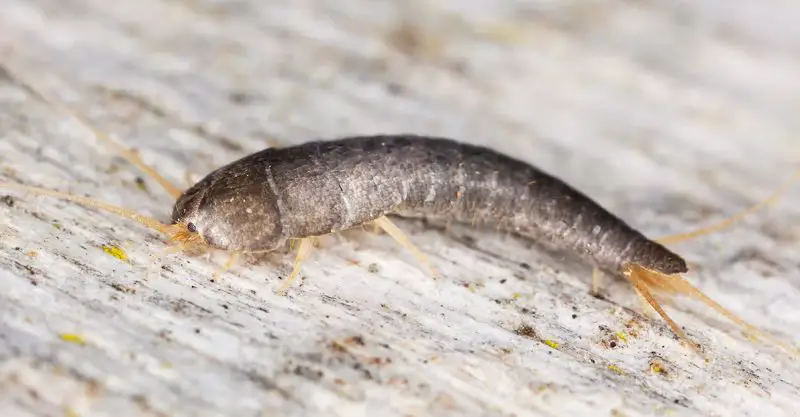
Small, fast, metallic looking insects appearing inside apartments can catch residents off guard. Many Illinois renters and homeowners have recently reported seeing more silverfish indoors, especially in bathrooms, kitchens, closets, and storage areas. These insects rarely bite or spread disease, yet their presence raises questions about cleanliness, moisture levels, and building conditions.
The reality is more environmental than hygienic. Silverfish thrive where humidity, warmth, shelter, and organic material combine. Illinois climate patterns, apartment construction trends, indoor heating habits, and subtle moisture sources all contribute to the increase. Understanding why they appear helps reduce unnecessary worry and makes prevention far more effective.
Rather than random invaders, silverfish usually signal environmental conditions that quietly developed over time. Recognizing those conditions allows residents to respond calmly and proactively.
Table of Contents
- 1 What Silverfish Actually Are
- 2 Illinois Climate Creates Ideal Indoor Conditions
- 3 Apartment Living Increases Habitat Opportunities
- 4 Humidity Is the Primary Driver
- 5 Paper, Books, and Storage Materials Attract Them
- 6 Nighttime Behavior Hides Infestations
- 7 Plumbing Leaks Often Go Unnoticed
- 8 Heating Systems Change Indoor Ecology
- 9 Ventilation Limitations in Apartments
- 10 Seasonal Patterns Influence Visibility
- 11 Their Life Cycle Supports Persistence
- 12 Clean Apartments Can Still Have Silverfish
- 13 Structural Gaps Provide Entry Points
- 14 The Role of Mold and Microbial Growth
- 15 Psychological Impact on Residents
- 16 Preventive Steps That Help
- 17 Apartment Management Plays a Role
- 18 Are Silverfish Dangerous
- 19 Long Term Outlook for Silverfish in Illinois
- 20 When Professional Help Makes Sense
- 21 FAQs About Silverfish in Illinois Apartments
- 21.1 Why are silverfish suddenly appearing in Illinois apartments
- 21.2 Are silverfish dangerous to people
- 21.3 Can clean apartments still have silverfish
- 21.4 Why do apartments get silverfish more than houses
- 21.5 What attracts silverfish indoors most
- 21.6 Do silverfish disappear on their own
- 21.7 Are silverfish worse in summer or winter
- 21.8 How can I prevent silverfish naturally
- 21.9 Should I call pest control for silverfish
- 21.10 Can silverfish spread between apartments
- 22 Final Thoughts
What Silverfish Actually Are
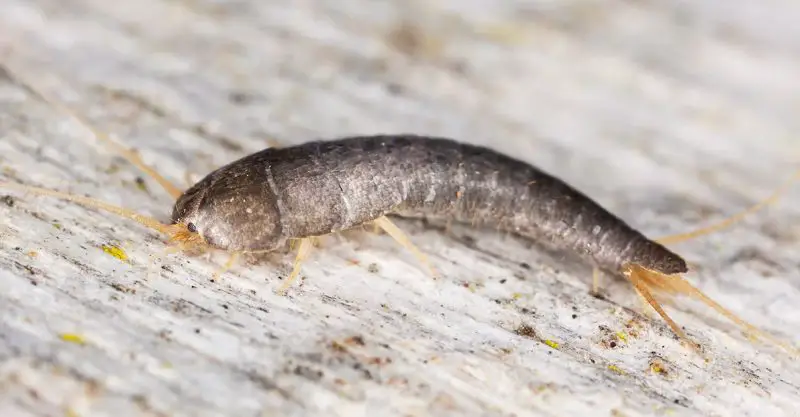
Silverfish are primitive, wingless insects belonging to the order Zygentoma, a group that has existed for hundreds of millions of years. Their distinctive appearance explains their name. They have silvery, metallic scales covering their bodies and move with a side-to-side, fish-like wriggle that makes them quick and surprisingly agile. Most adults measure about half an inch long, with long antennae at the front and three bristle-like appendages at the rear that help with balance and sensing their surroundings.
These insects prefer dark, humid environments and tend to be most active at night. During daylight hours, they hide in narrow cracks, baseboards, cabinet interiors, wall voids, bookcases, or behind appliances where light rarely reaches. Because of this secretive behavior, infestations often develop quietly before residents notice them. Seeing one silverfish usually means others are nearby but hidden.
Unlike many common household pests, silverfish are not drawn primarily to exposed food scraps. Their diet centers on carbohydrates and starches found in paper, book bindings, wallpaper glue, cardboard boxes, fabric fibers, skin flakes, and microscopic organic debris. This flexible diet allows them to survive even in very clean apartments. Their presence typically reflects environmental conditions such as humidity and shelter availability rather than sanitation problems.
Illinois Climate Creates Ideal Indoor Conditions
Illinois weather plays a major role in silverfish activity inside apartments. Summers frequently bring warmth and humidity that raise indoor moisture levels, particularly in buildings with limited airflow. Even well-maintained apartments can develop humid pockets in bathrooms, kitchens, closets, and laundry areas where moisture accumulates naturally.
Winter introduces a different dynamic. Cold outdoor temperatures lead residents to seal windows and rely heavily on indoor heating. Heating systems can reduce overall humidity, yet they often create localized condensation where warm indoor air meets cold surfaces such as exterior walls or windows. This condensation can produce microhabitats suitable for silverfish survival.
Together, these seasonal conditions create relatively stable indoor environments year round. Climate itself does not generate infestations, but it strongly supports the humidity and warmth silverfish require. Moisture remains the single most important environmental factor influencing their presence.
Apartment Living Increases Habitat Opportunities
Apartment buildings naturally provide conditions that benefit moisture-loving insects. Shared plumbing systems, interconnected wall cavities, consistent indoor temperatures, and limited ventilation all contribute to stable environments. Silverfish can move between units through hidden structural pathways without residents realizing it.
Common movement pathways include wall voids, plumbing penetrations, electrical conduits, ventilation ducts, and baseboard gaps. Because these connections exist throughout multi-unit buildings, one apartment’s moisture issue can indirectly affect neighboring units.
This means that even residents who maintain excellent indoor conditions may still encounter silverfish if nearby units experience humidity problems. Building structure often shapes pest patterns more strongly than individual housekeeping practices.
Humidity Is the Primary Driver
Silverfish depend on moisture for survival. High humidity helps maintain their hydration, supports egg development, and increases availability of the microscopic organic material they feed on. Bathrooms, kitchens, basements, laundry areas, and storage closets often maintain humidity levels high enough to sustain populations.
Typical indoor moisture sources include long hot showers, cooking steam, small plumbing leaks, indoor laundry drying, inadequate ventilation, and seasonal condensation. When humidity remains elevated for extended periods, silverfish populations can expand gradually without immediate detection.
Managing humidity through ventilation, leak repair, and airflow improvements remains one of the most effective long-term preventive strategies.
Paper, Books, and Storage Materials Attract Them
Silverfish have a particular attraction to starch-rich materials. Paper products, cardboard boxes, book bindings, wallpaper paste, and stored fabrics provide consistent food sources. Closets, storage rooms, and rarely used shelves often offer both food and shelter simultaneously.
In apartments where storage space may be limited, residents sometimes stack books, boxes, or clothing tightly together. These dense storage areas create dark, protected microhabitats that silverfish prefer. Over time, they may cause small holes, scraping damage, or yellowish stains on paper or textiles.
Their feeding behavior reflects adaptation for survival rather than destructive intent. Damage usually occurs slowly and may go unnoticed until inspected closely.
Nighttime Behavior Hides Infestations
Silverfish are primarily nocturnal. They emerge at night to forage when lights are off and human activity decreases. During the day they retreat into hidden spaces, which explains why infestations often go unnoticed initially.
Many residents first encounter them when turning on bathroom or kitchen lights late at night. This sudden visibility can create the impression of a recent invasion, even though favorable conditions may have existed for months.
Observation timing strongly influences perception. Their nocturnal habits allow populations to develop quietly.
Plumbing Leaks Often Go Unnoticed
Small plumbing leaks frequently contribute to silverfish presence. Slow drips beneath sinks, condensation on pipes, poorly sealed fixtures, or hidden wall leaks create persistent dampness. Because these areas are often out of sight, moisture can remain unnoticed for extended periods.
Apartment residents may depend on maintenance teams to address plumbing issues, and delays can allow moisture conditions to persist. Even minor leaks provide sufficient humidity for insects to survive.
Routine inspections, especially under sinks and around plumbing connections, help detect problems early.
Moisture rarely stays isolated once it develops.
Heating Systems Change Indoor Ecology
Illinois winters require significant indoor heating, which alters indoor environmental balance. Heating can reduce humidity overall but may also produce localized condensation where warm air meets cooler surfaces.
Exterior walls, windows, and poorly insulated areas often accumulate moisture during winter months. These microhabitats provide enough humidity for silverfish even when other parts of the apartment feel dry.
Seasonal heating patterns therefore influence indoor insect ecology. Environmental conditions shift throughout the year, sometimes unpredictably.
Ventilation Limitations in Apartments
Apartments often have less natural ventilation than detached homes. Smaller windows, shared ventilation systems, and limited cross-airflow allow humidity to linger longer. Bathrooms without strong exhaust fans or kitchens lacking adequate ventilation can maintain elevated moisture levels.
Improving airflow helps reduce humidity accumulation. Opening windows when possible, using exhaust fans consistently, and maintaining ventilation systems all contribute to prevention.
Air circulation plays a significant role in discouraging silverfish habitation.
Seasonal Patterns Influence Visibility
Silverfish activity tends to increase during warm, humid months when reproduction accelerates. Summer conditions often encourage greater movement and visibility indoors.
However, winter sightings remain common because indoor heating maintains warmth while condensation supplies moisture. Seasonal changes influence how noticeable infestations become rather than whether they exist.
Populations frequently persist year round under stable indoor conditions.
Their Life Cycle Supports Persistence
Silverfish reproduce gradually but steadily. Females lay small clusters of eggs in protected locations such as wall cracks, storage areas, or plumbing spaces. Eggs hatch into nymphs resembling smaller adults, and growth occurs slowly over several months.
Unlike many insects with short lifespans, silverfish can live several years under favorable conditions. This longevity allows populations to remain stable even with modest reproduction rates.
Removing breeding habitat remains essential for lasting control. Short-term treatments rarely eliminate them completely.
Clean Apartments Can Still Have Silverfish
A widespread misconception associates silverfish strictly with poor hygiene. In reality, they can thrive in very clean apartments as long as humidity, shelter, and food sources exist. Paper products, stored clothing, skin cells, and microscopic organic debris provide sufficient nutrition.
Environmental conditions matter far more than visible cleanliness. Understanding this helps residents avoid unnecessary embarrassment or concern about sanitation.
Silverfish often reflect building ecology rather than housekeeping quality.
Structural Gaps Provide Entry Points
Silverfish frequently enter apartments through small structural openings. Baseboard cracks, floor gaps, utility penetrations, door thresholds, and window frames all provide access points.
Because apartment units connect closely, insects often migrate internally rather than entering from outdoors. Sealing gaps reduces movement pathways and helps limit population spread.
Infrastructure maintenance plays an important preventive role.
The Role of Mold and Microbial Growth
Humidity encourages mold and microbial growth, which indirectly benefits silverfish by increasing organic material availability. Bathrooms, kitchens, closets, and poorly ventilated areas may develop microscopic fungal growth without visible signs.
Silverfish do not require visible mold, but environments supporting microbial growth tend to provide suitable conditions for their survival.
Controlling moisture helps prevent multiple indoor environmental issues simultaneously.
Psychological Impact on Residents
Seeing fast moving insects indoors can cause anxiety, particularly in spaces associated with cleanliness. Apartment residents may worry about sanitation, structural problems, or building maintenance issues.
Understanding silverfish biology usually reduces concern. They rarely pose health risks and generally indicate manageable environmental conditions.
Knowledge encourages calm, informed responses and improves overall comfort.
Preventive Steps That Help
Long-term prevention focuses on environmental management rather than aggressive chemical treatments. Reducing indoor humidity, repairing leaks promptly, improving ventilation, storing paper products in dry areas, sealing structural gaps, and inspecting hidden spaces regularly all help discourage silverfish.
Consistency is more effective than occasional deep cleaning. Preventive awareness supports lasting results.
Small adjustments can produce significant improvements.
Apartment Management Plays a Role
Building maintenance significantly influences pest activity. Plumbing upkeep, insulation quality, ventilation design, and prompt leak repairs benefit all residents. Communication between tenants and property managers helps identify building-wide moisture issues early.
Shared responsibility improves outcomes. Building ecology often affects individual units more than residents realize.
Are Silverfish Dangerous
Silverfish rarely present health risks. They do not bite, sting, or transmit disease under typical household conditions. Their primary impact involves minor damage to paper products, fabrics, or stored materials.
Emotional discomfort often outweighs physical risk. Understanding their harmless nature helps maintain perspective.
Balanced awareness reduces unnecessary fear.
Long Term Outlook for Silverfish in Illinois
Climate patterns, urban housing density, and indoor environmental habits suggest silverfish will remain common indoor insects in Illinois apartments. Population levels will likely fluctuate with humidity trends, building maintenance practices, and resident awareness.
Housing styles continue evolving, and environmental monitoring remains useful for anticipating pest patterns.
Adaptation is ongoing.
When Professional Help Makes Sense
If silverfish persist despite moisture control and preventive measures, professional evaluation may be beneficial. Pest specialists or building maintenance teams can identify hidden leaks, structural moisture issues, or insulation problems that residents may not detect.
Early intervention prevents prolonged frustration and protects property. Expert guidance complements household prevention efforts and often clarifies complex situations.
FAQs About Silverfish in Illinois Apartments
Why are silverfish suddenly appearing in Illinois apartments
They usually show up due to humidity, hidden moisture, warm indoor conditions, and access to paper or organic materials.
Are silverfish dangerous to people
No. They do not bite, sting, or spread disease, though they can damage paper, fabrics, or stored items.
Can clean apartments still have silverfish
Yes. Moisture, shelter, and starch-based materials matter more than visible cleanliness.
Why do apartments get silverfish more than houses
Shared walls, plumbing systems, and limited ventilation make apartments easier environments for them to spread.
What attracts silverfish indoors most
Humidity, paper products, glue, fabrics, and dark storage areas are their main attractants.
Do silverfish disappear on their own
Usually not. Moisture control, sealing entry points, and consistent maintenance help reduce populations.
Are silverfish worse in summer or winter
They often increase in humid summer months but can remain active indoors during winter due to heating and condensation.
How can I prevent silverfish naturally
Improve ventilation, reduce humidity, fix leaks quickly, store paper items dry, and seal cracks or gaps.
Should I call pest control for silverfish
If infestations persist despite prevention efforts, professional evaluation can identify hidden moisture sources.
Can silverfish spread between apartments
Yes. They can travel through wall voids, plumbing pathways, and structural gaps in multi-unit buildings.
Final Thoughts
Silverfish appearing in Illinois apartments more frequently usually reflect environmental conditions rather than sanitation problems. Humidity, climate patterns, apartment construction, indoor heating, and hidden moisture sources combine to create habitats where these insects can thrive.
Understanding their biology and behavior helps residents respond calmly. Most situations improve with consistent moisture control, better ventilation, structural maintenance, and awareness of storage conditions.
Rather than mysterious invaders, silverfish are often indicators of indoor environmental balance. With informed attention and practical preventive habits, Illinois apartment residents can maintain comfortable living spaces while minimizing persistent silverfish activity.