
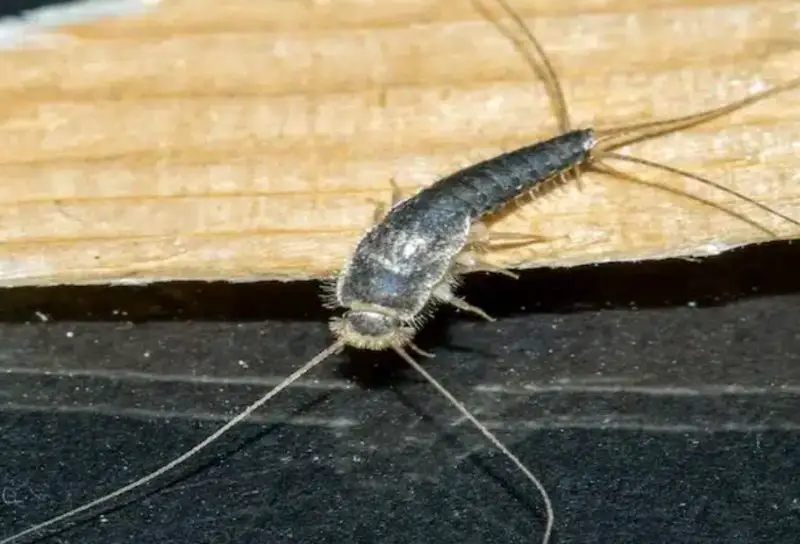
Michigan homes experience dramatic seasonal changes throughout the year. Winters can be long and cold, while summers often bring humidity and warm temperatures across the Great Lakes region. Inside homes, especially in bathrooms, these shifting conditions create small pockets of moisture that often go unnoticed.
In many Michigan houses, homeowners occasionally see a small silvery insect dart quickly across a bathroom floor late at night. It moves in a fast, wriggling motion before disappearing into a crack along the baseboard or beneath a cabinet.
The sight can be surprising because the insect appears suddenly and vanishes just as quickly.
What most Michigan residents don’t realize about bathroom silverfish is that these insects rarely live out in the open. The few that appear on bathroom floors are only brief glimpses of a hidden population living quietly inside walls, beneath floors, and behind plumbing fixtures.
Understanding why silverfish appear in bathrooms reveals how indoor environments can mimic the natural habitats these ancient insects evolved to occupy long before modern homes existed.
Table of Contents
- 1 The Ancient Insect Living in Modern Homes
- 2 Why Bathrooms Attract Silverfish
- 3 The Hidden Spaces Where Silverfish Live
- 4 What Silverfish Eat Inside Homes
- 5 Why Silverfish Appear Mostly at Night
- 6 Michigan’s Climate and Indoor Moisture
- 7 The Slow Life Cycle of Silverfish
- 8 Natural Predators Inside Michigan Homes
- 9 Why Silverfish Rarely Cause Major Damage
- 10 Why Silverfish Move So Quickly
- 11 Silverfish and Indoor Ecosystems
- 12 FAQs About Bathroom Silverfish
- 13 Final Thoughts
The Ancient Insect Living in Modern Homes
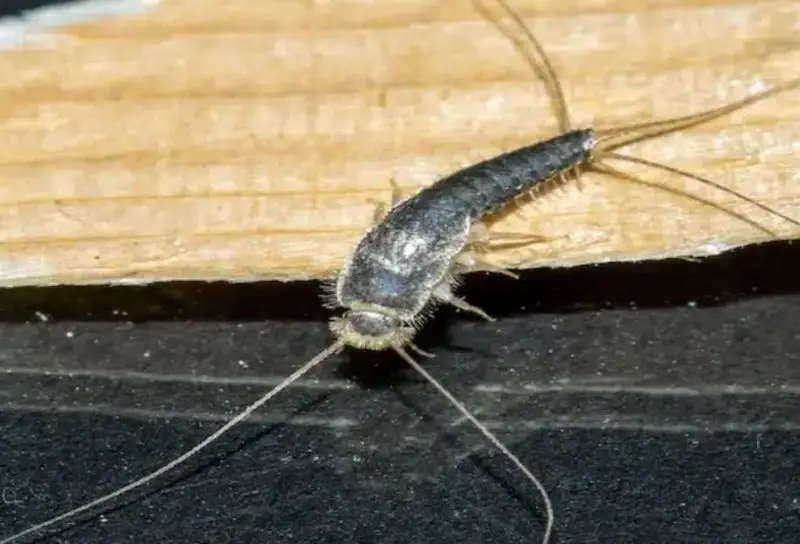
The insect most commonly found in bathrooms belongs to the species Silverfish. These insects are among the oldest insect groups still living today.
Silverfish have existed for hundreds of millions of years and have changed very little over time. Their body structure remains primitive compared with many modern insects.
They lack wings and possess long antennae that help them navigate dark environments.
Their bodies are covered in tiny scales that reflect light, giving them a metallic silver appearance. These scales also protect them from moisture loss and help them move easily through narrow spaces.
The insect’s body tapers toward the rear and ends in three thin appendages that resemble tails.
Silverfish move in a distinctive side-to-side motion that resembles the movement of a fish swimming through water. This unusual motion is what inspired their common name.
Despite their ancient appearance, silverfish have adapted extremely well to indoor environments where moisture and shelter remain available.
Why Bathrooms Attract Silverfish
Bathrooms provide one of the most suitable environments inside a home for silverfish survival.
The primary reason is humidity.
When someone takes a hot shower, steam fills the bathroom and moisture collects on mirrors, tiles, and walls. Even after the room cools, some humidity remains trapped in small spaces around sinks, plumbing fixtures, and cabinets.
Silverfish depend on moisture to survive.
Unlike many insects that drink water directly, silverfish absorb moisture through their bodies from the surrounding air.
Bathrooms therefore create ideal conditions where humidity levels remain higher than in most other rooms of the house.
Darkness also plays an important role.
Silverfish avoid bright light and prefer dark spaces where they can move freely without disturbance.
Behind baseboards, beneath cabinets, and inside wall cavities near plumbing lines, bathrooms offer exactly the type of sheltered habitat these insects prefer.
The Hidden Spaces Where Silverfish Live
Although homeowners occasionally see silverfish on bathroom floors, the insects spend most of their time hidden.
Small cracks along baseboards can lead into wall cavities where plumbing pipes run through the structure. These cavities often contain insulation and materials that trap moisture.
Silverfish frequently live within these hidden areas.
The insects may also hide beneath bathtubs where plumbing connections create warm and humid environments.
Loose tiles or gaps beneath flooring can provide additional shelter where silverfish remain undisturbed during the day.
From these hidden spaces, the insects emerge briefly at night to search for food.
Once they sense light or vibration, they quickly retreat back into their hiding places.
Because of this behavior, homeowners rarely observe their full population.
What Silverfish Eat Inside Homes
Silverfish possess unusual feeding habits compared with many other household insects.
They are attracted to substances containing starches and carbohydrates.
Inside bathrooms, this often includes soap residue, paper products, and natural fibers.
Silverfish may feed on microscopic organic debris that accumulates along baseboards or beneath cabinets.
They sometimes consume tiny particles of dead skin cells, hair, or mold growing in damp areas.
Paper products stored in bathrooms can also become food sources.
Toilet paper, cardboard packaging, and even wallpaper paste may contain starch-based compounds that silverfish can digest.
Because their diet includes such a wide range of materials, silverfish can survive in environments where food sources appear minimal.
Even small traces of organic material may support them for long periods.
Why Silverfish Appear Mostly at Night
Most silverfish activity occurs during nighttime hours.
These insects strongly avoid light.
During the day they remain hidden in cracks, behind fixtures, or beneath objects where darkness protects them from disturbance.
At night, when lights are off and human activity decreases, silverfish emerge to search for food.
This nocturnal behavior helps them avoid predators.
It also helps them remain in more humid conditions.
Nighttime air typically contains slightly higher humidity levels than daytime air, which benefits insects that rely on moisture.
For Michigan homeowners, this pattern explains why silverfish are usually seen only when someone enters the bathroom late at night and turns on the light unexpectedly.
The insect quickly darts across the floor before disappearing again.
Michigan’s Climate and Indoor Moisture
Michigan’s climate contributes to the presence of silverfish inside homes in several ways.
The state experiences significant humidity during summer months, particularly near the Great Lakes where moisture remains in the air.
When warm humid air enters homes, it can increase indoor humidity levels.
In winter, heating systems create warm indoor temperatures while plumbing pipes continue delivering water through bathrooms.
These temperature differences sometimes produce condensation near pipes or walls.
Small amounts of moisture may collect in hidden areas where silverfish can survive.
Older homes in Michigan may also contain wooden structures and insulation materials that retain humidity inside wall cavities.
Even small damp areas inside bathrooms can support silverfish populations over time.
The Slow Life Cycle of Silverfish
Silverfish reproduce more slowly than many other household insects.
Females deposit tiny eggs inside cracks or hidden crevices where they remain protected from light and disturbance.
After hatching, young silverfish resemble miniature versions of adults.
Unlike butterflies or beetles, silverfish do not undergo dramatic transformations between life stages.
Instead, they grow gradually through repeated molts.
Each time they shed their outer skin, their bodies increase slightly in size.
Silverfish may continue molting even after reaching adulthood.
Under favorable conditions they can live for several years, which is unusually long for such small insects.
This extended lifespan allows small populations to persist quietly inside homes without being noticed.
Natural Predators Inside Michigan Homes
Even inside buildings, silverfish face predators.
Spiders often capture them when they wander into webs built along ceilings or behind fixtures.
Certain beetles and house centipedes may also prey on small insects found in damp indoor environments.
House centipedes, in particular, hunt actively at night and feed on insects including silverfish.
These predators help limit silverfish populations naturally.
However, the insects’ ability to hide in extremely narrow cracks protects many of them from predators.
Because of this protection, small populations may continue living inside hidden areas of homes.
Why Silverfish Rarely Cause Major Damage
Although silverfish sometimes feed on paper products or fabrics, they rarely cause serious structural damage.
Most feeding occurs on small particles of organic material rather than large objects.
Occasionally silverfish may leave irregular holes in paper, cardboard, or wallpaper if these materials remain damp.
However, this damage usually develops slowly.
In most cases homeowners notice the insects themselves before seeing any significant damage.
Their presence usually indicates humidity conditions rather than a major infestation.
Understanding this relationship between moisture and silverfish explains why bathrooms remain their most common indoor habitat.
Why Silverfish Move So Quickly
One characteristic that surprises many homeowners is how fast silverfish can move.
Their flattened bodies and flexible joints allow them to slip easily through narrow spaces.
The side-to-side motion they use while running helps them maintain balance on smooth surfaces such as tile or porcelain.
Speed also protects them from predators.
If a silverfish senses vibration or sudden light, it reacts instantly by darting toward the nearest hiding place.
This rapid movement often makes the insect difficult to capture or inspect closely.
For homeowners, the quick movement contributes to the impression that the insect appeared and vanished instantly.
Silverfish and Indoor Ecosystems
Silverfish are part of a small ecosystem that develops inside many buildings.
Homes contain hidden spaces where microorganisms, insects, and spiders interact with each other.
Silverfish feed on organic debris that accumulates in these spaces, helping break down materials that might otherwise remain untouched.
Their presence also provides food for predators such as spiders and centipedes.
These relationships create miniature food webs inside buildings.
Although most homeowners never notice these processes occurring, they represent natural ecological interactions taking place within indoor environments.
Understanding this perspective helps explain why silverfish sometimes appear even in clean homes.
FAQs About Bathroom Silverfish
What are silverfish?
Silverfish are small wingless insects with silvery scales and fish-like movement patterns.
Why do silverfish appear in bathrooms?
Bathrooms provide humidity and darkness, which are ideal conditions for silverfish survival.
Are silverfish dangerous?
Silverfish are harmless to humans and do not bite or spread disease.
Why do silverfish move so quickly?
Their flexible bodies allow them to escape rapidly into cracks and hidden spaces.
Do silverfish live only in bathrooms?
No. They may also appear in basements, kitchens, or other humid areas of a home.
Final Thoughts
What most Michigan residents don’t realize about bathroom silverfish is that these ancient insects quietly adapt to the environments created inside modern homes.
Bathrooms provide humidity, warmth, and shelter that closely resemble the damp habitats silverfish evolved to inhabit long before human buildings existed.
Hidden behind walls, beneath flooring, and inside tiny crevices, silverfish continue their slow life cycle largely unnoticed.
When a homeowner occasionally spots one darting across the bathroom floor late at night, they are witnessing only a brief moment in the hidden world of insects living within indoor spaces.
Although their presence may seem surprising, silverfish represent a small but fascinating reminder that even modern homes contain miniature ecosystems shaped by moisture, temperature, and time.