
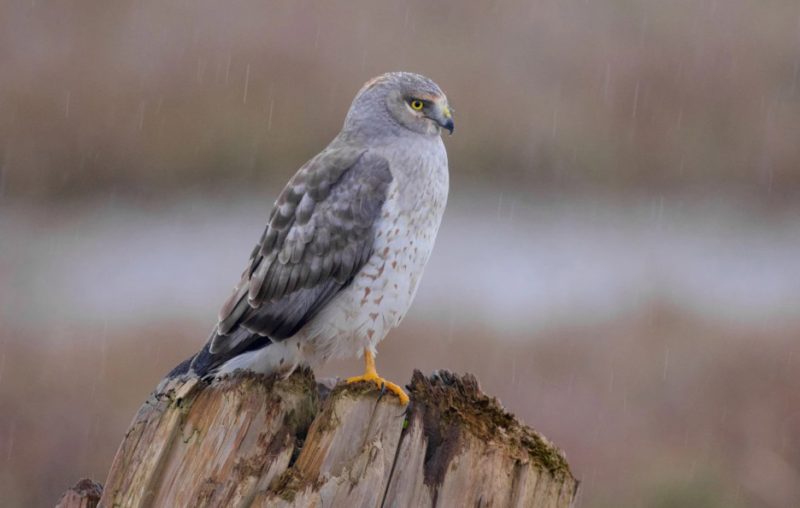
Idaho winter changes the landscape in a way birds must respect. Open fields frost over, marshlands freeze around the edges, and the wind sweeping across plains feels sharp and unforgiving. Yet, cutting through that winter air, a ghostlike raptor continues to glide low over frozen grasses — the Northern Harrier.
They don’t migrate as far south as many expect. Many stay, especially in southern and southwestern Idaho, relying on instinct, skill, and sharp senses to make winter work in their favor. Food becomes harder to find, prey behavior changes, and every successful hunt matters. Watching a Northern Harrier hunt in Idaho winter is watching survival in motion — precise, silent, determined.
This winter-focused guide takes a deep look at what Northern Harriers eat across Idaho in winter, how they hunt, how cold weather changes their diet, and how their winter feeding behavior shapes Idaho’s wild ecosystem.
Table of Contents
- 1 Winter Survival and Feeding Strategy of Northern Harriers in Idaho
- 2 Small Mammals – The Most Important Idaho Winter Food
- 3 Winter Birds – Opportunistic but Essential
- 4 Amphibians and Reptiles – Rare but Possible in Milder Idaho Winters
- 5 Carrion – Winter Reality and Survival Advantage
- 6 Do Northern Harriers Change Diet Based on Idaho Region?
- 7 How Northern Harriers Hunt in Winter Conditions
- 8 Why Their Winter Diet Matters to Idaho Ecosystems
- 9 FAQs About What Northern Harriers Eat in Idaho Winter
- 9.1 Do Northern Harriers stay in Idaho for winter?
- 9.2 What is their most important winter food?
- 9.3 Do they hunt birds in winter?
- 9.4 Do Northern Harriers scavenge?
- 9.5 Can they hunt through snow?
- 9.6 Do they eat insects in Idaho winter?
- 9.7 Are Northern Harriers important to Idaho’s ecosystem?
- 9.8 Where is the best place to see them in Idaho winter?
- 10 Final Thoughts
Winter Survival and Feeding Strategy of Northern Harriers in Idaho
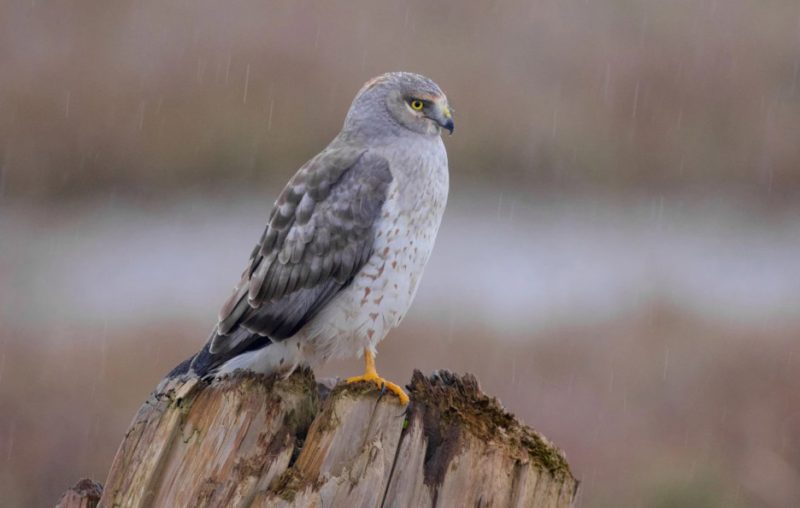
Northern Harriers are not power hunters like hawks, nor brute-force predators like eagles. Their hunting success relies on finesse, patience, and stealth. Idaho winter pushes those skills to the limit.
Instead of soaring high, they stay low — often just a few feet above the snow-dusted ground — gliding silently with wings held in a shallow V shape. Their disk-shaped facial feathers help funnel sound, allowing them to hunt not only with sight but with hearing. In winter, that becomes their superpower.
Cold weather reshapes prey availability. Some animals hibernate. Some move underground. Many change their habits entirely. But harriers adapt. They shift from insects and amphibians in warmer months to a heavier, protein-rich winter diet focused on mammals, winter birds, and whatever else remains active beneath Idaho’s frozen skies.
They patrol marshland edges, agricultural fields, sagebrush flats, and prairie valleys. They rely on movement, scent, and sound. When prey twitches under snow or scurries across exposed ground, a harrier reacts instantly. Winter does not slow them — it sharpens them.
Small Mammals – The Most Important Idaho Winter Food
If you were to rank winter food for Northern Harriers in Idaho, small mammals would sit firmly at the top of the list. When snow settles, rodents become both challenge and necessity. Fortunately, Idaho’s landscapes still provide life beneath the frost.
Northern Harriers heavily target:
• voles
• mice
• shrews
• young rats
• pocket gophers
Voles may be the single most important winter prey source. Idaho fields and meadows support strong vole populations that remain active even in winter. Though snow covers the surface, voles keep moving through shallow tunnels beneath, leaving just enough sound and disturbance for a harrier to detect.
Harriers listen. They hover slightly. Then they drop sharply.
Claws hit snow. Silence breaks. Survival continues.
These protein-rich mammals provide warmth, energy, and essential nutrients to endure long cold nights. Without rodents, winter survival in Idaho would be much tougher for harriers.
Winter Birds – Opportunistic but Essential
Not every meal in Idaho winter hides underground. Birds remain active year-round, meaning harriers always have another potential target moving across the landscape. Winter birds are quicker, sharper, and wary — but a hungry harrier is patient.
Common winter bird prey may include:
• sparrows
• starlings
• blackbirds (especially lingering flocks)
• small gamebirds in certain regions
• weakened or injured birds
Hunting winter birds requires timing. Harriers patrol the edges of fields where flocks forage. They strike during windy conditions or sudden weather dips when reaction times slow. They also take advantage of birds trapped in storm conditions or pushed low by wind.
They do not always chase aggressively like falcons. Instead, they surprise. Silence stays their biggest weapon.
This part of their winter diet helps maintain energy variety. When rodents are scarce or snow crust thickens, birds become the perfect alternative.
Amphibians and Reptiles – Rare but Possible in Milder Idaho Winters
Much of Idaho winter seems too harsh for reptiles and amphibians, and in many regions it is. However, Idaho is diverse. Some southern and low-elevation locations experience milder stretches, temporary thaws, or periods when ground moisture frees up.
During these windows, Northern Harriers may opportunistically take:
• small frogs
• sluggish amphibians
• exposed lizards during warmer breaks
These meals are rare in winter compared to spring, but they matter when available. Cold temperatures slow amphibian reflexes. That makes them easy targets when found. But for the most part, Idaho’s winter conditions push harriers toward mammals and birds instead.
Carrion – Winter Reality and Survival Advantage
Winter hunting is demanding. Energy must balance effort. Sometimes the smartest survival move is not to hunt at all — it’s to scavenge. Northern Harriers are not too proud to do it.
Carrion becomes a valuable winter food source, especially:
• road-killed animals
• remains from foxes, coyotes, or raptors
• frozen field carcasses
• livestock scraps in agricultural areas
In harsh Idaho winter stretches, carrion means guaranteed calories with minimal risk. Harriers share similar opportunistic habits to rough-legged hawks during winter. If something edible exists, it matters.
This scavenging role also helps Idaho ecosystems. Nothing in nature is wasted. Winter cleanup is part of balance.
Do Northern Harriers Change Diet Based on Idaho Region?
Absolutely. Idaho is not one single winter. It is many. Each region shapes winter diet differently.
Northern Idaho
Colder, longer winters, more snow buildup, and deeper freezing push harriers to focus heavily on rodents beneath snow and carrion when needed. Birds may become secondary prey.
Southern Idaho
Milder winters, open fields, and strong agricultural landscapes mean more small mammals remain active. Winter birds remain accessible. Diet variety is wider here.
Eastern and Central Idaho
Wide open prairies and windswept valleys create tough hunting conditions, but rodent populations still support survival. Harriers key into agricultural edge habitats and wetland fringe areas.
No matter the region, Northern Harriers do one thing consistently in Idaho winter — adapt.
How Northern Harriers Hunt in Winter Conditions
Winter hunting is never just instinct; it’s skill developed over time. Northern Harriers use a hunting method almost unique among North American raptors.
They rely on:
• low gliding flight close to ground
• sound sensitivity to detect prey beneath snow
• rapid vertical drops
• hovering pauses before strikes
• surprise tactics instead of brute force
Their owl-like hearing gives them an advantage when prey disappears visually under snow crust. Their slim body and flexible wings allow precise maneuvering even in cold Idaho crosswinds.
Winter makes every mistake costly. Harriers rarely make mistakes.
Why Their Winter Diet Matters to Idaho Ecosystems
Every winter meal connects to Idaho’s broader wildlife balance. When Northern Harriers hunt rodents, they help stabilize population booms that could otherwise overwhelm farmland and grasslands. When they hunt birds, they maintain natural predator-prey dynamics. When they scavenge, they reduce waste and help cycle nutrients back into the ecosystem.
They are not just winter survivors.
They are winter regulators.
Their winter feeding shapes fields, marshlands, farmlands, and wild valleys — quietly, consistently, every cold day.
FAQs About What Northern Harriers Eat in Idaho Winter
Do Northern Harriers stay in Idaho for winter?
Many do, especially in areas with open fields, marshes, and milder winter pockets. Some move slightly south, but Idaho maintains steady winter populations.
What is their most important winter food?
Small mammals — especially voles and mice. Without rodents, winter survival would be much harder.
Do they hunt birds in winter?
Yes. They take small songbirds, starlings, and occasionally weakened or slow gamebirds when opportunities arise.
Do Northern Harriers scavenge?
Yes. Winter pushes them to take advantage of carrion when hunting conditions are difficult.
Can they hunt through snow?
They often detect prey moving under thin snow layers using sound. When snow becomes too thick or icy, hunting becomes harder.
Do they eat insects in Idaho winter?
Rarely. Most insects vanish in winter. Their diet shifts almost entirely to meat-based prey.
Are Northern Harriers important to Idaho’s ecosystem?
Very. They control rodent populations, balance bird communities, and help clean carrion during winter.
Where is the best place to see them in Idaho winter?
Look for them gliding low over open fields, marshlands, agricultural edges, and prairie habitats.
Final Thoughts
Idaho winter is not gentle, but Northern Harriers meet it with grace and precision. They glide over frozen fields with purpose, listen beneath snow for movement, and seize every opportunity winter offers. Their diet is not only about survival — it is a story of adaptation, intelligence, and ecological connection.
From small mammals to winter birds, from rare amphibian chances to scavenged remains, every meal matters. Every meal keeps them in the sky. Every meal reminds us how resilient wildlife truly is when the world turns cold.
If you see a Northern Harrier drifting low across an Idaho winter field, pause for a moment. You’re watching one of winter’s quiet predators at work — surviving, shaping nature, and proving that even in the coldest season, life finds a way.