
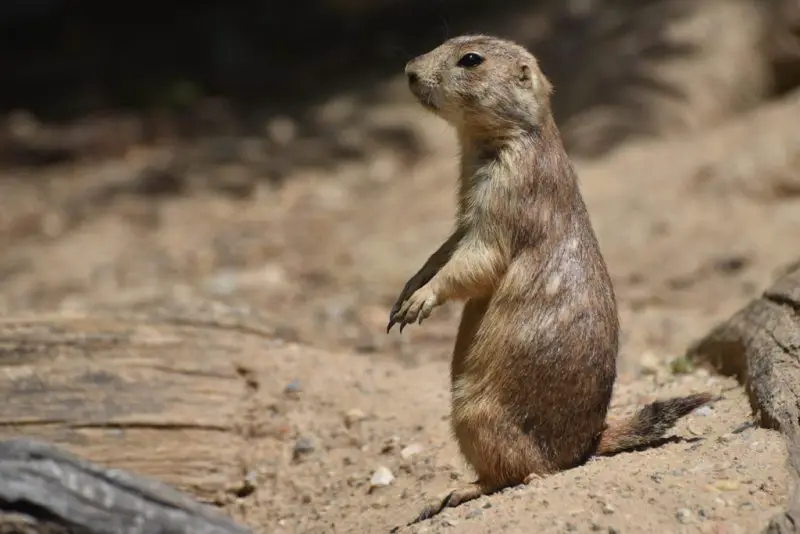
Montana’s wide-open prairies feel timeless. Wind brushes over endless grass. Hawks circle silently above. Hidden beneath that peaceful surface, however, life is constantly moving. Small prairie rodents are busy tunneling, grazing, building colonies, escaping predators, and quietly shaping entire ecosystems while most people barely notice them. Their lives are dramatic, social, intelligent, and surprisingly complex.
These tiny mammals may look simple at first glance, but their behavior tells a much deeper story. They communicate with intricate warning calls. They engineer underground cities. They influence soil fertility, plant diversity, and even the hunting patterns of Montana’s raptors, foxes, coyotes, and snakes. Remove them and the prairie doesn’t just look different — it functions differently.
This detailed guide takes you inside the hidden world of Montana prairie rodents. From prairie dogs to pocket gophers, voles, mice, and ground squirrels, you will see how they survive harsh winters, navigate predator-filled landscapes, raise young in tight social systems, and quietly hold Montana’s grasslands together.
Table of Contents
- 1 Prairie Rodents of Montana
- 2 How They Survive Harsh Montana Seasons
- 3 Communication and Social Behaviors
- 4 Diet and Role in the Ecosystem
- 5 Threats and Human Conflict
- 6 FAQs about Montana Prairie Rodents
- 6.1 Are prairie rodents dangerous to humans?
- 6.2 Do prairie dogs really build “towns”?
- 6.3 Why are they important to Montana’s environment?
- 6.4 Do they hibernate?
- 6.5 Are they protected in Montana?
- 6.6 Why do prairie dogs make barking sounds?
- 6.7 Do pocket gophers ever come above ground?
- 6.8 Are prairie rodents the same as pests?
- 7 Final Thoughts
Prairie Rodents of Montana
Montana’s prairies are primarily home to five important rodent groups. Each plays its own unique role in maintaining balance in the ecosystem.
Black-tailed Prairie Dogs
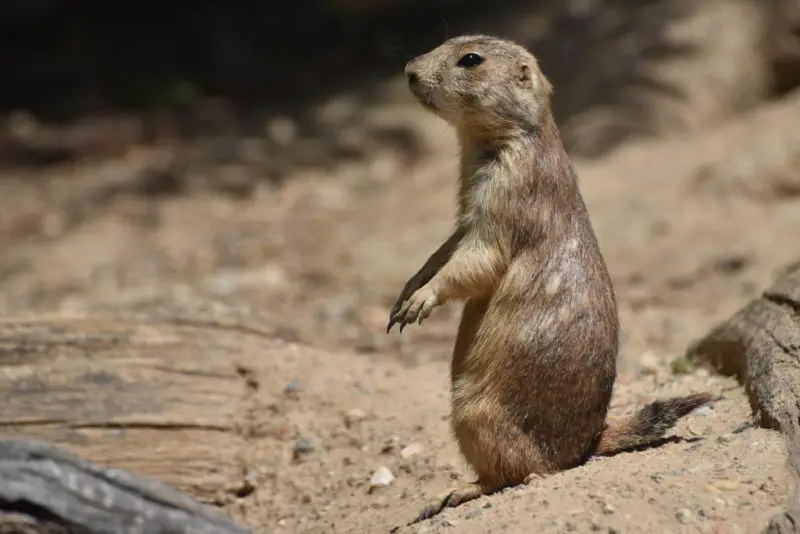
Black-tailed prairie dogs are probably the most iconic prairie rodents in Montana. They live in large colonies, often described as “towns,” where hundreds of individuals share interconnected burrow systems. These burrows have chambers, ventilation shafts, nurseries, and escape exits. Above ground, prairie dogs spend time grazing, standing upright to scan for danger, and barking sharp warning calls when predators are near.
Their colonies are highly social. Individuals groom each other, communicate constantly, and live in tight family units known as coteries. These rodents are ecosystem engineers. By digging, they aerate soil, help water penetrate deeper, and create habitats for animals like burrowing owls, snakes, insects, and even certain plants that thrive in disturbed ground.
Prairie dogs also serve as prey for numerous predators including coyotes, golden eagles, badgers, and hawks. Their population directly affects predator success, which makes them a crucial foundation species.
Richardson’s Ground Squirrels
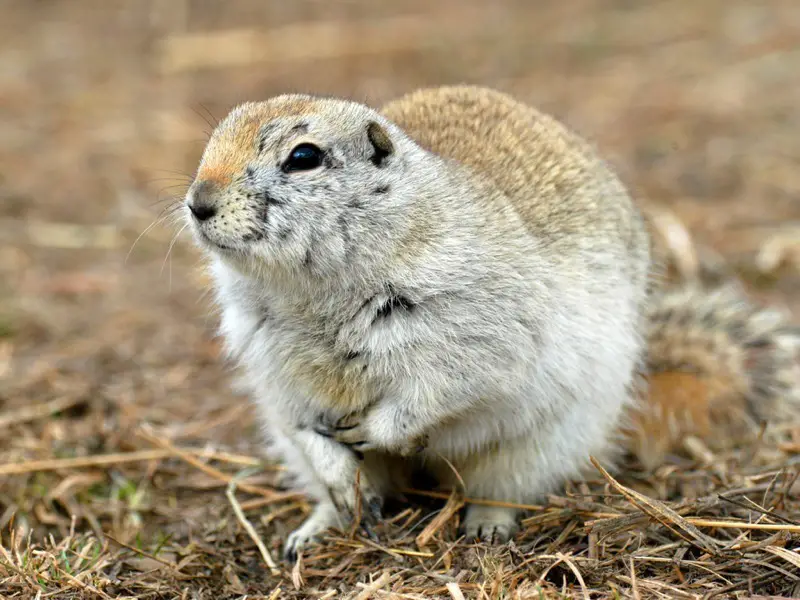
Richardson’s ground squirrels are common throughout Montana grasslands. Unlike prairie dogs, they don’t live in huge cities but form dense colonies where each squirrel maintains its own burrow. They are active mainly in warmer months and spend much of their day feeding, sunning, and watching for danger.
Their diet is primarily herbivorous, focusing on grasses, seeds, and leaves. They communicate through whistles and short alarm calls. When a predator approaches, these signals warn the entire colony. Once summer ends and temperatures begin to drop, Richardson’s ground squirrels enter hibernation and can remain underground for months.
They also serve as essential prey for hawks, foxes, coyotes, and weasels. In agricultural settings, farmers sometimes see them as pests, but ecologically, they maintain soil health and provide consistent prey for Montana’s carnivores.
Meadow Voles
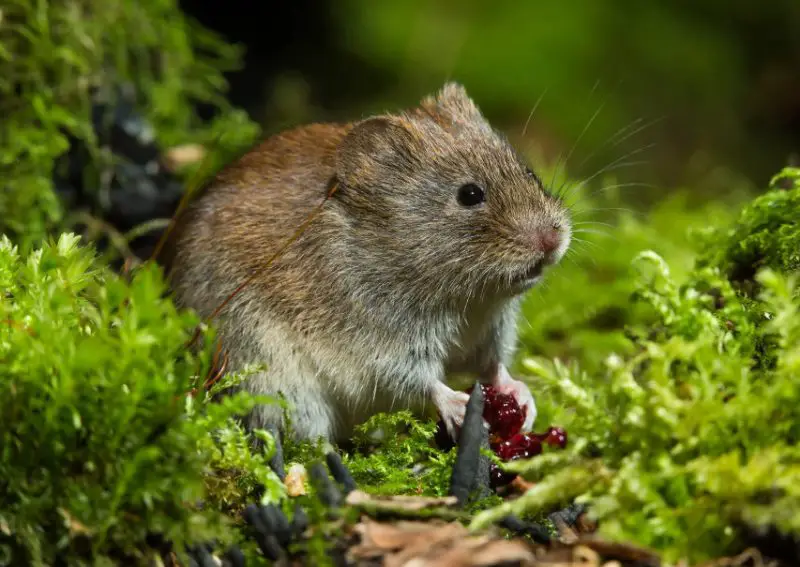
Meadow voles are small, round-bodied rodents that live primarily in grassy areas. They do not create large mounds or obvious burrows like prairie dogs or gophers. Instead, they build narrow runways through grass and shallow burrow networks. Their reproductive rate is famously high, allowing populations to grow quickly in good conditions.
They primarily feed on grasses, roots, seeds, and bark. Their nibbling can significantly influence plant communities, often shaping which grasses dominate a prairie area. Many predators rely on voles as a steady and abundant food source. Owls, hawks, foxes, and snakes frequently hunt them, especially in winter when their tracks are easier to locate in snow.
Even though they seem small and insignificant, meadow voles are a core energy transfer point in Montana’s prairie food web, moving plant energy into the bodies of predators that define prairie wildlife.
Pocket Gophers
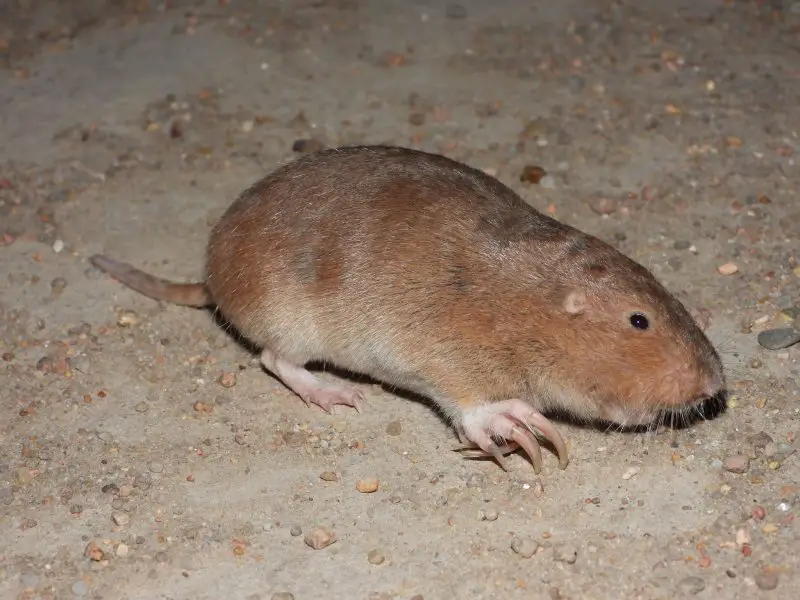
Pocket gophers live almost entirely underground, rarely appearing above the surface. Their strong front claws and large teeth help them dig intricate tunnel systems. These rodents have fur-lined cheek pouches used to carry food back to underground storage chambers — which is why they are called “pocket” gophers.
They feed on roots, bulbs, and underground plant parts. As they dig, pocket gophers mix soil layers, improve soil structure, and help nutrients circulate. Their mounds may seem bothersome to landowners, but ecologists view them as powerful natural tillers. Many prairie plants benefit from the soil turnover gophers create.
Predators such as badgers specialize in digging them out. Snakes also take advantage of their tunnels when possible. Though solitary and rarely seen, pocket gophers quietly shape Montana’s prairie beneath the surface.
Deer Mice and Other Small Mice
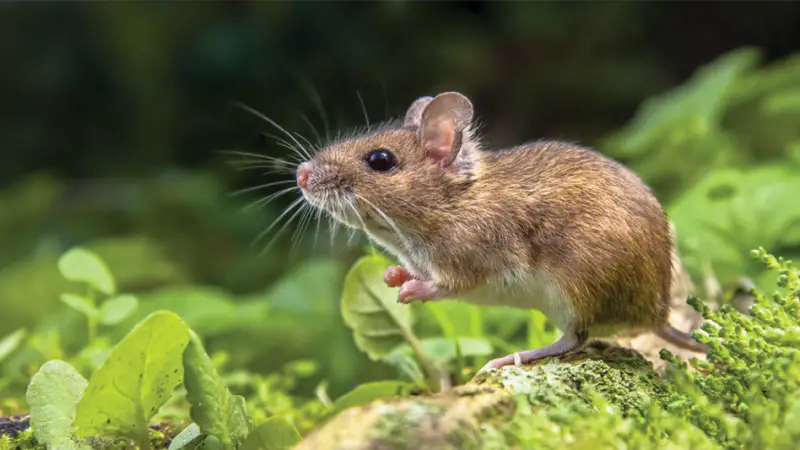
Deer mice, grasshopper mice, and several other small mouse species live in Montana’s prairies. These rodents are highly adaptable, capable of surviving in open prairie fields, brushy areas, and near human settlements. Their diets include seeds, insects, grains, and occasionally small invertebrates.
They typically nest in burrows, under logs, or inside abandoned prairie dog tunnels. Their reproduction is rapid, allowing populations to recover quickly after harsh winters or heavy predation. Many predators depend on mice as a basic food source, especially owls, coyotes, foxes, badgers, and snakes.
Though small, these mice help disperse seeds, consume insects, and support countless prairie predators, reinforcing the delicate balance of life on Montana grasslands.
How They Survive Harsh Montana Seasons
Montana’s prairie climate is not easy to survive. Long winters, heavy snow, extreme winds, and short growing seasons challenge every living creature. Prairie rodents have evolved strategies perfectly tuned to these conditions.
Summer: A Season of Activity
Summer is the busiest time of year. Food is abundant, young are born and raised, and rodents remain above ground more frequently. Prairie dogs and ground squirrels spend their days feeding, socializing, reinforcing burrows, and teaching young animals how to recognize danger.
Voles and mice thrive in tall grasses, using cover to hide from predators. However, summer is also the season of greatest risk. Raptors fill the skies, and land predators roam widely. Constant vigilance is necessary, and rodents depend heavily on alarm calls, quick reflexes, and escape tunnels.
Fall: Preparation and Fat Storage
As autumn arrives, behavior shifts toward preparation. Ground squirrels begin to increase food intake to build fat reserves for hibernation. Pocket gophers gather roots and vegetation into storage chambers underground. Prairie dog colonies strengthen burrows, ensuring tunnels remain intact through winter freezing and drifting snow.
Food availability starts to decline, so efficient foraging becomes critical. Many rodents reduce above-ground time to avoid predators during this vulnerable transition period.
Winter: Underground Survival
Winter is the most challenging season. Some rodents hibernate deeply, such as Richardson’s ground squirrels, slowing body processes dramatically to conserve energy. Others remain active underground but rarely emerge. Pocket gophers continue tunneling beneath frost lines, feeding on stored vegetation and roots.
Meadow voles stay surprisingly active in subnivean (under-snow) spaces. The snow creates an insulating layer, trapping body heat and forming hidden tunnels. Predators like foxes and owls learn to listen for movement beneath snow, showing how every winter sound matters in survival.
Spring: Rebirth and Renewal
When spring arrives, the prairie suddenly wakes up. Hibernators emerge thin but alive. Prairie dogs resume constant surface life. Grasses grow quickly, and reproduction begins again. This seasonal renewal ensures prairie rodent populations recover, restarting the cycle of life that supports Montana’s entire prairie ecosystem.
Communication and Social Behaviors
Communication is critical for survival, community structure, and coordination. Prairie rodents do not live silent lives. Their communication systems are surprisingly sophisticated.
Alarm Calls and Warnings
Prairie dogs are famous for their complex alarm calls. Research suggests their calls can include specific information such as predator type, direction, and level of threat. A hawk overhead triggers a different call than a coyote on the ground. These alerts travel quickly through colonies, giving individuals precious seconds to escape.
Ground squirrels use high-pitched whistles. Voles communicate through scent markings and quiet vocalizations. Even mice create ultrasonic sounds humans cannot hear. Each communication strategy fits their lifestyle, habitat, and social structure.
Social Relationships
Prairie dogs maintain strong family bonds. Individuals greet each other with behaviors that look almost like kissing, allowing them to recognize group members. Grooming strengthens relationships and helps maintain hygiene.
Ground squirrels have looser social structures, but they still rely on neighbors for collective predator detection. Voles and mice tend to have smaller family groups, but interactions are frequent, especially during breeding seasons.
These relationships are not just emotional connections — they’re survival tools. The stronger the colony relationships, the greater the chance of spotting predators early, defending burrows, and protecting young.
Diet and Role in the Ecosystem
Montana prairie rodents act as both consumers and creators. Their diets and daily activities shape landscapes in visible and invisible ways.
What They Eat
Most prairie rodents are primarily herbivores. Prairie dogs graze constantly on grasses and forbs, controlling plant growth and stimulating fresh plant shoots. Ground squirrels also rely on vegetation but occasionally consume insects. Voles love grasses, roots, seeds, and bark, while pocket gophers focus heavily on underground plant parts.
Mice are more omnivorous. They eat seeds, grains, fruits, beetles, caterpillars, and other invertebrates. This dietary flexibility helps them survive fluctuating conditions.
Ecological Engineers
Prairie rodents influence soil, vegetation, and wildlife communities. Their burrowing activities improve soil aeration, water absorption, and nutrient cycling. Their grazing shapes plant composition, preventing certain plants from becoming too dominant.
Their tunnels provide homes for insects, reptiles, amphibians, and birds such as burrowing owls. Countless predators rely on them for food, meaning every hawk soaring over Montana prairies owes part of its survival to these rodents.
Threats and Human Conflict
While ecologically important, prairie rodents often face conflict with humans. Ranchers sometimes dislike prairie dog colonies eating grass intended for livestock. Pocket gopher mounds can affect hay fields. Ground squirrels may be viewed as agricultural pests.
Habitat loss and disease also threaten populations. Plague outbreaks occasionally occur in prairie dog colonies, wiping out entire towns. Urban expansion and land conversion reduce open grassland habitat.
However, modern wildlife management increasingly recognizes their ecological value. Many conservation programs now focus on balancing agricultural needs with the preservation of prairie rodent populations. The goal is not elimination, but coexistence.
FAQs about Montana Prairie Rodents
Are prairie rodents dangerous to humans?
Generally, no. They avoid human contact and prefer to remain hidden or underground. However, like any wild animal, they should not be handled, and observing from a distance is always safest.
Do prairie dogs really build “towns”?
Yes. Prairie dog colonies can be massive, consisting of hundreds of individuals living in interconnected burrows with specific chambers and entrances.
Why are they important to Montana’s environment?
They maintain soil health, spread seeds, provide prey for predators, and create habitats for other wildlife. Many prairie species depend on them either directly or indirectly.
Do they hibernate?
Some do. Richardson’s ground squirrels hibernate deeply. Prairie dogs reduce winter activity but may not fully hibernate. Voles remain active beneath snow, while pocket gophers continue underground life year-round.
Are they protected in Montana?
Protection depends on species and location. Some populations receive conservation attention due to ecological significance, while others are managed to reduce agricultural conflicts.
Why do prairie dogs make barking sounds?
Those sounds are alarm calls. They warn colony members of danger and sometimes communicate specific information about the threat.
Do pocket gophers ever come above ground?
Rarely. They spend most of their lives underground and only occasionally surface, usually at night or during brief movements.
Are prairie rodents the same as pests?
They may be labeled as pests in agricultural contexts, but ecologically they are essential species that maintain prairie balance.
Final Thoughts
Montana’s prairie may look peaceful and empty from a distance, but beneath the grass and soil lives a world full of motion, intelligence, cooperation, and resilience. Prairie rodents are more than small animals — they are engineers, community builders, essential prey, soil creators, and quiet guardians of the grasslands.
Their lives are constant stories of survival. They face predators daily, endure brutal winters, raise young in dangerous environments, and continue shaping the land in ways many people never see. Understanding their importance helps us appreciate Montana’s prairie not just as scenery, but as a living, interconnected ecosystem.
The next time you see a prairie dog stand upright, a hawk scanning a field, or mysterious soil mounds on open land, remember that these tiny mammals are working tirelessly beneath your feet. Their interesting, hidden lives are part of what keeps Montana’s wild prairie truly alive.