
Florida is known for sunshine, beaches, alligators, snakes, and incredible wildlife, but one creature quietly lives in the shadows, under rocks, in woodpiles, around homes, and sometimes even inside them. The Florida bark scorpion has a reputation that makes many people nervous. Anytime someone hears the word “scorpion,” thoughts of painful stings, swelling, and danger usually follow. But how dangerous are Florida bark scorpions really? Are they something to fear, or do they simply get misunderstood like many other Florida creatures?
Living in Florida means sharing space with nature. Scorpions are part of that reality. For many homeowners, the first time they see one is usually a surprise. You move something in the yard, pick up a piece of wood, step into the garage at night, or flip on a bathroom light and there it is—a small, sneaky, slightly intimidating creature with pincers and a curved stinger. At that moment, the question becomes very real: what am I dealing with, and is it dangerous?
After years of learning about Florida wildlife, hearing real stories from residents, and understanding how these scorpions live, behavior becomes much clearer. Florida bark scorpions are not monsters lurking to attack humans. They are survival-driven, cautious, and far more interested in avoiding us than harming us. Still, like many wild creatures, they deserve respect, awareness, and understanding.
This guide takes you deep into who they are, how dangerous they truly can be, what to do if you are stung, and how to reduce unwanted encounters in Florida homes.
Table of Contents
- 1 What Exactly Is the Florida Bark Scorpion?
- 2 Where Do Florida Bark Scorpions Live?
- 3 How Dangerous Are Florida Bark Scorpions Really?
- 4 What Does a Florida Bark Scorpion Sting Feel Like?
- 5 What To Do If You Are Stung by a Florida Bark Scorpion
- 6 How Often Do Florida Bark Scorpions Sting People?
- 7 Do Florida Bark Scorpions Pose a Risk to Pets?
- 8 Why Do Scorpions Come Into Florida Homes?
- 9 How To Reduce Florida Bark Scorpion Encounters
- 10 Interesting Florida Bark Scorpion Behavior
- 11 Separating Myth From Reality
- 12 When Should Florida Residents Worry?
- 13 FAQs About Florida Bark Scorpions
- 14 Final Thoughts
What Exactly Is the Florida Bark Scorpion?
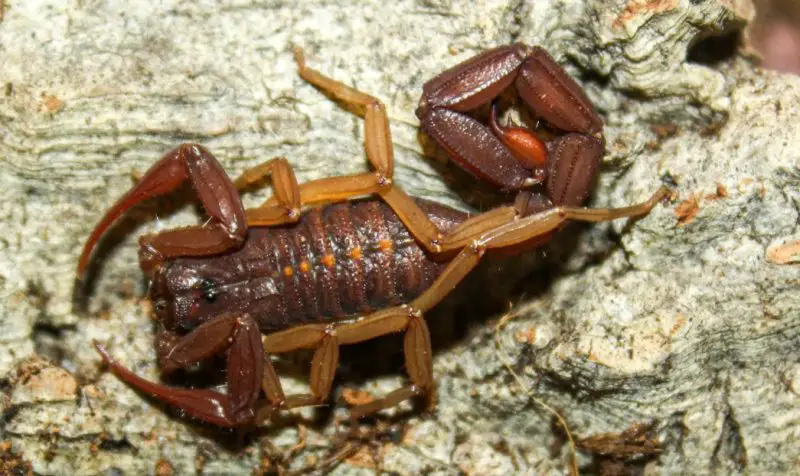
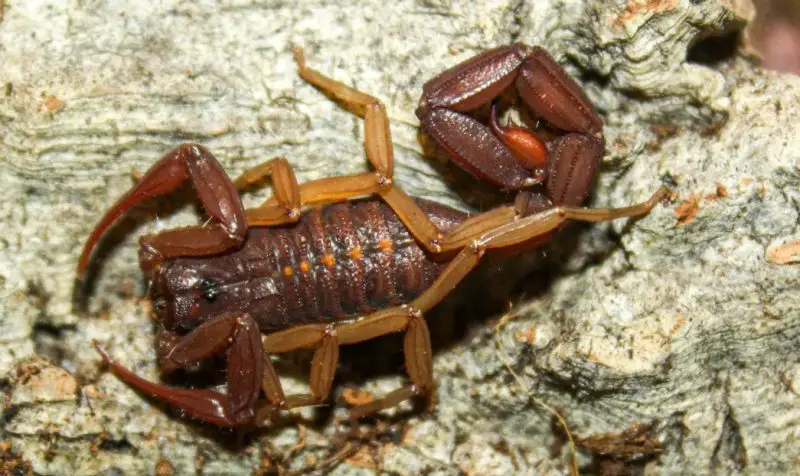
The Florida bark scorpion (Centruroides gracilis) is one of the largest scorpion species native to the state. It is typically tan to dark brown, often with slightly lighter or darker markings. It has two pincers in front, eight legs, and a curled tail with a venomous stinger at the end. Adults usually measure around three to five inches long, making them fairly noticeable compared to smaller species.
They get their name from their natural behavior. Bark scorpions often hide under tree bark, logs, rocks, and other tight spaces. They love dark, cool, sheltered places where they can avoid predators and conserve moisture. Florida’s humid climate suits them perfectly, and as development grows, many scorpions adapt to living near people. Garages, sheds, crawl spaces, firewood stacks, landscaping stones, and cluttered outdoor areas make great hiding spots.
Florida bark scorpions are nocturnal. During the day they rest, and at night they come out quietly to hunt insects, spiders, and other small invertebrates. This helps control pest populations, making them more helpful than most people realize. They are not aggressive by nature. If a scorpion stings a person, it almost always happens because it was touched, stepped on, trapped in clothing, or startled.
Where Do Florida Bark Scorpions Live?
Florida bark scorpions are mainly found in Central and South Florida but can occasionally appear in other regions. They thrive in warm environments, so they are more common in tropical and subtropical areas. Forested zones, palm-filled neighborhoods, rural areas, and even city suburbs provide good habitat as long as there is moisture, cover, and food.
Outdoors, they hide:
• under rocks and bricks
• around landscaping timbers
• inside piles of leaves or debris
• in woodpiles
• under palm fronds
• between boards or stacked materials
Indoors, they may appear:
• in bathrooms
• laundry rooms
• basements
• closets
• under furniture
• near doorways or windows
They often enter homes looking for water, food, or shelter. Cracks, gaps, torn screens, and poorly sealed entry points allow them to slip inside easily. Because they are flat-bodied, they can squeeze through surprisingly small spaces.
How Dangerous Are Florida Bark Scorpions Really?
Here is the honest truth most people want to know. Florida bark scorpion stings are painful and unpleasant. However, for most healthy adults, they are not life-threatening. Their venom is medically significant in some situations, but the vast majority of stings cause localized pain, swelling, tingling, and discomfort that eventually passes.
That said, they are considered the most medically relevant scorpion species in Florida. Their sting is stronger than other local scorpion species like the striped bark scorpion or Hentz striped scorpion. Pain can be intense. Some people experience burning sensations, numbness spreading up the limb, or muscle twitching near the sting site. Children, elderly individuals, and people with health conditions may react more strongly.
Severe medical complications are rare in Florida, but caution matters. Unlike the Arizona bark scorpion which has a reputation for dangerous systemic reactions, the Florida bark scorpion’s sting usually remains manageable with proper treatment. Still, it is never something to ignore casually.
So are they deadly? In normal circumstances, no. Are they something to respect? Absolutely.
What Does a Florida Bark Scorpion Sting Feel Like?
Most people describe the sting as sharp, burning, and immediately painful. It often feels worse than a bee sting for many individuals. Pain may peak within minutes and then linger for hours. Common symptoms include:
• sharp, stabbing pain
• burning sensation
• localized redness or swelling
• tingling or numbness near the sting
• throbbing discomfort
Some people also report sweating near the sting site, temporary sensitivity to touch, or muscle twitching. Usually, symptoms last from a few hours to a few days depending on the person and sting intensity.
Severe reactions are far less common but can include:
• intense muscle spasms
• vomiting
• breathing difficulty
• widespread numbness
• severe swelling
• rapid heart rate
Children can react more dramatically because of smaller body size. Anyone experiencing severe symptoms needs medical care immediately.
What To Do If You Are Stung by a Florida Bark Scorpion
Stings can be scary, especially when unexpected. Staying calm is important. Here is what to do if a Florida bark scorpion stings you.
First, wash the area gently with soap and water to prevent infection. Keep the sting site clean. Apply a cold compress or wrapped ice pack to reduce swelling and numb discomfort. Over-the-counter pain relief medication may help if advised by a healthcare professional.
Avoid cutting, squeezing, burning, or trying to “suck out” venom. These myths cause more harm than good.
Seek medical care immediately if:
• the person stung is a child
• symptoms worsen rapidly
• breathing difficulty occurs
• swelling spreads dramatically
• the person feels faint or confused
• there is a known allergy to insect venom or toxins
If possible, do not attempt to grab or kill the scorpion immediately. However, if it is safe, taking a photo or noting appearance helps doctors confirm species if needed. The good news is most stings resolve with basic care and time.
How Often Do Florida Bark Scorpions Sting People?
Despite fears, scorpion stings are not everyday occurrences in Florida. Bark scorpions live around people, but they do not intentionally attack. Many Floridians go their entire lives without ever being stung. Most incidents happen inside homes when someone steps on a scorpion barefoot, rolls over onto one in bed, reaches into a dark space, or handles firewood or debris without looking.
In other words, surprise contact causes stings. When left alone, scorpions mind their own business. They are hunters of bugs, not humans.
Do Florida Bark Scorpions Pose a Risk to Pets?
Pets can get stung, especially curious dogs that nose around rocks, woodpiles, and corners. Cats sometimes hunt scorpions, and while many cats avoid them instinctively, some still get stung.
Most dogs and cats experience pain, swelling, and temporary discomfort similar to humans. However, smaller pets and very young animals may react more strongly. If your pet appears weak, struggles to breathe, experiences facial swelling, or acts unusually, contact a veterinarian promptly. As with people, most stings are painful but not fatal.
Why Do Scorpions Come Into Florida Homes?
Florida bark scorpions do not wander inside randomly. There is usually a reason. They often enter for:
• water during dry periods
• shelter from heat or storms
• access to insects
• hiding places with moisture and darkness
Homes near wooded areas, lakes, brush, or unfinished landscaping see more visitors. Older homes with cracks or gaps give easy entry. Cluttered yards, stacked materials, and loose outdoor debris create perfect scorpion hotels.
How To Reduce Florida Bark Scorpion Encounters
You cannot erase scorpions from Florida completely, but you can significantly reduce your chances of seeing them. The goal is to make your home less inviting while sealing off access points.
Start outside. Remove unnecessary debris, leaf piles, stacked boards, and unused materials. Store firewood off the ground and away from the home. Trim vegetation touching walls. Reduce places where insects breed because scorpions follow food.
Seal cracks around windows, foundations, and doors. Repair damaged screens. Install door sweeps. Fill gaps around pipes and vents. Small entry points can let surprisingly large scorpions inside.
Inside the home, reduce clutter in garages, closets, and storage areas. Keep shoes off the floor when possible. Shake out bedding, towels, and clothing if left in dark spaces. Use caution when reaching into unseen areas.
Outdoor lighting attracts insects which attract scorpions. Using yellow or reduced-attraction bulbs at night helps reduce bug swarms and scorpion interest.
Professional pest control may help in homes experiencing frequent invasions, but long-term success still depends heavily on environmental management.
Interesting Florida Bark Scorpion Behavior
Scorpions are not just dangerous-looking insects. They are actually fascinating creatures. Florida bark scorpions prefer to hunt at night using vibration and scent detection instead of sight. They glow bright green under ultraviolet light, which makes them surprisingly easy to spot with a blacklight. This glow comes from a natural chemical property in their exoskeleton.
They reproduce by internal fertilization. Female scorpions often carry babies on their back until the young molt and become more independent. Seeing a scorpion with tiny white babies clinging to it is a shock for many first-time observers but it is part of their natural life.
Scorpions also help control roaches, crickets, and spiders. Many ecosystems function better because predators like scorpions exist to balance insect populations.
Separating Myth From Reality
Scorpions inspire fear because of television, movies, and exaggerated stories. Many myths surround them, especially in Florida where unusual wildlife already sparks imagination.
Myth: All scorpion stings are deadly.
Reality: Most stings are painful but not life-threatening. Severe reactions are rare.
Myth: Scorpions aggressively attack people.
Reality: They respond defensively when threatened or surprised.
Myth: Killing every scorpion is necessary.
Reality: Responsible prevention and awareness reduce conflict without destroying beneficial wildlife.
Understanding them lowers fear and increases safety.
When Should Florida Residents Worry?
It is reasonable to respect Florida bark scorpions, especially in environments where they commonly appear. Worry becomes appropriate when:
• scorpions appear inside frequently
• children or elderly people are at higher risk
• someone with venom allergies lives in the home
• pets encounter scorpions regularly
• home structure provides many entry points
In such situations, stronger prevention and professional guidance may help. Awareness reduces fear and improves safety dramatically. Most people live comfortably with scorpions nearby once they understand the truth about risk.
FAQs About Florida Bark Scorpions
Are Florida bark scorpions deadly?
For most people, no. Their sting is painful and medically significant but rarely life-threatening under normal circumstances.
Do they come inside homes often?
They can, especially in warm climates and older homes, but prevention measures greatly reduce indoor appearances.
What should I do if I see one in my house?
Avoid grabbing it. Use caution to safely remove it or contact pest services if unsure. Sealing entry points helps prevent future visits.
Can a sting cause long-term damage?
Most stings heal without long-term effects, though severe reactions require medical care. Pain typically fades over time.
Do scorpions attack while sleeping?
Stings usually occur from accidental contact, not targeted aggression. They are not hunting sleepers, but may sting if rolled onto or trapped in bedding.
Do Florida bark scorpions jump?
No, they do not jump. They rely on crawling, climbing, and quick defensive movement.
Do they serve any purpose?
Yes. They control insect populations and contribute to Florida’s natural ecosystem balance.
Final Thoughts
Florida bark scorpions often carry an intimidating reputation, but the reality is far more balanced. They are not lurking monsters seeking to harm people. They are cautious, survival-focused animals trying to live quietly in the same environment we share. Their sting demands respect, but panic is not necessary. Awareness is stronger than fear.
With smart prevention, responsible caution, and understanding of their true behavior, most Florida residents live safely around bark scorpions without incident. They remind us that Florida’s wild world is alive and sometimes unexpected. But with knowledge and calm respect, even the creatures that look most frightening become simply another part of the state’s rich natural story.