
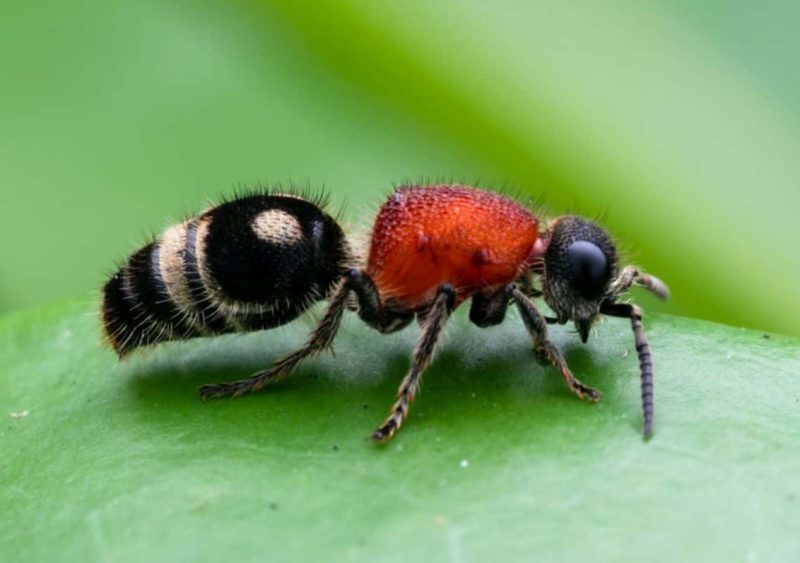
California is full of wildlife that surprises people. Most residents expect rattlesnakes in dry hills, coyotes in neighborhoods, scorpions in desert regions, and spiders in garages. But one strange-looking insect shocks people more than many others, not because of its size, but because of the unforgettable pain it delivers. That insect is the velvet ant, often called the “cow killer.”
Despite the name, it is not actually an ant. It is a wingless female wasp. It looks fuzzy, brightly colored, almost harmless or even “cute” at a glance. But anyone who has ever been stung by one does not forget the experience. These insects have incredibly powerful stings, strong defensive abilities, and a painful reputation that stretches across the United States — including California.
Many people in California encounter velvet ants in rural areas, deserts, open fields, hiking locations, parks, and even yards near natural land. They move fast. They look bold. And they are best admired from a safe distance. This detailed guide explains exactly what California residents should know. What velvet ants are. Why they are called “cow killers.” Why their colors are so bright. Where they live. What their sting feels like. How dangerous they actually are. And how to avoid painful encounters.
Table of Contents
- 1 What Exactly Is a Velvet Ant “Cow Killer”?
- 2 What Do California Velvet Ants Look Like?
- 3 Where Do Velvet Ants Live in California?
- 4 Why Are They Called “Bright Colors With Brutal Stings”?
- 5 How Painful Is a Velvet Ant Sting?
- 6 Are Velvet Ant Stings Dangerous or Just Painful?
- 7 How Do Velvet Ants Defend Themselves So Effectively?
- 8 Why Do Velvet Ants Exist? Their Surprising Life Cycle
- 9 When Are Velvet Ants Most Active in California?
- 10 How Fast Are Velvet Ants?
- 11 Do Velvet Ants Attack People?
- 12 What To Do If Stung by a Velvet Ant in California
- 13 Why Children Are at Higher Risk
- 14 Why Pets Are Also in Danger
- 15 Where Do People Most Commonly See Velvet Ants in California?
- 16 How To Avoid Painful Encounters
- 17 Do Velvet Ants Benefit the Environment?
- 18 Common Myths About Velvet Ants
- 19 Why Fear Alone Is Not the Answer
- 20 The Reality California Residents Should Accept
- 21 FAQs About California Velvet Ant “Cow Killer” Insects
- 22 Final Thoughts
What Exactly Is a Velvet Ant “Cow Killer”?
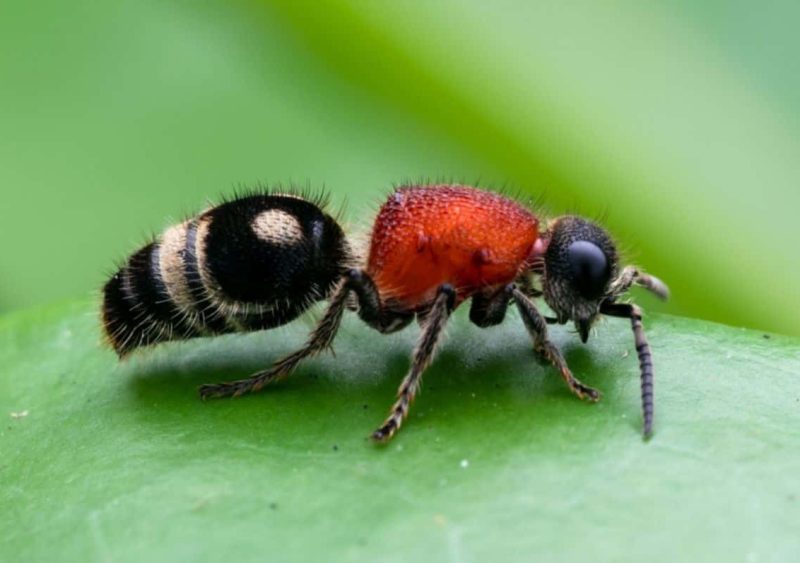
The velvet ant (family Mutillidae) is not a true ant. Females are wingless, which makes them resemble large, fuzzy ants. Males, however, do have wings and can fly. Only females sting, and they are the ones most people encounter walking on the ground.
Velvet ants earn the nickname “cow killer” because of the extreme pain caused by their sting. No, they do not actually kill cows. The name comes from old stories claiming the sting was so painful it could supposedly kill livestock. The reality is that the sting is unbelievably intense, but rarely dangerous to humans in terms of causing death. Pain is the true weapon.
They are covered in thick hair-like fuzz. Their bodies often display bright warning colors such as:
• fiery red
• bright orange
• bold yellow
• deep black combinations
These colors scream “Do not touch.” In nature, bright colors usually signal danger or poison, and velvet ants are prime examples of this survival strategy.
What Do California Velvet Ants Look Like?
Velvet ants are some of the most distinctive insects you will ever see on the ground. They are easy to recognize once you know what to look for. Common features include:
• fuzzy, velvety body covering
• bright red, orange, or yellow stripes or patches
• thick, powerful exoskeleton
• long legs for running
• wingless females that resemble ants
• slender waist like many wasps
They usually measure around ½ inch to over 1 inch depending on species. Some of the largest are surprisingly big for a ground insect. Their strong exoskeleton makes them difficult for predators to crush, which helps them survive in California’s wild landscapes.
Their color is not simply decoration. It is a defense message to predators and people alike.
Where Do Velvet Ants Live in California?
California is the perfect environment for velvet ants because they thrive in warm, dry, and sandy conditions. They are most common in:
• Southern California deserts
• Central Valley farmlands and open areas
• dry grasslands
• scrublands
• sandy soils
• parks and hiking trails near natural land
• rural neighborhoods
They prefer open ground rather than thick forests. Many people see them crossing trails, running across dirt, or wandering near open patches of soil. They are also commonly found where ground-nesting bees and wasps live, because their life cycle depends on those nests.
California’s climate gives them long active seasons, especially during warm months.
Why Are They Called “Bright Colors With Brutal Stings”?
Velvet ants are bold for a reason. Their bright colors advertise danger, a natural warning called aposematic coloration. Many animals that sting, burn, poison, or bite painfully display bright patterns so predators learn to leave them alone.
But warning colors are only the beginning. Velvet ants back up their appearance with real defense power:
• extremely powerful sting
• incredibly tough body shell
• painful bite capability
• loud squeaking sounds when threatened
• fast running ability
Few small insects combine so many defenses. That is why even experienced outdoors enthusiasts treat them with respect.
How Painful Is a Velvet Ant Sting?
Short answer: extremely painful. Many experts rank velvet ant stings among the most painful insect stings in North America.
People describe the sting as:
• instant searing pain
• burning sensation
• throbbing shock-like feeling
• intense discomfort that can last minutes to an hour or more
Some people feel nauseous or dizzy briefly due to pain intensity. Swelling and redness occur around the sting site. The pain may peak quickly and slowly fade, but sensitivity can remain afterward.
The sting is not simply annoying. For many, it is overwhelming in the moment. That level of pain explains the “cow killer” nickname perfectly.
Are Velvet Ant Stings Dangerous or Just Painful?
For most healthy adults, velvet ant stings are extremely painful but not life-threatening. However, there are important risks to consider.
Potential complications include:
• allergic reactions
• swelling spreading beyond sting site
• intense pain
• risk of infection if scratched
People with allergies to insect venom or severe reactions to bee or wasp stings may face higher danger. Difficulty breathing, swelling of the face or throat, dizziness, or signs of anaphylaxis require immediate emergency medical help.
For children, elderly individuals, and pets, stings may be more dangerous. Their bodies can react more intensely. Pets, especially curious dogs, sometimes try to bite or paw velvet ants and get stung. A trip to the veterinarian is often recommended in those cases.
So while velvet ants are not typically deadly, their sting should never be dismissed.
How Do Velvet Ants Defend Themselves So Effectively?
Velvet ants are built for survival. They combine multiple defenses in one small insect. These include:
• painful sting
• extremely hard body shell
• fast speed
• ability to dig and escape
• bright warning coloration
• squeaking defensive sound
Their thick outer shell makes it difficult for predators to crush them. Their sting discourages anything from eating them twice. Their speed helps them escape encounters.
In nature, predators learn quickly. One mistake, one sting, and they do not attempt to attack velvet ants again.
Why Do Velvet Ants Exist? Their Surprising Life Cycle
Velvet ants may seem like random ground insects, but they play a role in nature. Female velvet ants are actually parasites of other ground-nesting bees and wasps.
Here is how their life cycle works:
A female velvet ant searches for a ground bee or wasp nest.
She sneaks inside and lays her eggs on the developing larvae.
When her eggs hatch, they feed on the host larvae.
They then develop and eventually emerge as adult velvet ants.
This makes velvet ants part of natural population control. They keep other insect populations in balance. In California’s ecosystems, everything has a purpose — even painful stinging insects.
When Are Velvet Ants Most Active in California?
They are most commonly seen during warm months, especially:
• late spring
• summer
• early fall
They prefer hot temperatures and dry conditions. In Southern California and desert regions, they may appear for longer stretches of the year. Many encounters happen when people are outdoors enjoying warm weather activities.
Hikers, children exploring parks, gardeners, and outdoor workers encounter them most.
How Fast Are Velvet Ants?
Surprisingly fast. Many people are shocked to see how quickly velvet ants move. They do not wander lazily. They run with purpose. If you try to stomp or swat one, you may miss entirely — and getting too close increases sting risk.
Their speed helps them avoid predators and escape danger. It also makes encounters feel more intense because a fast-moving, brightly colored insect instantly draws attention.
Do Velvet Ants Attack People?
No. Velvet ants do not hunt humans. They do not chase. They do not fly into people like aggressive wasps. Most stings happen in situations where:
• someone steps on one
• a person tries to pick one up
• children play with them
• someone traps or crushes one accidentally
• a hand brushes against one unexpectedly
They sting purely in defense. Give them space and they simply run away.
What To Do If Stung by a Velvet Ant in California
If a velvet ant stings you, it will hurt — likely a lot. Stay calm and focus on care.
Immediately:
Move to a safe area away from the insect.
Wash the sting site gently with soap and water.
Apply a cold compress to reduce swelling and pain.
For discomfort:
Over-the-counter pain relief may help.
Anti-itch or anti-inflammatory creams reduce irritation.
Seek medical help if:
• you experience signs of allergic reaction
• swelling spreads significantly
• breathing becomes difficult
• dizziness or fainting occurs
• the sting is in a sensitive area such as face or throat
For children and elderly individuals, medical advice is always the safer choice.
Why Children Are at Higher Risk
Children love colorful insects. They are curious. They pick up bugs. They get close without thinking. Velvet ants are particularly tempting because they look fuzzy and brightly colored.
That makes education essential. Children in California should learn simple wildlife safety rules:
• do not touch unknown insects
• respect bright-colored bugs
• tell an adult if stung
Teaching awareness prevents painful experiences.
Why Pets Are Also in Danger
Dogs and cats often investigate crawling insects. Dogs especially like to sniff, paw, or bite at interesting movement. One velvet ant sting can leave a dog yelping in pain.
Signs in pets may include:
• sudden crying or pawing
• swelling of the face or paws
• licking or biting at the sting site
• weakness
• allergic reactions in rare cases
Veterinary care is recommended if a pet is stung, especially if swelling spreads or breathing changes.
Where Do People Most Commonly See Velvet Ants in California?
Common encounter locations include:
• hiking trails
• desert parks
• rural neighborhoods
• agricultural areas
• open sandy landscapes
• near ground-nesting bee habitats
• children’s outdoor play areas near natural land
If you live near dry open land, velvet ants are possible visitors.
How To Avoid Painful Encounters
You cannot eliminate velvet ants from California, and you should not try. But you can reduce your risk of being stung. These numbered safety tips truly help:
-
Do not pick up brightly colored fuzzy insects.
-
Wear shoes outdoors in natural areas.
-
Teach children to avoid handling unknown bugs.
-
Watch where you step in desert or grassy landscapes.
-
Respect wildlife and observe from a distance.
Simple awareness prevents painful stings.
Do Velvet Ants Benefit the Environment?
Yes, even painful insects play a role in nature. Velvet ants help:
• control bee and wasp populations
• maintain ecological balance
• contribute to natural biodiversity
They are a reminder that nature is not always comfortable, but it is always balanced.
Common Myths About Velvet Ants
Myth: They kill cows
Truth: The name is exaggerated, but pain level inspired it
Myth: They are harmless because they look fuzzy
Truth: They have one of the most painful stings in North America
Myth: They attack humans
Truth: They only sting defensively
Myth: Only big insects are dangerous
Truth: Velvet ants prove size does not equal pain
Myth: They are rare
Truth: They are more common than people realize in some California regions
Facts protect people far better than rumors.
Why Fear Alone Is Not the Answer
Fear causes panic. Panic causes bad choices like trying to kill or pick up insects. Calm understanding leads to safer reactions. You do not have to fear velvet ants. You simply need to respect them.
They are part of California’s natural world. They live their lives, play their ecological role, and only sting when provoked. Awareness turns potential danger into manageable risk.
The Reality California Residents Should Accept
California velvet ants are:
small but incredibly powerful insects
beautifully colored yet highly defensive
capable of brutal stings
unlikely to sting unless mishandled
part of the natural environment
creatures that demand respect, not panic
Living in California means living near wildlife. That includes insects strong enough to make lasting impressions. Velvet ants are one of those unforgettable creatures.
By understanding them, recognizing them, teaching children about them, and giving them space, you can enjoy California’s outdoors safely without painful surprises. Respect brings safety. Knowledge brings confidence. And awareness turns fear into smart caution.
FAQs About California Velvet Ant “Cow Killer” Insects
Are velvet ants in California really dangerous?
They are extremely painful but rarely deadly. Medical help is needed if strong reactions occur.
Do velvet ants chase people?
No. They prefer to run away, but sting when grabbed, stepped on, or threatened.
Where are they most common in California?
Deserts, grasslands, agricultural areas, and open sandy regions with ground-nesting insects.
What does the sting feel like?
A sharp, burning, intense pain often described as one of the worst insect stings in the region.
Can pets be hurt by velvet ants?
Yes. Pets can feel severe pain and may require veterinary care if stung.
How can I avoid getting stung?
Wear shoes outdoors, do not pick them up, and stay aware in natural areas.
Why are they so brightly colored?
Their bright colors warn predators and people that they are dangerous to touch.
Final Thoughts
The California velvet ant, or “cow killer,” proves that danger does not always look frightening at first glance. Sometimes it looks fuzzy, colorful, and almost beautiful. But beneath that bright exterior lies one of the most powerful insect defenses in California — a sting people never forget.
You do not have to fear them. You simply need to respect them. Learn what they look like. Teach your children. Protect pets. Give them space. When you do, you can enjoy everything California’s landscapes and outdoor life have to offer while avoiding the brutal sting of one of the state’s most unforgettable insects.