
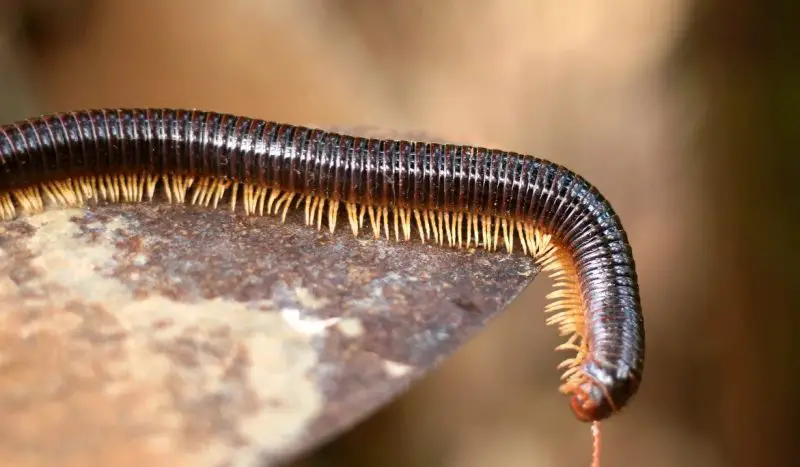
In North Carolina, heavy rain often brings more than wet roads and overflowing gutters. For many homeowners, it also brings an unexpected sight inside the house. Millipedes crawling slowly across basement floors, garage walls, entryways, or even bathrooms. They appear suddenly, usually in numbers, and just as quickly become a source of confusion and concern.
Unlike spiders or roaches, millipedes do not move fast. They do not hide aggressively. They wander. This wandering behavior is exactly what makes post-rain millipede invasions feel unsettling. Homeowners often assume something has gone wrong with the house or fear that the problem will continue indefinitely.
The truth is far more grounded in biology and North Carolina’s environment.
Millipedes entering homes after heavy rain is a predictable, seasonal behavior tied to moisture, soil conditions, and the way homes interact with the surrounding landscape. It is not random. It is not a sign of infestation inside the house. And in most cases, it is temporary.
This article explains why millipedes crawl indoors after heavy rain in North Carolina, what they are responding to, where they come from, and what homeowners should realistically expect. When the behavior makes sense, the situation becomes easier to manage.
Table of Contents
- 1 Millipedes Are Moisture-Dependent Creatures
- 2 What Heavy Rain Does to Millipede Habitat
- 3 Why North Carolina Sees This More Often Than Some States
- 4 Why Millipedes End Up Inside Instead of Just Outside
- 5 Basements and Garages Are the Most Common Locations
- 6 Why They Appear in Large Numbers
- 7 Millipedes Are Not Dangerous
- 8 Why Spraying Often Makes the Problem Worse
- 9 The Role of Landscaping Around Homes
- 10 Why Millipedes Follow Foundation Walls
- 11 Drainage Issues Increase Indoor Encounters
- 12 Seasonal Timing Matters
- 13 Why Millipedes Seem to Appear Overnight
- 14 Indoor Conditions Are Not Why They Stay
- 15 Why Vacuuming Is Better Than Spraying Indoors
- 16 Preventing Entry Is More Effective Than Killing
- 17 Why Some Homes Get Hit Harder Than Others
- 18 Common Myths About Millipede Invasions
- 19 When Millipedes Signal a Structural Issue
- 20 Living With North Carolina’s Environment
- 21 FAQs About Millipedes Entering Homes After Rain in North Carolina
- 21.1 Why do millipedes come inside after heavy rain?
- 21.2 Are millipedes harmful to people or pets?
- 21.3 Do millipedes infest homes?
- 21.4 How long do millipedes survive indoors?
- 21.5 Should I use pesticides?
- 21.6 Why do they appear in basements?
- 21.7 Will millipedes keep coming back?
- 21.8 When should I call a professional?
- 22 Conclusion
Millipedes Are Moisture-Dependent Creatures
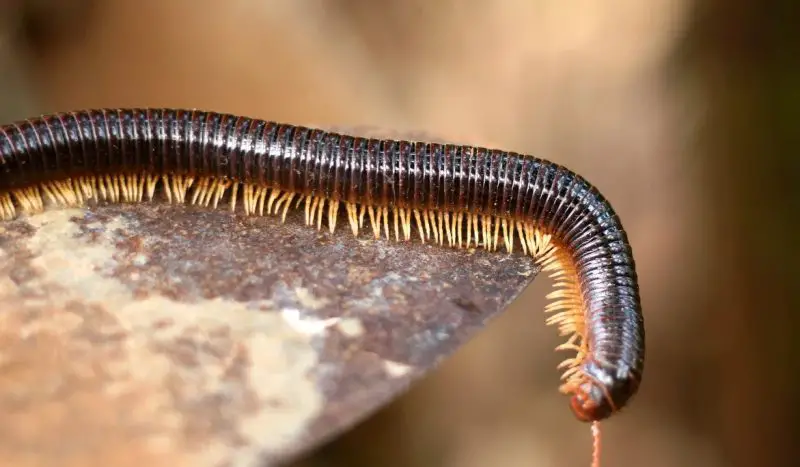
Millipedes are not insects. They are arthropods that rely heavily on moisture to survive. Their bodies lose water easily, and without consistent humidity, they dry out and die.
In North Carolina, millipedes thrive outdoors in damp environments. Leaf litter, mulch beds, rotting wood, soil rich in organic matter, and shaded areas around homes all provide ideal habitat.
Under normal conditions, millipedes remain hidden beneath the surface. They feed on decaying plant material and contribute to soil health. Homeowners rarely see them.
Heavy rain disrupts this balance.
What Heavy Rain Does to Millipede Habitat
When prolonged or intense rain hits North Carolina, soil becomes saturated. Air pockets fill with water. Leaf litter compresses. Organic debris shifts.
For millipedes, this creates a problem. Saturated soil limits oxygen. Excess water forces them upward to avoid drowning.
As millipedes move to the surface, they encounter structures that did not exist in their natural environment. Foundations. Sidewalks. Driveways. Walls.
Homes sit directly in the path of this forced migration.
Millipedes are not attracted to the inside of homes. They are escaping unfavorable conditions outside.
Why North Carolina Sees This More Often Than Some States
North Carolina’s climate makes millipede migrations especially common.
The state experiences frequent heavy rainfall, particularly during spring storms, tropical systems, and late-summer downpours. Warm temperatures combined with high humidity allow millipede populations to grow steadily.
When rain events occur after dry spells, the effect is even stronger. Dry soil suddenly becomes waterlogged, triggering widespread surface movement.
Coastal regions, the Piedmont, and wooded suburban areas all experience this phenomenon regularly.
Why Millipedes End Up Inside Instead of Just Outside
Millipedes do not intentionally enter houses. They follow surfaces.
As they crawl across patios, foundation walls, and entryways, they encounter gaps. Door thresholds. Garage seals. Basement cracks. Utility line openings.
These entry points are usually accidental. Millipedes wander through because the structure interrupts their movement path.
Once inside, the environment is wrong for them. Indoor air is dry. Food sources are limited. Survival time is short.
This is why millipedes inside homes usually die within days.
Basements and Garages Are the Most Common Locations
In North Carolina homes, millipedes most often appear in basements, crawl spaces, and garages.
These areas are closest to the soil and retain more moisture than living spaces. They also contain more access points.
Basement walls may develop condensation after rain. Crawl spaces trap humidity. Garages have door gaps and concrete slabs that connect directly to outdoor surfaces.
Millipedes enter these areas first, then occasionally wander into finished rooms.
Why They Appear in Large Numbers
Millipede invasions are rarely about one or two individuals.
Heavy rain affects entire outdoor populations at once. When habitat conditions shift rapidly, thousands of millipedes may move simultaneously.
Homes located near wooded areas, mulch beds, or dense landscaping experience higher numbers simply because more millipedes live nearby.
Seeing many millipedes at once does not mean the house is infested. It means the outdoor population is temporarily displaced.
Millipedes Are Not Dangerous
Despite their alarming appearance, millipedes do not bite, sting, or spread disease.
Some species release defensive chemicals when threatened. These chemicals can cause mild skin irritation if handled, but they are not dangerous.
Millipedes do not damage homes. They do not chew wood, wiring, or fabric. They are nuisance pests, not destructive ones.
Their presence indoors is unpleasant, but it is not harmful.
Why Spraying Often Makes the Problem Worse
Many homeowners respond to millipede invasions with sprays.
This often backfires.
Spraying outdoors kills some millipedes but does not stop migration triggered by rain. Spraying indoors may kill individuals but does not address entry points.
In some cases, chemical sprays repel millipedes into walls or deeper into structures, increasing sightings later.
Because millipedes are not nesting indoors, chemical control rarely provides meaningful relief.
The Role of Landscaping Around Homes
Landscaping plays a major role in millipede activity.
Thick mulch layers retain moisture and organic debris. Leaf piles provide shelter. Overgrown shrubs shade soil and keep it damp.
Homes with mulch directly against foundations experience higher millipede movement toward structures.
This does not mean landscaping is wrong. It means placement matters.
Adjusting mulch depth and creating dry buffer zones reduces indoor migration significantly.
Why Millipedes Follow Foundation Walls
Millipedes rely on tactile navigation. They follow edges and surfaces rather than crossing open areas.
Foundation walls act as highways. Millipedes crawl along them until they encounter an opening.
This behavior explains why millipedes often appear clustered near doorways, window wells, and foundation cracks.
Sealing these areas interrupts movement without needing chemicals.
Drainage Issues Increase Indoor Encounters
Poor drainage keeps soil saturated longer.
Clogged gutters, downspouts that empty near foundations, and low-lying yard areas all contribute to prolonged moisture.
In North Carolina, clay-heavy soils common in many regions drain slowly. After heavy rain, moisture lingers.
Improving drainage reduces how long millipedes are forced to move.
Seasonal Timing Matters
Millipede invasions in North Carolina peak during certain seasons.
Spring brings warming temperatures and frequent rain. Fall brings leaf litter and moisture. Summer storms can also trigger movement, especially after dry periods.
Winter activity drops significantly, but does not disappear entirely during mild seasons.
Understanding seasonal patterns helps homeowners anticipate when millipedes are most likely to appear.
Why Millipedes Seem to Appear Overnight
Millipedes are mostly nocturnal.
They move at night when humidity is highest and temperatures are stable. This is why homeowners often wake up to dozens of millipedes after an overnight storm.
The appearance feels sudden, but the movement happened gradually while people slept.
Indoor Conditions Are Not Why They Stay
Once inside, millipedes do not thrive.
Dry air dehydrates them. Lack of food prevents long-term survival. Indoor lighting disorients them.
Most millipedes die naturally within a short time indoors.
This is why repeated sightings usually correspond to repeated rain events, not ongoing indoor reproduction.
Why Vacuuming Is Better Than Spraying Indoors
Vacuuming removes millipedes quickly without spreading chemicals.
Because millipedes are slow and exposed, physical removal is effective.
Disposing of vacuum contents promptly prevents odor from defensive secretions.
This approach addresses the immediate problem without making it worse.
Preventing Entry Is More Effective Than Killing
Long-term control focuses on exclusion.
Sealing cracks, improving door sweeps, fixing window gaps, and closing foundation openings limit entry.
Managing moisture around foundations reduces migration pressure.
These steps reduce future invasions even during heavy rain.
Why Some Homes Get Hit Harder Than Others
Homes near wooded areas, creek beds, or undeveloped land see more millipedes.
Newer developments built into former forested areas often experience higher activity for years.
Homes with shaded yards and organic landscaping also support larger populations.
Location matters more than cleanliness.
Common Myths About Millipede Invasions
Many homeowners believe millipedes are attracted to food indoors. They are not.
Others assume seeing millipedes means rot or decay inside walls. This is rarely true.
Another myth is that millipedes indicate poor hygiene. They do not.
Understanding what millipedes actually want removes unnecessary worry.
When Millipedes Signal a Structural Issue
In rare cases, persistent millipede entry may signal chronic moisture problems.
Poor drainage, foundation leaks, or constantly damp crawl spaces can maintain pressure even without heavy rain.
If millipedes appear frequently without rain events, inspection may be necessary.
Living With North Carolina’s Environment
Millipedes are part of North Carolina’s ecosystem.
They play a role in breaking down organic matter and enriching soil. Their migration behavior reflects environmental stress, not household failure.
Homes built within natural landscapes inevitably interact with surrounding wildlife.
Managing that interaction, rather than eliminating it entirely, leads to better outcomes.
FAQs About Millipedes Entering Homes After Rain in North Carolina
Why do millipedes come inside after heavy rain?
Rain floods their habitat, forcing them to move to drier ground.
Are millipedes harmful to people or pets?
No. They do not bite or spread disease.
Do millipedes infest homes?
No. They do not reproduce or live long indoors.
How long do millipedes survive indoors?
Usually only a few days due to dry conditions.
Should I use pesticides?
In most cases, no. Exclusion and moisture control work better.
Why do they appear in basements?
Basements retain moisture and have direct soil contact.
Will millipedes keep coming back?
Only after future heavy rain events.
When should I call a professional?
If millipedes appear frequently without rain or moisture issues.
Conclusion
Millipedes crawl indoors after heavy rain in North Carolina because their outdoor habitat becomes temporarily unlivable. They are not invading homes for food or shelter. They are reacting to environmental stress.
Their appearance is seasonal, predictable, and usually short-lived. With proper moisture management, exclusion, and realistic expectations, millipede encounters become manageable rather than alarming.
Understanding why millipedes behave this way turns frustration into confidence. In North Carolina, rain changes the landscape. Millipedes simply respond.