
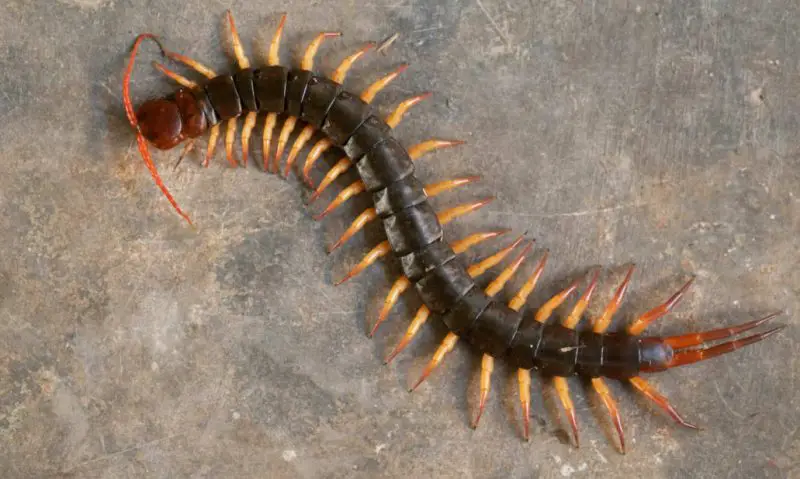
Centipedes are one of the most unsettling household creatures Pennsylvania homeowners encounter. They move fast, hide well, and seem to appear without warning in basements, bathrooms, laundry rooms, and crawl spaces. Almost always, they show up in the same types of places: damp, cool, and dark areas of the home.
This pattern is not coincidence.
Centipedes prefer damp areas in Pennsylvania houses because moisture directly supports every part of their survival system. From breathing and hydration to hunting prey and avoiding predators, centipedes are biologically dependent on environments that stay humid and protected. Pennsylvania’s climate, housing styles, and seasonal weather shifts make damp indoor spaces especially attractive to them.
Once their biology is understood, centipede behavior stops feeling random and starts following clear, predictable rules.
Table of Contents
- 1 Centipedes Are Moisture-Dependent Predators
- 2 Pennsylvania’s Climate Creates Indoor Damp Zones
- 3 Centipedes Do Not Wander Into Dry Living Spaces
- 4 Damp Areas Support Their Food Supply
- 5 Why Basements Are Centipede Hotspots
- 6 Crawl Spaces Are Nearly Perfect Habitat
- 7 Bathrooms Combine Moisture and Shelter
- 8 Laundry Rooms Attract Centipedes Quietly
- 9 Why Centipedes Appear After Heavy Rain
- 10 Seasonal Transitions Increase Sightings
- 11 Centipedes Use Structural Gaps to Travel
- 12 Why They Hide During the Day
- 13 Centipedes Are Fast Because They Are Vulnerable
- 14 Why Centipedes Are Not Signs of Dirt
- 15 Common Centipede Species in Pennsylvania Homes
- 16 Why House Centipedes Stay Indoors Year-Round
- 17 Why Killing Centipedes Doesn’t Solve the Problem
- 18 Moisture Control Reduces Centipede Activity
- 19 Why Dehumidifiers Work So Well
- 20 Why Drains Are Not the Source
- 21 Why Chemical Sprays Often Fail
- 22 Why Pennsylvania Homes See More Centipedes Than Some States
- 23 When Centipedes Indicate a Bigger Problem
- 24 When Professional Help Is Needed
- 25 Why Centipedes Are Beneficial Predators
- 26 Myths About Centipedes in Homes
- 27 How to Reduce Encounters Without Panic
- 28 FAQs About Centipedes in Pennsylvania Houses
- 29 Conclusion
Centipedes Are Moisture-Dependent Predators
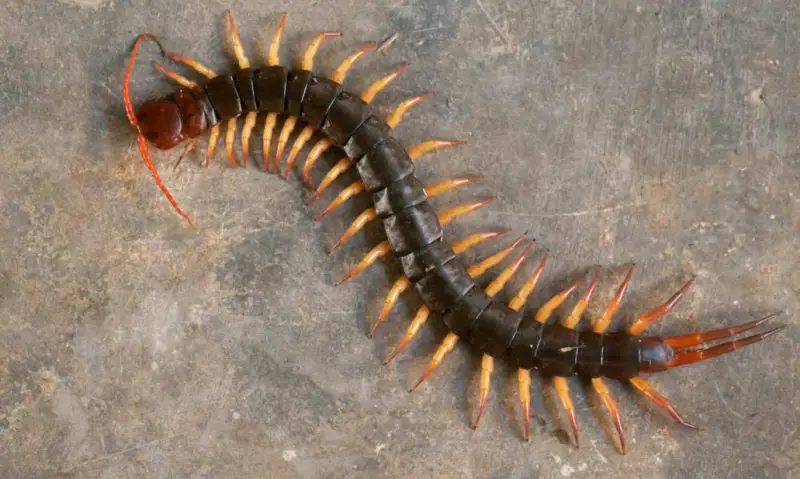
Centipedes are not insects. They are arthropods with bodies designed for hunting, not scavenging.
Unlike cockroaches or ants, centipedes do not seek food scraps. They hunt live prey such as insects, spiders, silverfish, and small arthropods. To do this successfully, they must stay hydrated.
Centipedes lose moisture rapidly through their exoskeleton. Dry air dehydrates them quickly and can be fatal. Damp environments slow water loss and allow them to remain active longer.
This makes moisture the single most important factor in where centipedes can survive indoors.
Pennsylvania’s Climate Creates Indoor Damp Zones
Pennsylvania experiences frequent rainfall, high seasonal humidity, and wide temperature swings. These conditions naturally create damp microenvironments inside houses, especially in lower levels.
Basements absorb ground moisture. Crawl spaces trap humid air. Bathrooms and laundry rooms generate steam. Even kitchens produce localized humidity around plumbing.
These indoor damp zones remain stable even when outdoor conditions change, giving centipedes reliable refuge year-round.
Centipedes Do Not Wander Into Dry Living Spaces
Centipedes avoid open, dry rooms whenever possible.
Living rooms, bedrooms, and hallways typically lack the humidity centipedes need. Air circulation, heating, and human activity dry these spaces quickly.
When centipedes appear in these rooms, it usually means they were displaced by environmental changes, such as heavy rain, flooding, or pest control treatments. They are passing through, not settling.
Their preferred habitats remain damp, low-traffic areas.
Damp Areas Support Their Food Supply
Centipedes go where prey is abundant.
In Pennsylvania homes, moisture-loving insects thrive in damp spaces. Silverfish, booklice, drain flies, fungus gnats, cockroaches, and spiders all prefer humidity.
Basements and bathrooms become insect hubs, and centipedes follow.
A centipede sighting often signals an underlying insect population rather than a centipede-specific problem.
Why Basements Are Centipede Hotspots
Basements provide ideal centipede conditions.
They are cool, dark, and consistently humid. Concrete walls wick moisture from soil. Cracks and floor drains create entry points.
Basements also host insects drawn to dampness and organic debris. Centipedes use wall edges and floor seams as hunting routes.
This is why most Pennsylvania homeowners encounter centipedes first in basements.
Crawl Spaces Are Nearly Perfect Habitat
Homes with crawl spaces experience even higher centipede activity.
Crawl spaces trap moisture, organic debris, and insects. Poor ventilation allows humidity to remain high year-round.
Centipedes thrive here and often move upward through plumbing chases and wall voids into bathrooms or basements.
Crawl spaces act as reservoirs rather than occasional entry points.
Bathrooms Combine Moisture and Shelter
Bathrooms produce steam daily.
Showers raise humidity. Pipes leak or sweat. Floor mats and grout retain moisture. Ventilation is often insufficient.
Centipedes use bathrooms as secondary hunting grounds, especially at night when the room is quiet and humid.
Finding centipedes near tubs or sinks does not mean they came from drains. It means they followed moisture and prey.
Laundry Rooms Attract Centipedes Quietly
Laundry rooms are overlooked centipede zones.
Washing machines, floor drains, and condensation create persistent dampness. Lint traps and dust attract small insects.
Because laundry rooms see intermittent human activity, centipedes can hunt undisturbed.
In Pennsylvania homes, laundry rooms often connect directly to basements, increasing access.
Why Centipedes Appear After Heavy Rain
Rain changes indoor conditions quickly.
Heavy rainfall increases groundwater pressure around foundations. Moisture seeps into basements and crawl spaces. Outdoor insects move indoors to escape flooding.
Centipedes follow this movement.
After storms, homeowners often see centipedes climbing walls or crossing floors because their normal habitats became oversaturated or disturbed.
Seasonal Transitions Increase Sightings
Centipede sightings spike during spring and fall.
In spring, rising temperatures and moisture activate insects and predators. In fall, cooling outdoor conditions drive centipedes and their prey indoors.
Pennsylvania’s sharp seasonal transitions amplify this movement, making centipedes more visible during these periods.
Centipedes Use Structural Gaps to Travel
Centipedes are excellent climbers and flatten their bodies to move through narrow gaps.
They use:
Cracks in foundations
Gaps around pipes
Floor drains
Expansion joints
Baseboard gaps
Damp areas often contain the most structural penetrations, especially near plumbing.
This is why centipedes repeatedly appear in the same rooms.
Why They Hide During the Day
Centipedes are nocturnal.
They avoid light and dry air. During the day, they hide under objects, inside wall voids, or beneath flooring.
At night, humidity rises and insects become active. Centipedes emerge to hunt.
Many Pennsylvania homeowners only see centipedes when turning on lights at night.
Centipedes Are Fast Because They Are Vulnerable
Speed is defense.
Centipedes lack thick armor. They rely on speed to escape threats and avoid dehydration. Dry air is dangerous to them.
This is why they sprint across floors when exposed. They are trying to reach shelter quickly.
Their movement is alarming but not aggressive.
Why Centipedes Are Not Signs of Dirt
Centipedes do not feed on trash, crumbs, or waste.
A clean house can still support centipedes if moisture and insects are present.
This is especially common in Pennsylvania, where humidity alone can sustain indoor insect life.
Cleanliness does not eliminate moisture.
Common Centipede Species in Pennsylvania Homes
The most common indoor centipede in Pennsylvania is the house centipede.
House centipedes prefer damp environments and hunt other pests. They are not native but are well-adapted to indoor living.
Occasionally, soil centipedes enter basements, but they do not survive long indoors without high moisture.
Why House Centipedes Stay Indoors Year-Round
House centipedes tolerate indoor conditions better than outdoor species.
They rely on consistent humidity and prey availability. Heated Pennsylvania homes allow them to remain active through winter.
Outdoor centipedes typically die or retreat deeper into soil during cold months.
Why Killing Centipedes Doesn’t Solve the Problem
Removing individual centipedes does not change the environment.
As long as moisture and prey remain, new centipedes will appear. Killing them removes predators that help control insects.
This often leads to increased pest activity, followed by more centipedes.
Moisture Control Reduces Centipede Activity
Reducing humidity is the most effective long-term solution.
Fixing leaks
Improving basement ventilation
Using dehumidifiers
Sealing foundation cracks
Addressing drainage issues
Dry environments push centipedes out naturally.
Why Dehumidifiers Work So Well
Dehumidifiers directly target centipede survival.
Lower humidity dehydrates centipedes and their prey. Insects decline first, followed by predators.
In Pennsylvania basements, dehumidifiers often reduce sightings dramatically within weeks.
Why Drains Are Not the Source
Centipedes do not live in drains.
They may appear near drains because moisture and insects gather there. Drains act as indicators, not origins.
Misunderstanding this leads to ineffective treatments.
Why Chemical Sprays Often Fail
Sprays kill exposed centipedes but do not address moisture or prey.
They may push centipedes deeper into walls temporarily.
Long-term control comes from environmental change, not chemicals.
Why Pennsylvania Homes See More Centipedes Than Some States
Pennsylvania combines several centipede-friendly factors:
High rainfall
Humid summers
Basements and crawl spaces
Older housing stock
Dense insect populations
Together, these create ideal indoor habitats.
When Centipedes Indicate a Bigger Problem
Persistent centipede sightings may signal:
Hidden moisture problems
Foundation leaks
High insect infestations
Poor drainage
Addressing these issues improves overall home health.
When Professional Help Is Needed
Professional inspection is useful if:
Basements remain damp year-round
Structural cracks are extensive
Insect populations are high
Centipedes appear daily
Professionals focus on moisture management and exclusion.
Why Centipedes Are Beneficial Predators
Centipedes help control pests.
They hunt cockroaches, silverfish, flies, and spiders. Their presence often means they are doing work unnoticed.
This does not mean they should be welcomed, but it explains why eliminating them completely is difficult.
Myths About Centipedes in Homes
Centipedes do not nest indoors
They do not seek humans
They do not indicate filth
They are not aggressive
Understanding these myths reduces fear.
How to Reduce Encounters Without Panic
Keep areas dry
Reduce clutter
Seal gaps
Improve drainage
Address insect infestations
These steps work together.
FAQs About Centipedes in Pennsylvania Houses
Why do centipedes like damp areas?
They lose moisture quickly and need humid environments to survive.
Are centipedes dangerous?
They rarely bite and are not medically dangerous.
Do centipedes come from drains?
No, they come from wall voids and damp structural areas.
Will winter kill them?
Not indoors in heated Pennsylvania homes.
Do centipedes mean I have other pests?
Usually yes. They hunt insects.
Are basements the main source?
Yes, especially damp basements.
Do sprays work?
Only temporarily.
What is the best prevention method?
Moisture control and insect reduction.
Conclusion
Centipedes prefer damp areas in Pennsylvania houses because moisture supports every part of their survival, from hydration to hunting.
Basements, crawl spaces, bathrooms, and laundry rooms provide stable humidity, abundant prey, and safe shelter in a climate that naturally favors indoor dampness.
Centipedes are not random invaders. They are indicators.
When moisture is controlled and insect populations decline, centipedes disappear naturally. Understanding that relationship transforms centipedes from a frightening surprise into a predictable signal that your home’s environment needs attention rather than fear.