
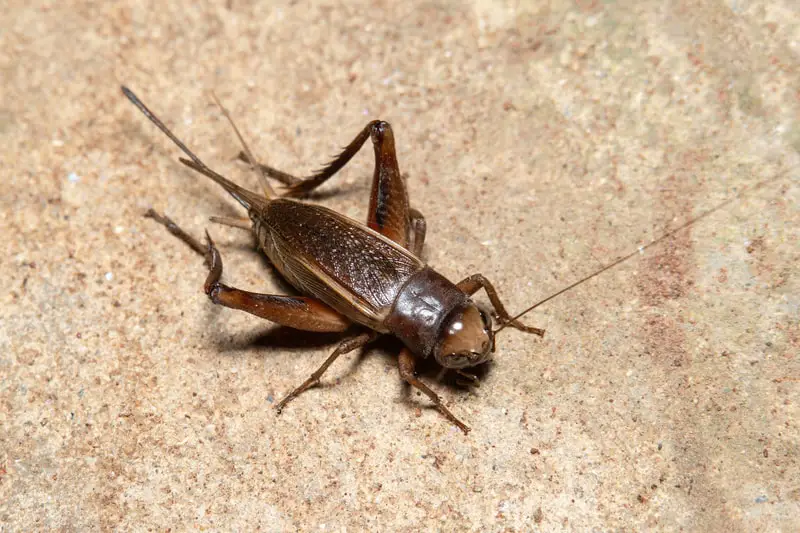
House crickets are one of the most familiar indoor insects in North Carolina, yet few people understand why they suddenly appear inside homes. One evening the house feels quiet, and the next, a steady chirping sound echoes from a wall, closet, or laundry room. Sometimes the cricket is seen hopping across the floor. Other times, it stays hidden, making its presence known only through sound.
These appearances are not random, and they are not signs of poor housekeeping. House crickets enter homes in North Carolina because indoor spaces often provide exactly what they need to survive seasonal pressure outdoors. Temperature, moisture, shelter, and structure all play a role, especially in a state where climate shifts are frequent and mild winters blur the line between indoor and outdoor insect activity.
Understanding what makes house crickets appear indoors helps explain why they show up repeatedly, why certain rooms are affected more than others, and why the problem feels seasonal yet persistent.
Table of Contents
- 1 What House Crickets Actually Are
- 2 Why North Carolina Homes Are Especially Attractive
- 3 Seasonal Pressure Drives Indoor Movement
- 4 Moisture Plays a Bigger Role Than Food
- 5 Structural Entry Points Make Access Easy
- 6 Crawl Spaces and Basements Act as Gateways
- 7 Why Crickets Appear in Specific Rooms
- 8 Nighttime Activity Makes Them Noticeable
- 9 Why You Often Hear Them Before Seeing Them
- 10 Outdoor Lighting Increases Indoor Pressure
- 11 Why Crickets Keep Returning Each Year
- 12 Why Sprays Provide Only Temporary Relief
- 13 Clean Homes Still Get Crickets
- 14 Why Crickets Sometimes Appear in Winter
- 15 When Crickets Signal a Larger Issue
- 16 How to Reduce Indoor Cricket Activity
- 17 The Ecological Role People Forget
- 18 FAQs About House Crickets in North Carolina
- 18.1 Why do house crickets suddenly appear inside my home?
- 18.2 Are house crickets dangerous to people or pets?
- 18.3 Does having crickets indoors mean my house is dirty?
- 18.4 Why do I hear crickets more at night?
- 18.5 Why do crickets seem to come back every year?
- 18.6 Where do house crickets hide during the day?
- 18.7 Are crickets coming from outside or nesting indoors?
- 18.8 Why do sprays not solve cricket problems long-term?
- 18.9 Why do crickets often appear near basements or crawl spaces?
- 18.10 When should I worry about a larger issue?
- 19 Final Thoughts
What House Crickets Actually Are
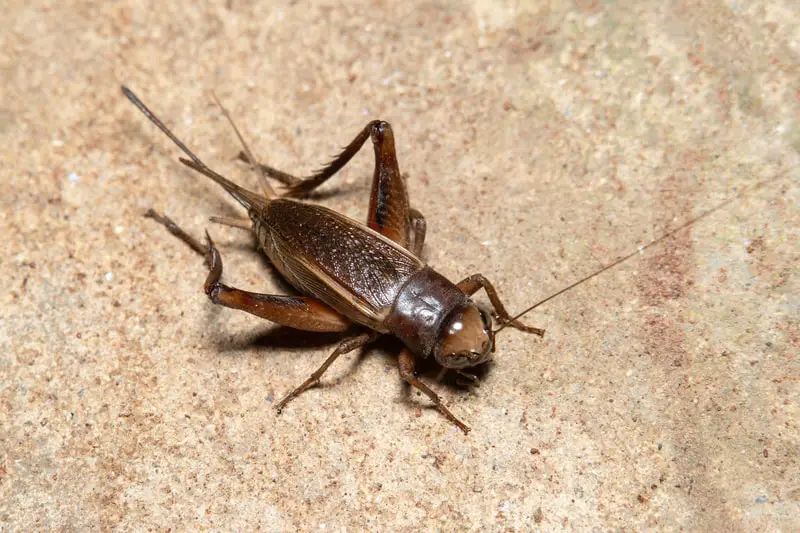
House crickets (Acheta domesticus) are insects that have adapted extremely well to living near humans. Originally associated with warmer regions, they now occur throughout North Carolina due to climate compatibility and the availability of indoor shelter.
They are light brown to tan, with long antennae and powerful hind legs designed for jumping. Adults typically measure about three quarters of an inch long, though size varies with age and conditions. Their wings are well developed, but like many crickets, they rely more on jumping and crawling than flying.
The sound people associate with house crickets comes from males rubbing their wings together. Chirping is not random noise. It is a mating call and also a sign that conditions are suitable for survival. Crickets do not chirp when temperatures are too cold or environments are too dry.
Despite their name, house crickets do not originate inside homes. They are outdoor insects that use human structures as refuge when conditions outside become unfavorable.
Why North Carolina Homes Are Especially Attractive
North Carolina sits in a transitional climate zone. Summers are warm and humid. Winters are mild but unpredictable. Rainfall varies widely by season and region. These fluctuations create repeated pressure on outdoor insects.
House crickets respond to environmental instability by seeking consistent shelter. Homes provide steady temperatures, protection from predators, and access to moisture. Even when food is limited indoors, survival conditions remain stable enough to support them for extended periods.
Unlike colder northern states, North Carolina rarely experiences prolonged freezes that eliminate insect populations. Crickets remain active longer into fall and often survive through winter indoors, making indoor appearances more noticeable.
Seasonal Pressure Drives Indoor Movement
Most indoor cricket problems begin outdoors.
In late summer and early fall, house cricket populations peak. Young crickets mature, mating activity increases, and competition for resources intensifies. At the same time, outdoor conditions begin to shift. Nights cool, rainfall patterns change, and vegetation dries out.
As temperatures drop, crickets instinctively move toward warmth. Homes emit heat through foundations, doors, windows, and vents. Even slight temperature differences are enough to attract them.
This is why indoor cricket sightings spike in fall, even though homes themselves have not changed.
Moisture Plays a Bigger Role Than Food
Food is rarely the primary driver for house crickets entering homes.
Crickets are omnivores. Outdoors, they feed on plant matter, fungi, algae, small insects, and organic debris. Indoors, they survive on crumbs, pet food, paper products, and even fabrics when necessary.
Moisture matters more.
Crickets lose water easily and prefer humid environments. North Carolina homes often contain moisture pockets that persist year-round, including basements, crawl spaces, laundry rooms, bathrooms, and kitchens.
Crickets move toward these zones not because they are feeding heavily, but because they can survive there longer.
Structural Entry Points Make Access Easy
House crickets are excellent at exploiting small openings.
Common entry points include:
-
Gaps under exterior doors
-
Cracks in foundations
-
Utility line penetrations
-
Window and door frames
-
Crawl space vents
North Carolina homes often expand and contract with humidity changes, creating seasonal gaps that insects exploit. Even well-maintained houses develop small access points over time.
Once inside, crickets tend to move along walls and edges, following structural lines the same way they do outdoors under rocks and logs.
Crawl Spaces and Basements Act as Gateways
Many North Carolina homes are built with crawl spaces rather than full basements. These areas are particularly attractive to crickets.
Crawl spaces stay humid, dark, and protected. They often contain organic debris, insulation, and condensation on ductwork. Crickets can live there unnoticed for long periods before moving upward into living spaces.
Basements, when present, serve a similar function. Even finished basements retain moisture along walls and floors that crickets detect quickly.
Indoor sightings often begin in these lower levels and spread upward gradually.
Why Crickets Appear in Specific Rooms
Crickets do not distribute themselves evenly indoors.
They tend to appear in rooms that mirror outdoor shelter conditions:
-
Laundry rooms with washing machines and drains
-
Bathrooms with persistent humidity
-
Kitchens near appliances and plumbing
-
Garages connected to living spaces
These rooms provide warmth, moisture, and hiding places behind appliances, cabinets, and baseboards. Crickets remain hidden during the day and become active at night, making detection sporadic.
Nighttime Activity Makes Them Noticeable
House crickets are primarily nocturnal.
During daylight hours, they hide in cracks, behind furniture, or inside wall voids. At night, they emerge to forage, relocate, or call.
North Carolina nights often remain warm and humid, even in cooler seasons. This allows crickets to remain active indoors long after outdoor activity has slowed.
The quiet of nighttime amplifies chirping, making a single cricket feel like a larger problem than it is.
Why You Often Hear Them Before Seeing Them
Crickets are more often heard than seen because of how they move.
They avoid open spaces and rely on quick bursts of movement when disturbed. Once startled, they disappear into nearby shelter almost instantly.
Chirping travels easily through walls, floors, and vents, making it difficult to pinpoint the source. This creates the impression that the cricket is everywhere at once.
In reality, most indoor cricket problems involve only one or two individuals at a time.
Outdoor Lighting Increases Indoor Pressure
Exterior lights attract insects, which in turn attract crickets.
Porch lights, garage lights, and landscape lighting create feeding zones near entry points. Crickets gather to hunt other insects and remain nearby.
When temperatures shift or moisture levels change, those same crickets move indoors through the nearest openings.
Lighting does not cause crickets, but it concentrates them where entry is easiest.
Why Crickets Keep Returning Each Year
Indoor cricket problems often feel repetitive.
This is not because the same crickets return, but because the same conditions recur. Seasonal temperature drops, moisture patterns, and structural gaps repeat annually.
Unless those conditions are addressed, new crickets will follow the same paths year after year.
Homes develop habits just like insects do.
Why Sprays Provide Only Temporary Relief
Spraying visible crickets addresses the symptom, not the cause.
Most insecticides kill individual crickets but do nothing to reduce outdoor populations, moisture conditions, or entry points. New crickets replace those removed.
In some cases, spraying drives crickets deeper into wall voids, increasing nighttime chirping.
Long-term control depends on environmental management, not repeated spraying.
Clean Homes Still Get Crickets
House crickets do not indicate poor sanitation.
Clean homes still provide warmth, moisture, and shelter. Crickets are opportunistic survivors, not scavengers drawn only to filth.
This is why even well-kept homes experience cricket problems during certain seasons.
Why Crickets Sometimes Appear in Winter
Winter sightings confuse many homeowners.
In North Carolina, winters are often mild enough for crickets to remain active outdoors part of the time. When cold snaps occur, crickets retreat indoors where temperatures remain stable.
Once inside, they may survive for weeks or months, especially in heated homes.
Indoor warmth extends their activity beyond what outdoor conditions would allow.
When Crickets Signal a Larger Issue
Occasional crickets are normal. Frequent or widespread indoor activity suggests underlying issues.
These may include:
-
Excess moisture in crawl spaces
-
Poor door and window seals
-
Heavy outdoor insect activity near foundations
-
Landscaping that traps moisture against the house
Addressing these factors reduces cricket pressure more effectively than any single treatment.
How to Reduce Indoor Cricket Activity
Effective prevention focuses on exclusion and environment.
Sealing gaps under doors, improving crawl space ventilation, reducing outdoor moisture near foundations, and managing exterior lighting all help reduce entry.
Indoors, reducing humidity and eliminating cluttered hiding spots limits how long crickets remain.
Breaking access and survival conditions breaks the cycle.
The Ecological Role People Forget
Outdoors, house crickets contribute to nutrient recycling and insect control. They are part of the ecosystem, not invaders by default.
Indoors, they are simply in the wrong place at the wrong time.
Understanding that difference changes how the problem is approached.
FAQs About House Crickets in North Carolina
Why do house crickets suddenly appear inside my home?
House crickets usually move indoors when outdoor conditions become unstable. Changes in temperature, moisture, or food availability push them toward warm, sheltered spaces that homes naturally provide.
Are house crickets dangerous to people or pets?
No. House crickets do not bite, sting, or spread disease. They are considered a nuisance insect rather than a health risk.
Does having crickets indoors mean my house is dirty?
Not at all. Clean homes experience cricket activity just as often. Crickets are drawn to warmth, moisture, and shelter, not poor sanitation.
Why do I hear crickets more at night?
House crickets are nocturnal. At night, human activity drops, temperatures stabilize, and sound travels more easily, making chirping far more noticeable.
Why do crickets seem to come back every year?
Seasonal conditions repeat. As long as temperature shifts, moisture pockets, and entry points remain the same, new crickets will follow the same paths each year.
Where do house crickets hide during the day?
They hide in cracks, behind baseboards, inside wall voids, under appliances, and in crawl spaces where light and disturbance are minimal.
Are crickets coming from outside or nesting indoors?
Most house crickets originate outdoors. Indoors, they survive temporarily but rarely establish long-term breeding populations inside living spaces.
Why do sprays not solve cricket problems long-term?
Sprays kill individual crickets but do not address entry points, moisture, or outdoor pressure. New crickets replace those removed once conditions remain favorable.
Why do crickets often appear near basements or crawl spaces?
These areas stay humid, dark, and protected, making them ideal transition zones where crickets enter before moving into living spaces.
When should I worry about a larger issue?
Frequent sightings across multiple rooms may indicate excess moisture, poor sealing, or heavy outdoor insect activity near the foundation that needs attention.
Final Thoughts
House crickets appear indoors in North Carolina because homes offer what the outdoors temporarily cannot. Warmth, moisture, and shelter combine during seasonal shifts, drawing crickets inside through small, easily overlooked openings.
Their presence does not signal neglect or infestation. It reflects how structures interact with climate and insect behavior.
When those interactions are understood and managed, house crickets fade from view, and the quiet returns without the need for constant intervention.