
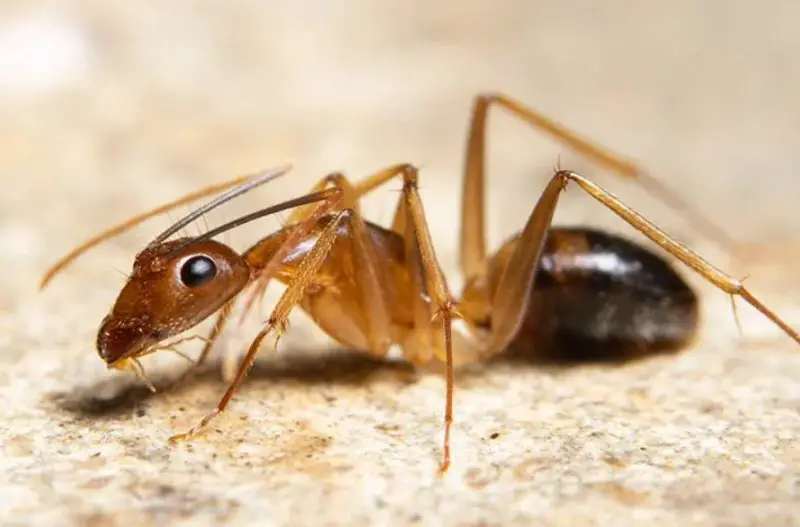
Along the coast of South Carolina, tiny pale ants are a familiar frustration for many homeowners. They appear along kitchen counters, bathroom sinks, window frames, and baseboards, often vanishing just as quickly as they arrived. These ants are easy to underestimate because of their size, yet they persist in ways that feel unusually difficult to control. In coastal areas especially, ghost ants seem to return no matter the season or the level of cleanliness inside the home.
Their presence is not accidental, and it is not unique to individual houses. Ghost ants thrive in coastal South Carolina because the region’s climate, building styles, and environmental conditions align almost perfectly with their biological needs. Warm temperatures, persistent humidity, shared infrastructure, and constant moisture create an indoor environment where ghost ants can survive year-round.
To understand why ghost ants are so common in coastal South Carolina houses, it helps to look at how these ants live, how they move, and how coastal homes unintentionally support them.
Table of Contents
- 1 What Ghost Ants Actually Are
- 2 Coastal South Carolina Provides Ideal Climate Conditions
- 3 Moisture Is the Primary Attraction
- 4 Why Coastal Homes Are Especially Vulnerable
- 5 Ghost Ants Exploit Structural Edges and Seams
- 6 Why They Appear Suddenly
- 7 Coastal Weather Creates Repeated Pressure Cycles
- 8 Shared Infrastructure Increases Spread
- 9 Why Ghost Ants Favor Kitchens and Bathrooms
- 10 Why Clean Homes Still Get Ghost Ants
- 11 Why Sprays Often Make Infestations Worse
- 12 Why Baits Work Differently
- 13 Why Ghost Ants Are Active Year-Round
- 14 Outdoor Landscaping Contributes Indoors
- 15 Why Ghost Ants Are Drawn to Light and Windows
- 16 Health and Safety Concerns
- 17 When Ghost Ants Signal a Bigger Issue
- 18 Long-Term Prevention in Coastal South Carolina
- 19 The Ecological Perspective
- 20 FAQs About Ghost Ants in Coastal South Carolina
- 20.1 Why are ghost ants so common in coastal South Carolina homes?
- 20.2 Are ghost ants dangerous to people or pets?
- 20.3 Does seeing ghost ants mean my house is dirty?
- 20.4 Why do ghost ants seem to appear overnight?
- 20.5 Do ghost ants nest inside walls?
- 20.6 Why are ghost ants hard to eliminate with sprays?
- 20.7 Are ghost ants coming from outside or from neighboring homes?
- 20.8 Why are kitchens and bathrooms affected first?
- 20.9 Will ghost ants go away on their own?
- 20.10 When should ghost ants be a bigger concern?
- 21 Final Thoughts
What Ghost Ants Actually Are
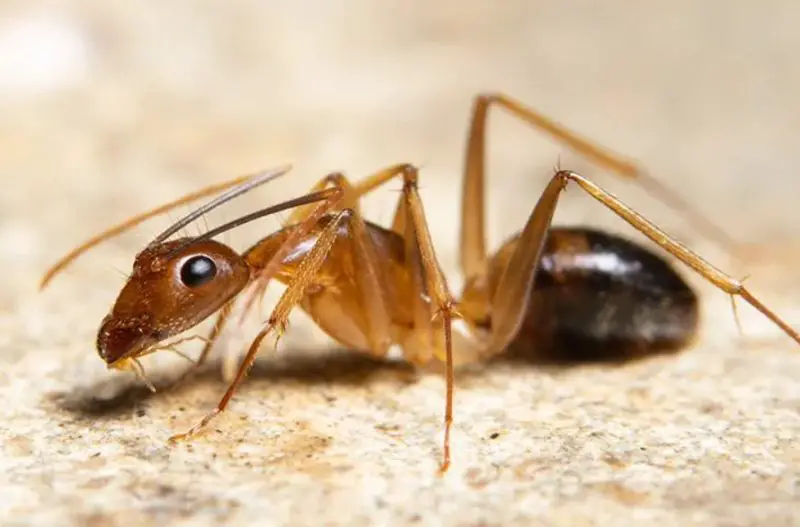
Ghost ants (Tapinoma melanocephalum) are small, delicate ants originally native to tropical regions. They are now found worldwide in warm climates and indoors in temperate areas. In coastal South Carolina, they are one of the most frequently encountered indoor ant species.
Adult workers are extremely small, usually measuring between 1.3 and 1.5 millimeters long. Their appearance gives them their name. The head and thorax are dark brown, while the abdomen and legs are pale, milky white, or nearly transparent. Against light-colored surfaces such as sinks, tile, or countertops, they can seem to disappear as they move.
Ghost ants do not sting, and their bite is so weak it is rarely felt. They pose no direct physical risk to humans or pets. Their impact comes from their ability to spread rapidly and persist indoors once conditions are favorable.
Unlike many ants that rely on a single large nest, ghost ants form loose, flexible colonies made up of multiple satellite nests. This structure allows them to relocate quickly when conditions change, making them especially successful indoors.
Coastal South Carolina Provides Ideal Climate Conditions
Climate is the most important reason ghost ants thrive along the South Carolina coast.
The region experiences long, warm seasons with high humidity that rarely drops low enough to disrupt insect activity. Winters are mild, and freezing temperatures are short-lived. This lack of prolonged cold means ghost ants never experience a true population reset.
Humidity remains high year-round due to coastal air, frequent rainfall, and evaporation from surrounding waterways. Even when homes feel dry to occupants, hidden moisture persists in wall cavities, under cabinets, and around plumbing.
For ghost ants, this environment closely resembles their native tropical habitat. Coastal South Carolina homes essentially act as climate-controlled extensions of that environment.
Moisture Is the Primary Attraction
Ghost ants are extremely sensitive to dehydration. Their small bodies lose moisture quickly, making humid environments essential for survival.
Bathrooms, kitchens, laundry rooms, and utility spaces consistently provide moisture through daily use. Showers, sinks, dishwashers, washing machines, and plumbing lines all contribute to lingering humidity that ghost ants detect easily.
Even minor moisture sources matter. Condensation on pipes, damp grout lines, slow leaks, or wet cabinet bases can support ghost ant activity. These conditions often go unnoticed by homeowners but remain stable enough for ants to exploit.
In coastal South Carolina, outdoor humidity combines with indoor moisture, making it difficult for homes to dry out completely.
Why Coastal Homes Are Especially Vulnerable
Many coastal South Carolina houses share structural features that unintentionally support ghost ants.
Raised foundations, crawl spaces, and pier-and-beam construction are common in coastal areas to manage flooding and moisture. These spaces stay humid and dark, creating ideal entry zones and travel corridors for ants.
Ventilation openings, plumbing penetrations, and utility access points connect crawl spaces directly to interior walls. Ghost ants move through these pathways unnoticed, emerging inside living spaces where moisture is highest.
Even slab-on-grade homes experience moisture gradients near foundations, especially during humid weather. Air conditioning cools interior surfaces, increasing condensation and creating attractive zones for ants.
Ghost Ants Exploit Structural Edges and Seams
Ghost ants rarely move randomly through open spaces. They rely on edges, seams, and junctions to navigate.
Baseboards, cabinet edges, tile grout, caulk lines, and countertop seams provide continuous guidance. These surfaces also protect pheromone trails from air movement and cleaning, allowing trails to persist longer.
Coastal homes often feature tile floors, stone counters, and sealed surfaces that create perfect ant highways. Once a trail is established, it becomes reinforced with each passing ant.
This behavior explains why ghost ants often appear to follow precise lines along walls and fixtures.
Why They Appear Suddenly
Many homeowners describe ghost ant infestations as sudden.
In reality, ghost ants usually exist out of sight before becoming visible. Colonies may be active inside walls, crawl spaces, or nearby units. When environmental pressure increases, such as after heavy rain, temperature shifts, or changes in humidity, ants expand into visible areas.
Because ghost ants use multiple satellite nests, expansion can happen quickly. A successful trail becomes a corridor, and activity appears to explode overnight.
The ants did not arrive suddenly. Visibility did.
Coastal Weather Creates Repeated Pressure Cycles
Coastal South Carolina experiences frequent weather changes that influence ant behavior.
Heavy rain floods outdoor nesting areas and crawl spaces, pushing ants upward. Heat waves increase moisture loss, driving ants toward indoor humidity. Tropical storms and hurricanes disrupt outdoor habitats entirely.
Each of these events increases indoor pressure. Ghost ants respond by relocating portions of their colonies into safer, more stable environments inside homes.
These cycles repeat throughout the year, which is why ghost ants feel like a constant problem rather than a seasonal one.
In coastal South Carolina, many homes are part of connected developments, townhomes, condominiums, or apartment complexes.
Ghost ants move easily through shared walls, plumbing lines, and utility chases. Moisture issues in one unit can sustain ant populations across multiple homes.
Even in single-family houses, shared drainage systems and exterior landscaping can support large populations that move between properties.
This connectivity explains why ghost ant problems sometimes persist despite careful control efforts in individual homes.
Why Ghost Ants Favor Kitchens and Bathrooms
Kitchens and bathrooms concentrate everything ghost ants need.
Moisture is constant. Plumbing lines are present. Temperature remains stable. Food odors and residues escape through cracks, even when surfaces are clean.
Ghost ants often use bathrooms as travel corridors and kitchens as feeding zones. Trails connect these areas through walls and floor seams.
Seeing ants in bathrooms does not mean they are feeding there. It often means they are moving between nesting and food sites.
Why Clean Homes Still Get Ghost Ants
Cleanliness does not prevent ghost ants.
This confuses homeowners because traditional ant advice emphasizes sanitation. Ghost ants respond far more strongly to moisture and access than to crumbs or spills.
A spotless kitchen with high humidity is more attractive than a cluttered room that stays dry. This is why cleaning alone rarely stops infestations.
Control depends on changing environmental conditions, not eliminating visible ants.
Why Sprays Often Make Infestations Worse
Ghost ants react poorly to fast-acting insecticides.
When workers are killed suddenly, the colony responds by splitting and relocating queens and brood. This process, called budding, increases the number of nests instead of eliminating them.
Sprays may provide temporary relief but often lead to ants appearing in new rooms days later. The infestation spreads rather than collapses.
This behavior makes ghost ants one of the most frustrating species to control with conventional sprays.
Why Baits Work Differently
Slow-acting baits are more effective against ghost ants because they exploit the ants’ social structure.
Workers carry bait back to satellite nests, spreading it gradually throughout the colony. This approach avoids triggering defensive splitting and allows populations to decline over time.
Even with baiting, moisture control is essential. Without reducing humidity and access points, new colonies may replace old ones.
Why Ghost Ants Are Active Year-Round
In colder regions, ghost ants retreat indoors only during winter. In coastal South Carolina, they remain active year-round.
Warm indoor temperatures, combined with outdoor humidity, prevent dormancy. Eggs, larvae, pupae, and adults coexist continuously, allowing populations to rebound quickly after partial control.
This year-round activity makes infestations feel endless rather than seasonal.
Outdoor Landscaping Contributes Indoors
Landscaping near coastal homes plays a role in ghost ant pressure.
Mulch beds, dense plantings, irrigation systems, and shaded soil create humid outdoor environments that support large ant populations. When these areas sit directly against foundations, ants have a short path indoors.
Overwatering, especially in coastal heat, increases pressure dramatically.
Managing outdoor moisture reduces indoor problems.
Why Ghost Ants Are Drawn to Light and Windows
Once indoors, ghost ants often appear near windows.
Light acts as a navigation cue, not an attraction source. Ants move toward brightness when attempting to disperse or relocate. Windows also warm during the day, creating favorable microclimates.
Clusters near windows usually indicate ants moving outward, not nesting there.
Health and Safety Concerns
Ghost ants do not transmit disease and are not considered medically significant. However, they can contaminate food and surfaces simply by their presence.
Their small size allows them to access sealed containers and packaging more easily than larger ants, increasing frustration in kitchens.
The concern is nuisance and sanitation, not danger.
When Ghost Ants Signal a Bigger Issue
Persistent ghost ant activity often points to hidden moisture problems.
Slow plumbing leaks, condensation inside walls, poor ventilation, or damp crawl spaces provide the conditions ants exploit. Addressing these issues improves both pest control and overall home health.
Ants are indicators, not causes.
Long-Term Prevention in Coastal South Carolina
Effective prevention focuses on environment.
Reducing indoor humidity through ventilation, dehumidifiers, and leak repair limits survival. Sealing gaps around plumbing, baseboards, and foundations restricts movement.
Outdoor moisture management, including proper drainage and controlled irrigation, lowers population pressure near the home.
Chemical control alone rarely succeeds without these steps.
The Ecological Perspective
Outdoors, ghost ants are part of the natural insect community, feeding on sugars and small insects.
Indoors, they are simply out of place. Their presence reflects how closely coastal South Carolina homes mirror the warm, humid environments they evolved to exploit.
FAQs About Ghost Ants in Coastal South Carolina
Why are ghost ants so common in coastal South Carolina homes?
Warm temperatures, high humidity, and mild winters allow ghost ants to remain active year-round. Coastal houses also trap moisture and provide protected pathways that support indoor survival.
Are ghost ants dangerous to people or pets?
No. Ghost ants do not sting and rarely bite. They are not known to transmit disease and pose no direct health risk.
Does seeing ghost ants mean my house is dirty?
No. Clean homes experience ghost ant problems just as often. These ants respond primarily to moisture and access, not cleanliness.
Why do ghost ants seem to appear overnight?
Ghost ants often live inside walls, crawl spaces, or nearby units. When humidity or temperature shifts, they expand into visible areas very quickly.
Do ghost ants nest inside walls?
They usually travel through walls rather than building large nests there. Walls act as protected highways connecting satellite nests located elsewhere.
Why are ghost ants hard to eliminate with sprays?
Sprays often cause ghost ant colonies to split and relocate. This behavior spreads the infestation instead of eliminating it.
Are ghost ants coming from outside or from neighboring homes?
Both are possible. In coastal areas, ants move easily between outdoor environments and indoor spaces. In connected housing, shared plumbing and walls increase spread.
Why are kitchens and bathrooms affected first?
These rooms concentrate moisture, warmth, and plumbing lines, creating ideal conditions for ghost ants to travel and survive.
Will ghost ants go away on their own?
They may decline temporarily, but long-term reduction requires moisture control and sealing access points. Without changes, ants often return.
When should ghost ants be a bigger concern?
Persistent activity across multiple rooms may indicate hidden moisture issues such as leaks or poor crawl-space ventilation.
Final Thoughts
Ghost ants are common in coastal South Carolina houses because the region provides everything they need to thrive. Warm temperatures, persistent humidity, and moisture-rich structures create ideal indoor habitats year-round.
Their appearance is not a sign of neglect or failure. It is a predictable response to environmental conditions.
When moisture is managed and access is limited, ghost ant activity fades naturally. Understanding why they appear replaces frustration with control and turns a persistent nuisance into a manageable problem.