
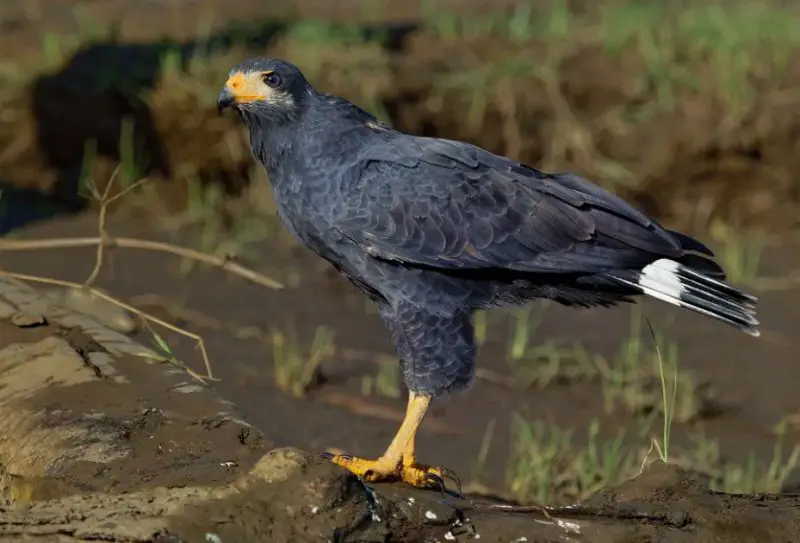
California has one of the richest raptor communities in North America. From coastal cliffs and desert basins to alpine forests and urban skylines, hawks are a constant presence across the state. Red-tailed hawks circle highways. Cooper’s hawks slip between backyard trees. Ferruginous hawks hunt open grasslands. Sharp-shinned hawks flash through forests during migration.
With this diversity comes confusion.
Birders, hikers, and homeowners regularly report hawks that look “wrong.” A bird with the body of one species and the tail of another. Plumage that does not match field guides. A hawk that seems too large, too dark, or too pale for its species.
These sightings raise a persistent question.
Are hawk hybrids being seen in California?
Unlike many hybrid myths involving mammals, this question deserves a careful, nuanced answer. Hawk hybridization is rare, but not impossible. At the same time, most reports of “hybrid hawks” are explained by something far more ordinary.
Table of Contents
- 1 California Hosts Exceptional Hawk Diversity
- 2 What People Usually Mean by “Hawk”
- 3 Hybridization in Hawks Is Biologically Possible
- 4 Documented Hawk Hybrids Do Exist
- 5 Why California Feels Like a Hotspot for Hybrids
- 6 Most “Hybrid Hawks” Are Not Hybrids
- 7 Juvenile Plumage Causes Major Confusion
- 8 Molt and Seasonal Change Alter Appearance
- 9 California Subspecies Add Complexity
- 10 Light, Distance, and Motion Distort Identification
- 11 Urban Hawks Behave Differently
- 12 Trail Cameras and Phone Photos Create Illusions
- 13 Which Hawk Hybrids Are Theoretically Possible
- 14 Why Hybrid Hawks Rarely Persist
- 15 Genetic Studies Do Not Support Widespread Hybridization
- 16 Why Hybrid Stories Spread So Easily
- 17 What Wildlife Experts Say
- 18 What To Do If You See an Unusual Hawk
- 19 Why This Matters
- 20 California Hawks Are Doing Well
- 21 FAQs About Hawk Hybrids in California
- 21.1 Are hawk hybrids actually being seen in California
- 21.2 Which hawk species can hybridize
- 21.3 Are most unusual hawks hybrids
- 21.4 Do red-tailed hawks hybridize often
- 21.5 Can hawks from different groups hybridize
- 21.6 Do juvenile hawks look different from adults
- 21.7 Can lighting and distance affect hawk identification
- 21.8 Are trail camera photos reliable for identifying hybrids
- 21.9 Do wildlife agencies consider hawk hybridization a concern
- 21.10 What should I do if I see an unusual hawk
- 22 Final Thoughts
California Hosts Exceptional Hawk Diversity
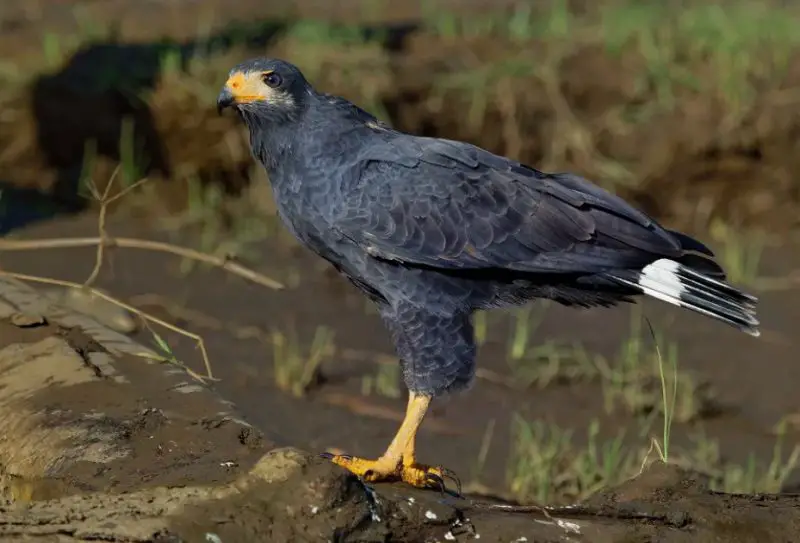
California’s size and ecological range make it unique.
Few states contain deserts, coastal wetlands, temperate rainforests, chaparral, alpine zones, and vast agricultural valleys within the same borders. Each habitat supports different raptor species.
Common hawks in California include red-tailed hawks, red-shouldered hawks, Cooper’s hawks, sharp-shinned hawks, ferruginous hawks, Swainson’s hawks, northern harriers, and rough-legged hawks during winter.
During migration, even more species pass through.
This overlap creates visual complexity. When multiple species share the same airspace, differences blur quickly.
What People Usually Mean by “Hawk”
One source of confusion begins with language.
Many people use the word “hawk” loosely. They apply it to almost any medium or large bird of prey, including falcons, eagles, and even owls in some cases.
True hawks in North America belong primarily to two groups. Buteos, such as red-tailed and red-shouldered hawks, are broad-winged soarers. Accipiters, such as Cooper’s and sharp-shinned hawks, are forest hunters built for speed and maneuverability.
Hybrids, when they occur, almost always involve species within the same group.
Hybridization in Hawks Is Biologically Possible
Unlike many mammals, birds hybridize more readily.
Among birds, hybridization is relatively common where closely related species overlap. Hawks are no exception, but there are limits.
Hybridization is biologically possible only between closely related species with compatible genetics and similar breeding behavior. Hawks from different genera do not hybridize.
This immediately narrows the list.
Documented Hawk Hybrids Do Exist
Hawk hybrids are not imaginary.
There are documented cases involving closely related species. The most frequently cited examples involve red-tailed hawks and red-shouldered hawks, as well as rare reports involving Swainson’s hawks and other Buteos.
These cases are exceptionally rare and usually documented by experienced ornithologists with photographs, measurements, and sometimes genetic testing.
They are the exception, not the rule.
Why California Feels Like a Hotspot for Hybrids
California produces more hybrid rumors than many states.
This is not because hybridization is more common, but because observation is more intense. California has a massive birding community, extensive trail camera use, dense urban populations, and year-round outdoor activity.
More eyes mean more reports.
Rare events feel common when observation increases.
Most “Hybrid Hawks” Are Not Hybrids
The vast majority of reported hawk hybrids in California fall into other categories.
Juvenile hawks often look nothing like adults. Seasonal molt changes feather color and pattern. Individual variation within species is enormous.
Red-tailed hawks alone display extreme color variation, ranging from very pale to nearly black. California hosts multiple subspecies, which adds another layer of complexity.
A hawk that looks unusual is usually still a pure species.
Juvenile Plumage Causes Major Confusion
Young hawks are the single biggest source of misidentification.
Juvenile red-tailed hawks lack the iconic red tail. Juvenile Cooper’s hawks have streaked underparts that differ from adults. Juvenile red-shouldered hawks show variable spotting and barring.
People expect adult field-guide images. When juveniles do not match, hybridization becomes an easy explanation.
In reality, age explains most cases.
Molt and Seasonal Change Alter Appearance
Hawks do not look the same year-round.
Feathers wear down, fade, and are replaced gradually. Molt can create patchy or asymmetrical plumage. Light reflecting off fresh feathers looks different than light reflecting off worn ones.
A molting hawk may appear mismatched or oddly patterned for weeks.
This temporary condition is often mistaken for genetic mixing.
California Subspecies Add Complexity
Several hawk species in California include multiple subspecies.
Red-tailed hawks alone have western, eastern, and regional forms that differ in belly bands, tail shade, and wing markings. Ferruginous hawks show variation based on age and region. Swainson’s hawks display light and dark morphs.
These natural forms can look dramatically different.
Subspecies variation is often misread as hybrid ancestry.
Light, Distance, and Motion Distort Identification
Most hawks are seen in flight.
Distance removes detail. Backlighting alters color. Heat shimmer blurs shape. Wing angle changes silhouette. Movement hides pattern.
Human brains fill in missing information.
A hawk gliding against a bright sky may look pale. The same bird against dark hills may look almost black.
Perception shifts faster than reality.
Urban Hawks Behave Differently
Behavior also fuels hybrid claims.
Urban hawks may hunt differently, perch lower, or tolerate humans more than rural individuals. Diet differences influence body condition and size.
A well-fed urban Cooper’s hawk may appear larger than expected. A rural one may look lean and long-tailed.
Behavioral variation is not genetic mixing.
Trail Cameras and Phone Photos Create Illusions
Modern technology increases confusion.
Wide-angle lenses stretch proportions. Digital zoom degrades detail. Night lighting exaggerates contrast. Compression alters color.
Photos without scale or context invite speculation.
An image that looks “wrong” often reflects camera limitations rather than biology.
Which Hawk Hybrids Are Theoretically Possible
In theory, hybrids can occur between closely related Buteos.
Examples sometimes discussed include red-tailed and red-shouldered hawks. Even these are extremely rare and require overlapping territories, synchronized breeding, and compatible behavior.
Accipiters rarely hybridize at all.
Cross-group hybrids do not occur.
Why Hybrid Hawks Rarely Persist
Even when hybridization occurs, it rarely leads to stable populations.
Hybrids may have reduced fertility, poor hunting efficiency, or mismatched behaviors. They often fail to reproduce successfully.
Natural selection removes combinations that do not work well.
This keeps species boundaries intact.
Genetic Studies Do Not Support Widespread Hybridization
Genetic analysis of hawk populations shows strong species separation.
If hybridization were common, mixed genetic signatures would appear regularly. They do not.
When hybrids are documented, they stand out precisely because they are rare.
California hawk populations remain genetically distinct.
Why Hybrid Stories Spread So Easily
Hybrid stories appeal to human curiosity.
They explain uncertainty. They feel exciting. They spread quickly online.
A rare or misidentified hawk becomes a story. Stories travel farther than corrections.
Repetition creates belief.
What Wildlife Experts Say
Ornithologists and wildlife agencies acknowledge that hawk hybrids are biologically possible but emphasize how rare they are.
Most unusual hawks are juveniles, color morphs, subspecies, or individuals seen under poor conditions.
Hybridization is not considered a conservation issue in California.
What To Do If You See an Unusual Hawk
Careful observation matters.
Note size, wing shape, tail length, flight style, habitat, and time of year. Compare juvenile and adult plumage. Consider subspecies variation.
Photographs help, but context matters more.
Avoid jumping to hybrid conclusions.
Why This Matters
Misidentifying hawks as hybrids may seem harmless, but it distorts understanding of raptor ecology.
Accurate identification helps conservation, education, and appreciation. Hawks are already complex and fascinating without needing to be something else.
California Hawks Are Doing Well
Despite urbanization and habitat change, many hawk species in California are stable or increasing.
They adapt to human landscapes while maintaining their biological identity.
Hybridization is not shaping their future.
FAQs About Hawk Hybrids in California
Are hawk hybrids actually being seen in California
Rarely. A few isolated cases involving closely related hawk species have been documented, but they are extremely uncommon.
Which hawk species can hybridize
Only very closely related species, usually within the same genus, such as certain Buteos.
Are most unusual hawks hybrids
No. Most are juveniles, color morphs, subspecies, or birds seen during molt.
Do red-tailed hawks hybridize often
No. Despite their variation, red-tailed hawks usually breed only with their own species.
Can hawks from different groups hybridize
No. Buteos, accipiters, and falcons do not hybridize with each other.
Do juvenile hawks look different from adults
Yes. Juveniles often lack adult markings and are frequently misidentified.
Can lighting and distance affect hawk identification
Yes. Backlighting, distance, and motion can drastically change perceived color and size.
Are trail camera photos reliable for identifying hybrids
Not always. Lens distortion and lack of scale can mislead identification.
Do wildlife agencies consider hawk hybridization a concern
No. It is not considered a population-level issue in California.
What should I do if I see an unusual hawk
Observe carefully, note behavior and habitat, and avoid assuming hybrid status.
Final Thoughts
Are hawk hybrids being seen in California?
In rare, isolated cases, closely related hawks may hybridize. These events are exceptional and well documented when they occur.
The vast majority of unusual hawk sightings are explained by age, molt, subspecies variation, lighting, or perception.
California’s hawks remain what they have always been. Diverse, adaptable, and unmistakably wild.
Understanding that truth replaces speculation with clarity and allows people to see these birds for what they truly are, not what mystery or imagination suggests.