
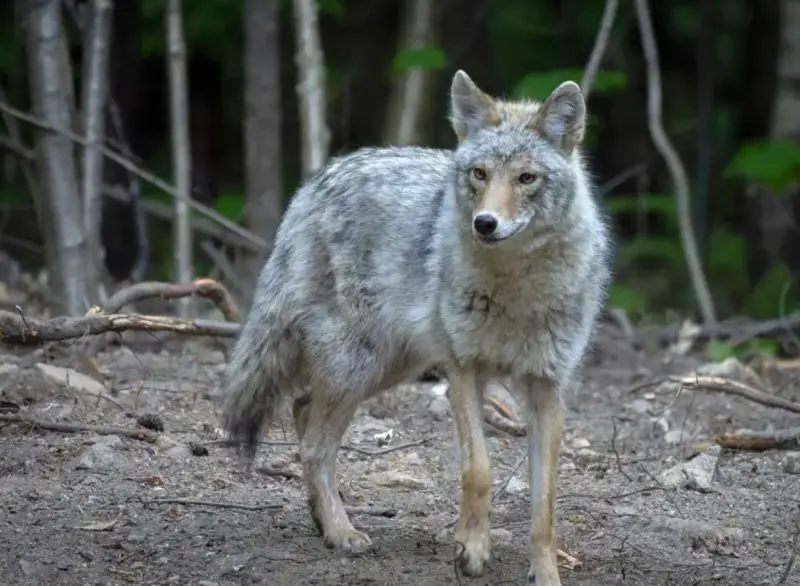
Coyotes are now a well-established presence across Vermont’s diverse natural landscapes. Once rare in New England, these adaptable predators now occupy forests, farmland edges, suburban greenbelts, and even areas close to towns. Their growing presence often sparks curiosity, especially when people wonder whether coyotes can mate with domestic dogs. Stories about so-called “coydogs” circulate widely, sometimes mixing fact with myth.
The reality is more nuanced. Biological compatibility exists between coyotes and dogs, yet successful hybridization is uncommon and influenced by behavioral, ecological, and seasonal factors. Understanding how these animals interact helps reduce unnecessary fear while promoting responsible pet ownership and wildlife coexistence.
This article explores the science behind coyote-dog breeding possibilities in Vermont, separating evidence from speculation while explaining what residents should realistically expect.
Table of Contents
- 1 Coyotes in Vermont Today
- 2 Biological Compatibility Between Coyotes and Dogs
- 3 How Breeding Cycles Create Natural Barriers
- 4 Behavioral Differences Between Coyotes and Dogs
- 5 Situations Where Hybridization Might Occur
- 6 Identifying Possible Coydog Hybrids
- 7 Behavior of Coydog Hybrids
- 8 Vermont Landscape Influences on Interaction
- 9 Risks to Domestic Dogs
- 10 Public Perception Versus Scientific Evidence
- 11 Ecological Role of Coyotes in Vermont
- 12 Human Influence on Interaction Rates
- 13 Wildlife Management Perspective in Vermont
- 14 Climate Change and Future Interaction Patterns
- 15 Practical Tips for Vermont Residents
- 16 FAQs About Coyotes Mating With Domestic Dogs in Vermont
- 16.1 Can coyotes and domestic dogs actually breed together?
- 16.2 Are coydog hybrids common in Vermont?
- 16.3 Are coydogs more aggressive than coyotes?
- 16.4 Do coyotes see domestic dogs as mates or threats?
- 16.5 What time of year could hybridization occur?
- 16.6 Are small dogs at risk from coyotes?
- 16.7 How can pet owners reduce coyote encounters?
- 16.8 Should sightings of possible hybrids be reported?
- 17 Final Thoughts
Coyotes in Vermont Today
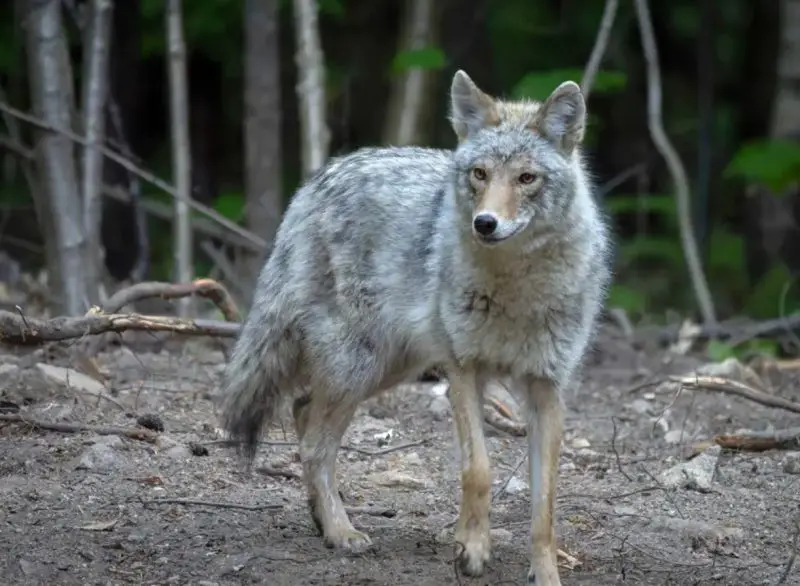
Coyotes are now established throughout Vermont. They expanded into the region during the twentieth century as forests regenerated, wolves disappeared from much of the Northeast, and adaptable mid-sized predators filled ecological niches. Today, they thrive across diverse landscapes.
Common Vermont habitats include forested hills, agricultural valleys, wetlands, river corridors, and suburban woodland edges. These environments provide cover, prey, and seasonal food sources. Coyotes are opportunistic omnivores, feeding on rodents, rabbits, deer carrion, fruit, insects, and occasionally livestock or pets when opportunity arises.
Despite their visibility in media reports, coyotes generally avoid humans. Most activity occurs at dawn, dusk, or nighttime. Many Vermonters live near coyotes without ever seeing one directly.
Their adaptability explains why questions about interaction with domestic animals continue to arise.
Biological Compatibility Between Coyotes and Dogs
From a biological perspective, coyotes (Canis latrans) and domestic dogs (Canis lupus familiaris) belong to the same genus, Canis. This shared ancestry means interbreeding is physically possible under certain circumstances. Offspring resulting from such pairings are sometimes referred to as coydogs.
Hybridization has been documented in parts of North America, especially where free-roaming dogs overlap with coyote territories. However, documented cases remain relatively rare compared with normal breeding within each species.
Several factors explain this rarity:
Coyotes prefer mating with their own species due to established social structures.
Domestic dogs often live under human supervision, reducing contact opportunities.
Behavioral differences complicate courtship interactions.
Biological compatibility alone does not guarantee frequent hybridization.
How Breeding Cycles Create Natural Barriers
Timing plays a major role in whether interbreeding occurs. Coyotes typically breed once annually, often between January and March in northern states like Vermont. This seasonal breeding aligns pup births with spring food abundance.
Domestic dogs, in contrast, may enter estrus multiple times per year depending on breed, health, and living conditions. This mismatch reduces the likelihood that both animals will be reproductively receptive simultaneously.
Even when overlap occurs, courtship behaviors differ. Coyotes form seasonal pair bonds, while domestic dogs often display different mating signals shaped by centuries of domestication.
These timing and behavioral differences significantly reduce hybridization probability.
Behavioral Differences Between Coyotes and Dogs
Behavioral compatibility matters as much as biological compatibility. Coyotes are cautious, territorial animals that rely heavily on scent marking, vocal communication, and subtle body language during courtship.
Domestic dogs vary widely in temperament. Some retain strong natural instincts, while others rely heavily on human interaction and may not respond appropriately to wild canid signals.
Coyotes may perceive unfamiliar dogs as territorial competitors rather than potential mates. Conflicts can occur, particularly during breeding season or pup-rearing periods.
Body size differences also influence interaction. Coyotes typically weigh between 20 and 45 pounds in Vermont, though eastern coyotes often appear larger due to historical wolf ancestry. Size mismatches can affect mating feasibility.
These behavioral barriers help explain why hybridization remains uncommon.
Situations Where Hybridization Might Occur
Although rare, certain circumstances can increase the possibility of coyote-dog mating.
Free-roaming or feral dogs present the highest likelihood. Without human supervision, they may enter wildlife habitats during coyote breeding season.
Habitat fragmentation can also influence encounters. Expanding suburbs sometimes create edge environments where domestic animals and wildlife overlap.
Disrupted coyote populations may alter behavior. Hunting pressure or loss of mates occasionally leads lone coyotes to seek alternative social interactions, though this does not always lead to breeding.
Even in these scenarios, successful hybridization remains infrequent compared with normal coyote reproduction.
Identifying Possible Coydog Hybrids
Visual identification of hybrids can be difficult. Coydogs may show intermediate traits, but natural variation within both species complicates assessment.
Possible hybrid characteristics sometimes reported include unusual coat patterns, intermediate body size, altered ear shape, or atypical behavior toward humans.
However, many pure coyotes display varied coloration, and some domestic dogs resemble wild canids. Misidentification is common.
DNA testing provides the most reliable confirmation. Wildlife agencies occasionally use genetic analysis when unusual animals are observed, but confirmed hybrids remain relatively uncommon.
Behavior of Coydog Hybrids
When hybridization occurs, behavior varies widely. Some hybrids display strong wild instincts similar to coyotes, including cautious human avoidance and nocturnal activity.
Others exhibit traits influenced by domestic ancestry, such as reduced fear of people or altered social behavior. This variability sometimes raises public concern, although stable hybrid populations rarely persist.
Most hybrids eventually integrate into wild coyote populations through backcrossing, gradually diluting domestic genetic influence over generations.
Hybrid behavior depends heavily on upbringing, environment, and individual temperament rather than genetics alone.
Vermont Landscape Influences on Interaction
Vermont’s landscape plays an important role in wildlife interactions. Extensive forests provide natural coyote habitat, while farmland and suburban edges offer supplemental food sources.
Domestic dogs generally remain near human homes, reducing sustained contact with wild coyotes. However, rural properties, open farmland, and forest edges sometimes create overlap zones.
Seasonal factors also matter. Winter food scarcity may increase wildlife movement, while summer pup-rearing periods heighten territorial behavior.
Despite these overlaps, coyotes typically maintain distance from heavily populated areas.
Risks to Domestic Dogs
While breeding between coyotes and dogs is possible, safety concerns are more immediate than hybridization.
Coyotes may view small dogs as potential prey, particularly during pup-rearing season when food demands increase. Larger dogs may trigger territorial defense behavior.
Supervising pets outdoors significantly reduces risk. Keeping dogs on leashes during walks near wooded areas helps prevent unexpected encounters.
Secure fencing, removal of outdoor food sources, and avoiding nighttime unsupervised activity further reduce potential conflict.
Responsible pet ownership remains the most effective preventive strategy.
Public Perception Versus Scientific Evidence
Stories about coydogs often spread quickly, especially when unusual animals are sighted. Media reports sometimes amplify speculation without scientific confirmation.
Research consistently shows hybridization occurs occasionally but not frequently enough to significantly alter coyote populations. Most sightings attributed to hybrids turn out to be normal coyotes or domestic dogs observed briefly.
Another common myth suggests hybrids are inherently more aggressive. Evidence does not support this claim consistently. Behavior reflects environment, experience, and individual traits more than hybrid status.
Education helps replace speculation with realistic understanding.
Ecological Role of Coyotes in Vermont
Coyotes serve important ecological functions. As mid-sized predators, they help regulate rodent populations, control rabbit numbers, and consume deer carrion. This contributes to ecosystem balance.
Predator presence supports biodiversity by maintaining natural population dynamics. Healthy coyote populations often indicate functioning ecosystems.
Occasional hybridization has not significantly affected this ecological role. Coyotes remain adaptable and ecologically valuable regardless of rare genetic mixing.
Understanding their role helps frame coexistence discussions constructively.
Human Influence on Interaction Rates
Human behavior strongly shapes wildlife encounters. Unsecured garbage, outdoor pet food, compost piles, and intentional wildlife feeding attract coyotes closer to residential areas.
Free-roaming pets increase opportunities for interaction. Neutering domestic dogs, supervising outdoor activity, and maintaining secure fencing reduce both hybridization risk and conflict potential.
Community education programs often emphasize coexistence strategies rather than fear-based responses.
Simple preventive measures usually prove highly effective.
Wildlife Management Perspective in Vermont
Wildlife agencies in Vermont focus primarily on population monitoring, habitat conservation, and conflict reduction. Hybridization concerns rarely drive management decisions because confirmed cases remain limited.
Education campaigns encourage residents to secure attractants, supervise pets, and understand wildlife behavior. These approaches reduce unnecessary conflict while preserving ecological balance.
Scientific monitoring ensures informed policy decisions.
Balanced management benefits both communities and ecosystems.
Climate Change and Future Interaction Patterns
Environmental changes may influence wildlife distribution over time. Warmer winters, altered prey patterns, and habitat shifts can affect coyote movement and behavior.
However, strong natural breeding preferences suggest hybridization will remain uncommon even as landscapes evolve.
Ongoing research helps track these trends and inform wildlife management strategies.
Adaptation, not alarm, remains the guiding principle.
Practical Tips for Vermont Residents
Simple steps reduce potential conflict with coyotes and minimize hybridization opportunities.
Keep dogs supervised outdoors, especially at night.
Use secure fencing where feasible.
Avoid leaving pet food outside.
Secure garbage and compost.
Educate family members about wildlife awareness.
These measures protect pets while supporting responsible coexistence with native wildlife.
Awareness often prevents problems more effectively than reactive measures.
FAQs About Coyotes Mating With Domestic Dogs in Vermont
Can coyotes and domestic dogs actually breed together?
Yes, it is biologically possible because both belong to the genus Canis. However, successful breeding in Vermont is uncommon due to behavioral differences, seasonal breeding cycles, and limited direct interaction.
Are coydog hybrids common in Vermont?
No. Confirmed coydog cases are rare. Most animals suspected to be hybrids turn out to be typical eastern coyotes or domestic dogs with unusual features.
Are coydogs more aggressive than coyotes?
There is no consistent scientific evidence that hybrids are more aggressive. Behavior usually depends on environment, upbringing, and individual temperament rather than hybrid status.
Do coyotes see domestic dogs as mates or threats?
Coyotes typically view unfamiliar dogs as territorial competitors or potential threats rather than mates. This greatly reduces the likelihood of breeding.
What time of year could hybridization occur?
Coyotes usually breed once a year, typically late winter in Vermont. Because dogs can breed multiple times yearly, overlapping timing is limited, which reduces chances of mating.
Are small dogs at risk from coyotes?
Yes. Small dogs may be viewed as prey, especially during pup-rearing season. Supervising pets outdoors is strongly recommended.
How can pet owners reduce coyote encounters?
Keep dogs supervised, avoid leaving pet food outside, secure trash, maintain fencing, and limit nighttime outdoor activity near wooded areas.
Should sightings of possible hybrids be reported?
If an animal appears unusually bold or distinctive, contacting local wildlife authorities can help experts assess the situation. DNA testing is the only reliable confirmation method.
Final Thoughts
Coyotes are now an established part of Vermont’s natural landscape, reflecting the adaptability of wildlife in changing environments. While coyotes and domestic dogs are biologically capable of interbreeding, successful hybridization remains relatively uncommon due to behavioral differences, breeding cycle mismatches, and habitat separation.
The more immediate concern for pet owners involves safety rather than hybrid offspring. Responsible pet supervision, habitat awareness, and simple preventive practices significantly reduce risks.
Understanding wildlife through scientific evidence helps replace myths with balanced perspective. Coyotes play valuable ecological roles, and coexistence is both possible and practical when communities stay informed.
Knowledge fosters confidence. Awareness supports harmony. And informed coexistence benefits both people and wildlife across Vermont’s diverse landscapes.