
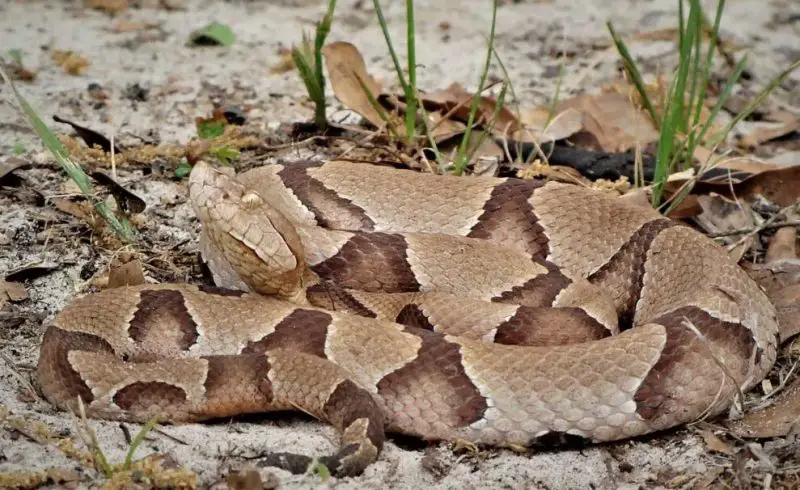
Copperheads live closer to many Texas communities than most residents realize. People expect to see them in remote woods, rocky hills, or deep rural land, but more and more Texans are spotting them in neighborhoods, near homes, parks, trails, and even in places where families spend time daily. When someone finally encounters one, the reaction is usually shock, fear, and a long list of questions that rarely get answered accurately.
The truth many Texans do not know is that copperheads are not rare here. They are not recent arrivals. They have lived in Texas landscapes long before modern neighborhoods, highways, and growing communities existed. They survive extremely well near human environments, and they are one of the most commonly encountered venomous snakes in the state. At the same time, most misconceptions about them come from fear, old myths, or social media exaggeration rather than real science.
This detailed guide explores the real truth about copperheads in Texas communities. You will learn why they appear so often, where they usually hide, what makes them successful in suburban environments, how dangerous their bites truly are, why they rarely “hunt” humans like some imagine, what role they play in ecosystems, and how Texas residents can stay safer without unnecessary panic.
Table of Contents
- 1 What Exactly Is a Texas Copperhead?
- 2 Why Copperheads Are So Common in Texas Neighborhoods
- 3 Copperheads Are Not Invading — People Have Moved Into Their Land
- 4 Why Copperhead Bites Happen More Than Some Other Venomous Snakes
- 5 Are Copperheads Aggressive in Texas Communities?
- 6 How Dangerous Is a Copperhead Bite in Texas?
- 7 The Strange Truth: Copperheads Thrive Where Humans Live
- 8 Where Texans Most Often Encounter Copperheads
- 9 Why Dogs and Children Are at Higher Risk
- 10 When Copperheads Are Most Active in Texas
- 11 Do Copperheads Actually Benefit Texas Ecosystems?
- 12 Myths Texans Commonly Believe About Copperheads
- 13 Why Fear Alone Is Dangerous in Texas Communities
- 14 How To Reduce Copperhead Risk Around Texas Homes
- 15 Why Most Encounters Never End Badly
- 16 The Reality Texans Should Accept
- 17 FAQs About Copperheads in Texas Communities
- 18 Final Thoughts
What Exactly Is a Texas Copperhead?
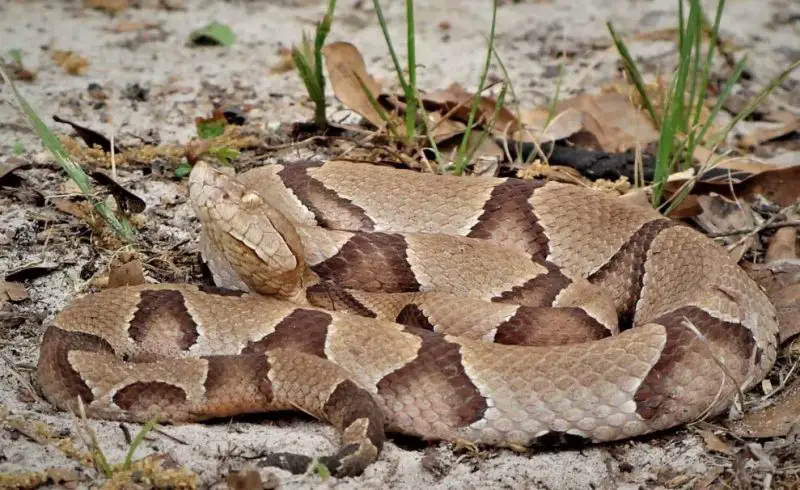
The copperhead (Agkistrodon contortrix) is a venomous pit viper native to Texas and many surrounding states. There are multiple regional copperhead types in Texas, including:
• Southern copperheads
• Broad-banded copperheads
• Trans-Pecos copperheads in limited western areas
They share several defining traits:
• a distinct copper-colored head
• thick, muscular body
• strong camouflage patterns
• heat-sensing facial pits
• hinged fangs capable of venom injection
Copperheads rely more on stealth than speed. They are ambush predators, meaning they wait quietly for prey rather than chasing it down.
Their diet includes:
• mice
• rats
• small mammals
• frogs
• lizards
• birds
• insects (including cicadas when populations boom)
That diet is one of the biggest reasons they thrive near neighborhoods — because neighborhoods unintentionally provide constant food sources.
Why Copperheads Are So Common in Texas Neighborhoods
Many venomous snake species struggle when humans develop land. Copperheads adapt instead. They do not require pristine wilderness to survive. They do not need huge forest territories. They simply need hiding places, warmth, water, and prey. Texas communities provide all of that naturally.
Several factors make neighborhoods perfect copperhead environments:
• abundant rodents around homes and trash areas
• shaded places under decks, sheds, steps, and porches
• landscaping elements like mulch beds and shrubs
• rock gardens and retaining walls
• woodpiles and brush piles near houses
• drainage areas, creeks, and greenbelts
To copperheads, many Texas communities look like ready-made habitat zones. So while residents may feel shocked to see one near their home, the snake likely thinks it has found a perfect survival environment.
Copperheads Are Not Invading — People Have Moved Into Their Land
One truth many Texans overlook is simple: copperheads already lived here first. Communities expanded into their natural range. Instead of disappearing, copperheads stayed. They learned to adjust quietly, living alongside residents who rarely even notice them until a sudden encounter happens.
They are masters of camouflage. Their coloration blends with leaves, rocks, dirt, bark, and mulch so perfectly that many people walk past them daily without ever realizing it. This ability to blend means they do not need to flee constantly. They simply remain still, confident that humans will never see them.
That very behavior leads to many bites.
Why Copperhead Bites Happen More Than Some Other Venomous Snakes
Copperheads are responsible for a large number of venomous snake bites across the region, not because they are more aggressive, but because they rely heavily on camouflage instead of fleeing. When threatened, many snakes escape. Copperheads often freeze.
When someone:
• steps on one barefoot in the yard
• reaches under a bush
• grabs firewood
• kneels in a garden bed
• sits on rocks or logs
• walks near creeks at dusk
the snake may strike defensively. Bites are defensive survival reactions, not intentional attacks. Copperheads bite to protect themselves when they feel trapped or pressured.
Are Copperheads Aggressive in Texas Communities?
No. Copperheads are defensive, not actively aggressive. They do not chase people down streets. They do not stalk communities hunting humans. They do not go looking for conflict.
Most copperheads remain still when approached. If they feel truly threatened, they may coil and strike.
They bite primarily when:
• stepped on accidentally
• picked up
• cornered
• threatened directly
• attacked or provoked
They would much rather be left alone.
How Dangerous Is a Copperhead Bite in Texas?
A copperhead bite is serious, but it is rarely fatal with modern treatment. Their venom is hemotoxic. That means it affects blood and tissue. A bite may cause:
• sharp immediate pain
• swelling
• bruising
• tissue damage
• nausea or weakness in some individuals
Children, elderly people, and medically vulnerable individuals face more risk. Dogs and cats are also frequent victims and require immediate veterinary care.
Texas residents should treat every copperhead bite as a medical emergency. Quick medical attention greatly improves outcomes.
The Strange Truth: Copperheads Thrive Where Humans Live
Unlike many wildlife species that disappear when development increases, copperheads remain surprisingly resilient. They survive in:
• suburbs
• small towns
• rural properties
• wooded neighborhoods
• parks and recreational areas
They do not need huge wilderness zones. They do not need isolation. They simply need moderate cover and prey. Human environments naturally create both.
Mulch beds mimic natural forest floors.
Wood piles resemble natural shelters.
Neighborhood rodents provide abundant meals.
So instead of fading away, copperheads often coexist silently with human life.
Where Texans Most Often Encounter Copperheads
Most real encounters happen during normal daily activities. Common situations include:
• mowing grass
• working in flower beds
• cleaning wood piles
• walking near creeks
• hiking
• sitting on rocks
• lifting outdoor objects that have been undisturbed
They may also appear near:
• playground edges
• fences
• shaded corners
• driveways near brush
• neighborhood trails
Anywhere that mixes warmth, shade, prey, and cover increases encounter chances.
Why Dogs and Children Are at Higher Risk
Children explore hands-first. Dogs explore nose-first. Neither instinct pairs well with a venomous snake hiding nearby. Many bites happen when a child reaches into bushes or when a curious dog runs toward a snake to investigate.
Dogs often receive facial bites. These can become extremely swollen and painful. Veterinary treatment is urgent.
Teaching awareness helps protect both pets and children.
When Copperheads Are Most Active in Texas
Activity increases with warmth. Texans are most likely to see copperheads during:
• spring
• summer
• early fall
They move most at dusk and nighttime in hot weather but may bask during cooler mornings. Rain sometimes increases activity because frogs and small prey become more active too.
Juvenile copperheads appear most in late summer and early fall. Young snakes are already venomous.
Do Copperheads Actually Benefit Texas Ecosystems?
Yes. Copperheads are not simply “dangerous pests.” They matter to ecosystems. They help control rodent populations. Without predators like copperheads, mice and rats multiply rapidly, damage homes, invade storage buildings, affect agriculture, and spread disease.
Copperheads contribute to:
• rodent control
• natural balance
• predator-prey health
• ecosystem stability
They are part of Texas’ natural heritage, not intruders.
Myths Texans Commonly Believe About Copperheads
Myth: They chase people
Truth: They defend, not hunt humans
Myth: They attack without warning
Truth: Most bites happen because they were stepped on or grabbed
Myth: Killing snakes makes neighborhoods safer
Truth: Awareness and smart prevention are far safer
Myth: All copperheads are extremely aggressive
Truth: They rely mostly on camouflage and defense
Myth: They only live in forests
Truth: They thrive in many Texas neighborhoods
Fear grows because myths spread faster than facts. Knowledge reduces fear.
Why Fear Alone Is Dangerous in Texas Communities
Fear causes bad reactions. People panic, run blindly, attack snakes instantly, or put themselves closer trying to kill them. Fear leads to unnecessary killing of wildlife and creates risk rather than reducing it.
Respect is far more effective than fear. Copperheads deserve respect for their danger, but also for their role in nature. Smart awareness keeps people safer than anger or panic.
How To Reduce Copperhead Risk Around Texas Homes
Copperheads cannot be eliminated from the state, but risk can be lowered significantly with simple habits. These numbered actions help:
-
Keep yards trimmed and reduce thick brush near homes.
-
Store firewood raised off the ground and away from the house.
-
Seal trash, remove food attractants, and reduce rodent activity.
-
Be cautious with mulch beds, rock gardens, and dense shrubs.
Wear boots when working outdoors. Do not stick hands into unseen places. Teach children awareness. Protect pets.
Small steps make a big difference.
Why Most Encounters Never End Badly
Despite being venomous, most encounters end without bites. Copperheads often freeze. People back away. The snake leaves or remains hidden. Millions of Texans live near copperheads every year without a single incident.
Bites happen mostly due to surprise or provocation. Remove those two elements, and danger drops dramatically.
The Reality Texans Should Accept
Copperheads in Texas communities are:
common
quiet
well camouflaged
often unnoticed
medically important
part of natural Texas wildlife
They are not monsters invading cities. They are native predators surviving successfully in changing environments.
Texas remains a place where real nature still lives close to daily life. Copperheads are proof.
By understanding them instead of fearing blindly, Texans can live more confidently, stay safer, protect pets and families, and still respect the wildlife that has always called this land home.
FAQs About Copperheads in Texas Communities
Are copperheads common in Texas neighborhoods?
Yes. They are one of the most frequently encountered venomous snakes in Texas.
Are they aggressive?
They are defensive and usually bite when stepped on, grabbed, or cornered.
How dangerous is a bite?
It is serious and requires medical care, but fatalities are rare with treatment.
Why are they near houses?
Food, shelter, warmth, landscaping, and rodents attract them.
Where do people most often encounter them?
Yards, garden beds, woodpiles, creeks, and shaded outdoor areas.
Do they benefit ecosystems?
Yes. They help control rodent populations naturally.
How can Texans reduce risk?
Maintain yards, reduce rodent attractants, stay aware, supervise pets, and avoid handling snakes.
Final Thoughts
The truth few people know about copperheads in Texas communities is that they are not sudden invaders, not mythical monsters, and not going away. They are long-term native residents who quietly adapt, survive, and coexist with modern life. They can be dangerous, but they are also valuable parts of Texas ecosystems.
Fear alone does not help. Knowledge does.
By learning where copperheads live, why they appear, how they behave, what dangers are real, and how to avoid risky encounters, Texans can respect these snakes without letting them dominate daily life. Stay aware. Give space. Protect your family and pets. And remember — living in Texas still means living in a place where real wildlife exists nearby, and that includes the copperhead.