
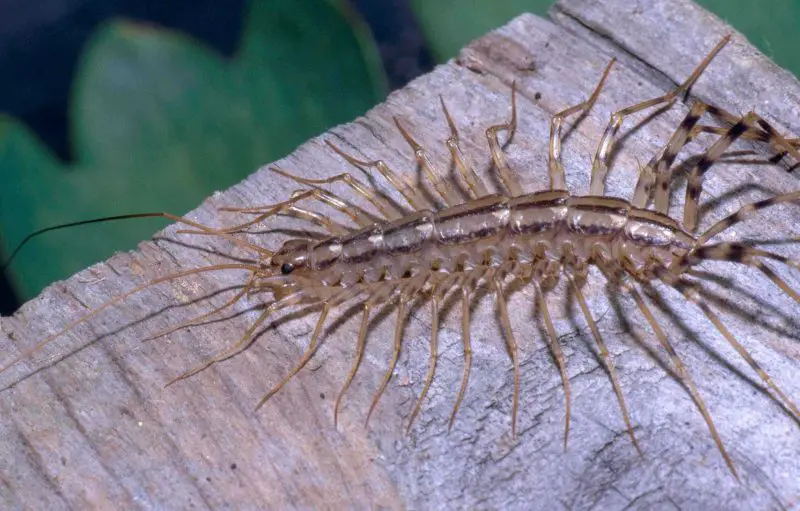
For many Ohio homeowners, basements are quiet, out-of-the-way spaces. Storage boxes sit untouched for months. Laundry hums in the background. Pipes run behind walls, mostly unnoticed. Then one night, a long, fast-moving shape streaks across the floor or disappears behind a box. The reaction is almost always the same. Shock. Discomfort. And confusion about how it got there so suddenly.
Centipedes appearing in Ohio basements often feel like an invasion that happened overnight. One week there is nothing. The next, one or two appear without warning. Sometimes more follow. Because centipedes move quickly and look unusual, their presence feels more alarming than that of many other household pests.
In reality, centipedes do not arrive suddenly at random. Their appearance in basements follows clear environmental and biological patterns tied closely to Ohio’s climate, home construction, and seasonal changes. When those patterns line up, basements become one of the most attractive indoor spaces available.
This article explains why centipedes suddenly show up in Ohio basements, where they come from, what they are responding to, and what their presence actually means. When the reasons are clear, the situation becomes easier to manage calmly and effectively.
Table of Contents
- 1 Centipedes Are Predators, Not Invaders
- 2 Why Basements Are Prime Habitat in Ohio
- 3 Ohio’s Seasonal Weather Plays a Major Role
- 4 Why They Appear “All at Once”
- 5 House Centipedes Are the Most Common Culprit
- 6 Moisture Matters More Than Cleanliness
- 7 Why Basements Near Wooded Areas See More Activity
- 8 How Centipedes Enter Basements
- 9 Why They Are Often Seen Near Drains and Walls
- 10 Are Centipedes Dangerous?
- 11 Why Killing One Does Not Solve the Problem
- 12 The Role of Basements as Insect Highways
- 13 Why Dehumidifiers Make a Difference
- 14 Why They Appear More After Rain
- 15 Common Mistakes Homeowners Make
- 16 What Homeowners Can Realistically Do
- 17 When Centipedes Indicate a Larger Issue
- 18 Why Seeing One Feels So Disturbing
- 19 Seasonal Patterns in Ohio Basements
- 20 What Centipedes Are Not
- 21 FAQs About Centipedes in Ohio Basements
- 21.1 Why do centipedes suddenly appear in basements?
- 21.2 Are centipedes harmful to humans?
- 21.3 Do centipedes mean my basement is dirty?
- 21.4 Will centipedes go away on their own?
- 21.5 Should I spray centipedes?
- 21.6 Why do I see them near drains?
- 21.7 Are centipedes worse after rain?
- 21.8 When should I call a professional?
- 22 Conclusion
Centipedes Are Predators, Not Invaders
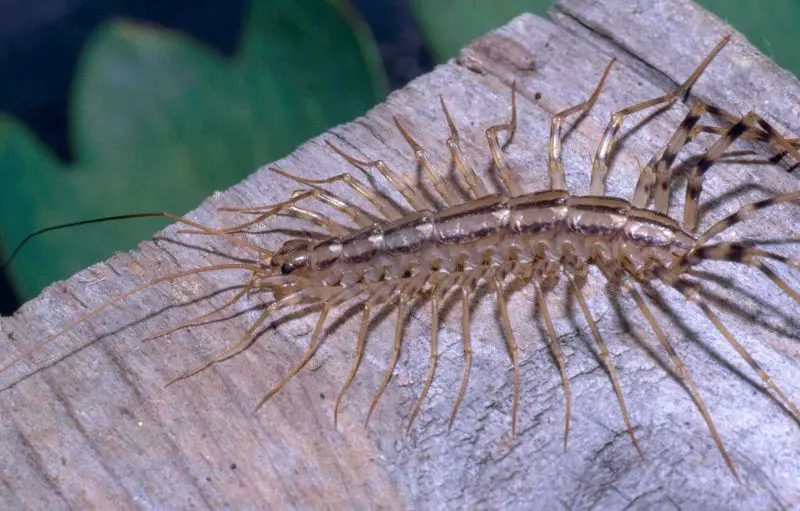
One of the most important facts homeowners overlook is that centipedes are not scavengers. They are predators.
Unlike insects that enter homes searching for crumbs or trash, centipedes hunt other small arthropods. Spiders, silverfish, ants, flies, and even cockroach nymphs are common prey.
This means centipedes do not move into basements unless something else is already present. Their appearance is often a sign of an existing insect population, even if that population remains hidden.
In this sense, centipedes are responders rather than initiators. They follow food, not clutter.
Why Basements Are Prime Habitat in Ohio
Ohio basements offer nearly perfect conditions for centipedes.
Basements tend to stay cooler and more humid than upper floors. Concrete walls absorb moisture from surrounding soil. Pipes create condensation. Floor drains retain humidity. Even finished basements often have small damp zones behind walls or near utility areas.
Centipedes need moisture to survive. Dry environments dehydrate them quickly. Basements provide stable humidity, darkness, and minimal disturbance, which closely matches their natural outdoor habitat under rocks, logs, and leaf litter.
When conditions outside become unfavorable, basements feel like safe ground.
Ohio’s Seasonal Weather Plays a Major Role
Ohio experiences pronounced seasonal shifts. Cold winters, wet springs, hot summers, and fluctuating fall temperatures all influence centipede behavior.
In spring and early summer, heavy rain saturates soil. This drives many ground-dwelling insects to seek drier shelter. As prey insects move, centipedes follow.
In fall, dropping temperatures push arthropods closer to structures that retain heat. Basements stay warmer than the surrounding ground as cold air settles.
During winter, centipedes already indoors may remain active in basements because indoor temperatures stay above freezing.
These seasonal pressures create waves of movement that often appear sudden to homeowners.
Why They Appear “All at Once”
Centipedes are nocturnal and secretive. They avoid light and human activity whenever possible.
Most centipedes are already present long before they are seen. They hide behind walls, beneath baseboards, under storage items, or inside cracks in foundation walls. Nighttime activity is when they hunt.
A sudden sighting often occurs when environmental conditions change. A heavy rain. A temperature drop. A furnace turning on. A dehumidifier failing. These shifts bring centipedes into open areas briefly.
The impression of sudden arrival is usually a moment of exposure, not a new invasion.
House Centipedes Are the Most Common Culprit
In Ohio basements, the most commonly encountered species is the house centipede.
House centipedes are easily recognized by their long legs and rapid movement. They look more alarming than they are dangerous. Their speed allows them to hunt effectively in dark, cluttered spaces.
They prefer areas where insects gather. Basements provide access to wall voids, floor drains, and plumbing routes used by prey.
Their ability to climb walls and ceilings also allows them to move vertically within homes.
Moisture Matters More Than Cleanliness
Many homeowners assume centipedes indicate a dirty basement. This is rarely accurate.
Centipedes respond to moisture first. Clean basements with humidity problems attract them just as easily as cluttered ones.
Leaky pipes, foundation seepage, condensation on walls, and poorly ventilated spaces create microhabitats that support insects. Centipedes follow those insects.
Reducing moisture often has a greater impact than cleaning alone.
Why Basements Near Wooded Areas See More Activity
Homes near wooded lots, creek beds, or undeveloped land experience higher centipede pressure.
Outdoor populations thrive in leaf litter and soil rich in organic matter. When weather forces movement, nearby structures become the next refuge.
Basements closest to soil contact see the earliest and highest activity. Crawl spaces and older foundations without full moisture barriers are especially vulnerable.
Location matters as much as structure.
How Centipedes Enter Basements
Centipedes enter basements through small openings most people never notice.
Cracks in foundation walls, gaps around utility lines, loose window wells, floor drains, and sump pump pits all provide access. Even tiny openings are enough.
They do not chew their way in. They exploit existing vulnerabilities.
Once inside, they disperse quietly through wall voids and along edges.
Why They Are Often Seen Near Drains and Walls
Centipedes rely on edge-following behavior. They move along walls rather than across open spaces.
This behavior explains why sightings often occur along baseboards, near drains, or in corners. These areas also retain moisture and attract prey insects.
Drains and sump areas are especially attractive because they provide humidity and insect traffic.
Seeing a centipede near a drain does not mean it came from the sewer. It means the environment is suitable.
Are Centipedes Dangerous?
Centipedes can bite, but bites are rare and typically mild. House centipedes are not aggressive and avoid contact whenever possible.
Their venom is used to subdue prey, not defend against humans. Bites usually occur only when a centipede is trapped or handled.
They do not spread disease and do not damage structures.
Their primary impact is psychological rather than physical.
Why Killing One Does Not Solve the Problem
Killing a visible centipede removes a symptom, not the cause.
If centipedes are present, food sources and environmental conditions remain. New individuals may appear.
Effective management focuses on reducing prey insects and controlling moisture rather than targeting centipedes alone.
In some cases, centipedes disappear naturally once prey populations decline.
The Role of Basements as Insect Highways
Basements connect multiple systems in a home. Plumbing, electrical conduits, HVAC ducts, and drainage lines all pass through.
These systems create warm, humid corridors used by insects. Centipedes use the same corridors while hunting.
This is why basements often see more activity than living areas.
Why Dehumidifiers Make a Difference
Lowering humidity changes the entire basement ecosystem.
Drier conditions reduce insect survival. Without insects, centipedes leave or fail to thrive.
Consistent humidity control often reduces centipede sightings significantly within weeks.
Sudden increases in sightings may indicate equipment failure or seasonal moisture changes.
Why They Appear More After Rain
Heavy rain affects both outdoor and indoor environments.
Water seeps into soil around foundations. Humidity rises inside basements. Insects seek refuge. Centipedes follow.
Rain-driven movement is temporary but intense. Sightings often peak shortly after storms.
Understanding this timing helps predict and manage appearances.
Common Mistakes Homeowners Make
Many homeowners respond with surface sprays or foggers. These rarely address the root issue.
Sprays kill exposed centipedes but do not affect hidden prey populations. Foggers may push centipedes deeper into walls.
Another mistake is sealing only visible cracks without addressing moisture.
Effective management requires a broader view.
What Homeowners Can Realistically Do
While structural changes may be limited, several steps help reduce centipede activity.
Managing humidity, sealing obvious entry points, fixing leaks, and reducing insect populations make basements less attractive.
Removing clutter improves airflow and reduces hiding spaces.
These actions work together rather than individually.
When Centipedes Indicate a Larger Issue
Occasionally, frequent centipede sightings signal chronic moisture problems.
Persistent foundation seepage, poor drainage, or hidden leaks support long-term insect populations.
In these cases, addressing the underlying moisture issue resolves multiple pest problems at once.
Why Seeing One Feels So Disturbing
Centipedes trigger strong reactions due to their appearance and movement.
Fast motion, many legs, and unexpected encounters create discomfort even when danger is minimal.
Understanding their role as predators often reframes fear into tolerance.
Knowledge restores a sense of control.
Seasonal Patterns in Ohio Basements
Centipede sightings peak during spring and fall.
Spring brings moisture and insect movement. Fall brings temperature shifts and indoor migration.
Winter sightings usually involve individuals already inside.
Summer sightings may decrease if basements remain dry.
What Centipedes Are Not
They are not signs of infestation failure. They are not evidence of filth. They are not aggressive invaders.
They are part of Ohio’s ecosystem adapting to human structures.
Recognizing this reduces unnecessary stress.
FAQs About Centipedes in Ohio Basements
Why do centipedes suddenly appear in basements?
Changes in moisture, temperature, or prey movement push them into visible areas.
Are centipedes harmful to humans?
No. Bites are rare and usually mild.
Do centipedes mean my basement is dirty?
No. Moisture and insects matter more than cleanliness.
Will centipedes go away on their own?
Often yes, especially if humidity decreases.
Should I spray centipedes?
Spraying provides short-term relief but does not solve underlying causes.
Why do I see them near drains?
Drains attract moisture and insects, which centipedes follow.
Are centipedes worse after rain?
Yes. Rain increases moisture and insect movement.
When should I call a professional?
If sightings are frequent and moisture issues persist.
Conclusion
Centipedes suddenly show up in Ohio basements because the conditions align in their favor. Moisture, insects, and shelter draw them in, especially during seasonal transitions and after heavy rain.
They are not invading with intent. They are responding to environmental cues.
By understanding what centipedes need and why basements provide it, homeowners can respond calmly and effectively. Managing moisture and insect populations turns surprise encounters into manageable, temporary events rather than ongoing concerns.