
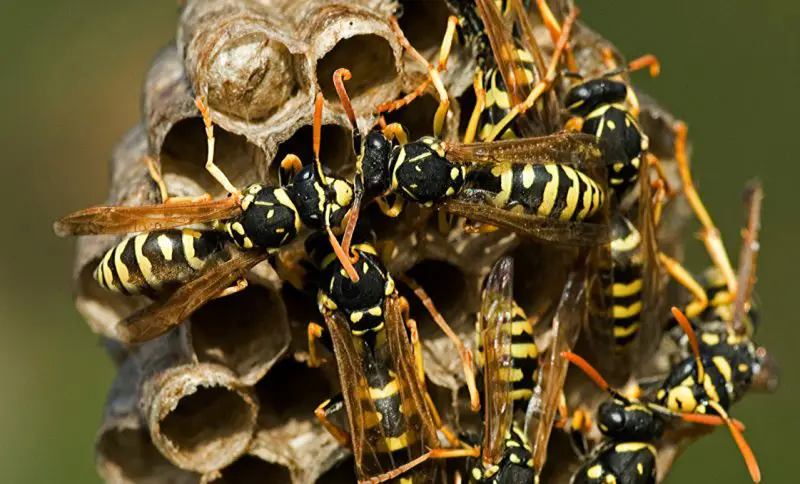
Across Ohio, many residents describe the same unsettling shift. For most of the summer, wasps seem manageable. They buzz near trash cans, hover around grills, then move on. People coexist with them without much thought.
Then, almost overnight, something changes.
Wasps begin charging instead of circling. They react faster. They sting with little warning. Routine activities like mowing the lawn, walking to the mailbox, or sitting on a porch suddenly feel risky.
To many homeowners, this feels like unexplained aggression.
But the behavior is not random, and it is not personal. Sudden wasp aggression in Ohio neighborhoods is driven by predictable biological triggers, seasonal timing, environmental pressure, and human behavior intersecting at the wrong moment.
Once those factors are understood, the shift stops feeling mysterious and starts making sense.
Table of Contents
- 1 “Aggression” Is Not How Wasps Experience the World
- 2 Ohio’s Seasonal Cycle Sets the Stage
- 3 Colony Size Changes Everything
- 4 Why Late Summer Is the Most Dangerous Period
- 5 The Role of Hormonal Shifts
- 6 Why Ohio Neighborhoods Trigger Conflict
- 7 Vibration Is a Major Trigger
- 8 Why People Are Stung “Out of Nowhere”
- 9 Alarm Pheromones Escalate Instantly
- 10 Why Swatting Makes Things Worse
- 11 Yellowjackets Are the Primary Aggressors
- 12 Why Bald-Faced Hornets Feel Especially Dangerous
- 13 European Hornets Add Nighttime Risk
- 14 Food Competition Increases Hostility
- 15 Why Wasps Target Faces and Hands
- 16 Weather Changes Can Trigger Aggression
- 17 Why Aggression Peaks Right Before First Frost
- 18 Alcohol and Sweet Scents Increase Risk
- 19 Why Children and Pets Are Often Stung
- 20 Aggression Does Not Mean Infestation Growth
- 21 Why Killing Individual Wasps Does Not Solve the Problem
- 22 When Professional Intervention Is Necessary
- 23 What Homeowners Can Do Immediately
- 24 Why Sudden Aggression Is Temporary
- 25 Misunderstanding Fuels Fear
- 26 FAQs About Sudden Wasp Aggression in Ohio
- 26.1 Why do wasps suddenly become aggressive?
- 26.2 Are wasps more aggressive in Ohio than other states?
- 26.3 Which wasps are most aggressive?
- 26.4 Why do stings happen without warning?
- 26.5 Does killing wasps reduce aggression?
- 26.6 When does aggression stop?
- 26.7 Should I avoid yard work?
- 26.8 Is professional removal necessary?
- 27 Conclusion
“Aggression” Is Not How Wasps Experience the World
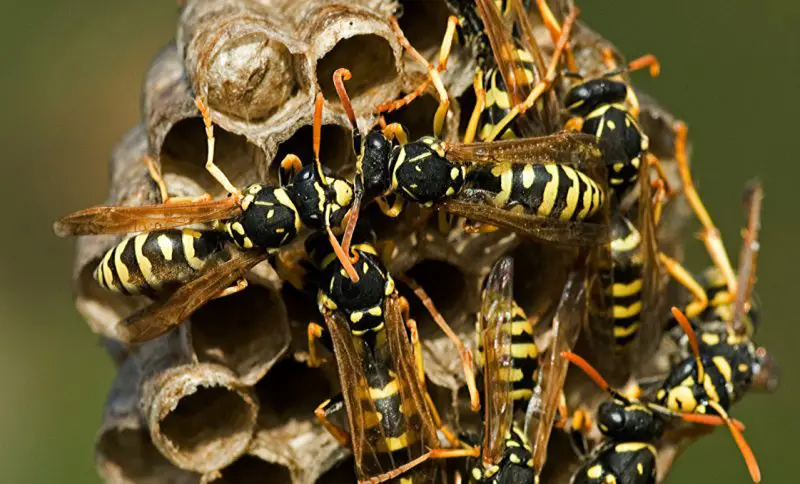
The first thing to understand is that wasps are not aggressive in the human sense.
They do not become angry. They do not hold grudges. They do not attack for dominance or emotion.
What people experience as aggression is a defensive response amplified by timing, numbers, and proximity.
Wasps operate on instinct. When certain thresholds are crossed, their behavior changes abruptly. That change is what people notice.
Ohio’s Seasonal Cycle Sets the Stage
Ohio’s climate plays a central role in wasp behavior.
Spring and early summer are periods of growth. Colonies are small. Workers focus on building nests, gathering food, and expanding population.
During this phase, wasps are relatively tolerant. They are busy. They avoid conflict unless directly threatened.
Late summer and early fall are different.
By this point, colonies are large, crowded, and under pressure. Resources become scarce. Temperatures fluctuate. The biological purpose of the colony begins to shift.
This is when aggression appears to spike.
Colony Size Changes Everything
Early in the season, a nest may contain dozens of wasps.
Later, it may contain thousands.
Large colonies amplify defensive behavior. More workers means faster response times. Alarm signals spread instantly. What might have triggered one wasp in June can trigger dozens in August.
From a homeowner’s perspective, the wasps did not change location. The reaction changed.
Why Late Summer Is the Most Dangerous Period
Late summer is the peak danger window in Ohio.
Colonies are at maximum size. Queens are still present. Workers are highly invested in defense.
At the same time, natural food sources decline. Insects thin out. Nectar sources fade. Competition increases.
Hungry wasps are more reactive.
Any disturbance near a nest is treated as a serious threat.
The Role of Hormonal Shifts
As fall approaches, the internal chemistry of the colony changes.
Worker wasps experience hormonal shifts tied to the end of the reproductive cycle. Their purpose narrows. There is less to gain from tolerance and more to lose from retreat.
Defense becomes the priority.
This shift is biological, not situational.
Why Ohio Neighborhoods Trigger Conflict
Suburban Ohio neighborhoods unintentionally create ideal conflict zones.
Homes provide nesting sites. Eaves, wall voids, sheds, and attics offer protection. Trees and hedges offer cover.
At the same time, human activity increases. Lawnmowers, leaf blowers, grills, and outdoor gatherings become common.
The result is constant vibration, movement, and intrusion near nests.
From the wasp’s perspective, threats are everywhere.
Vibration Is a Major Trigger
One of the most overlooked triggers is vibration.
Wasps are extremely sensitive to it. Mowers, weed trimmers, power tools, and even heavy footsteps can register as an attack.
Vibration travels through walls, trees, and ground.
A nest hidden inside a wall may respond violently to a mower outside, even if no wasps are visible.
Why People Are Stung “Out of Nowhere”
Many stings feel unprovoked because the nest is unseen.
Wasps often build nests in concealed locations. Inside siding. Behind shutters. Underground. In hollow trees.
A person may unknowingly walk through a defensive perimeter without ever seeing the nest.
The sting feels sudden because the warning signs were invisible.
Alarm Pheromones Escalate Instantly
When one wasp perceives a threat, it releases alarm pheromones.
These chemical signals are powerful and immediate. Nearby wasps detect them instantly and join the defense.
This is why one sting often leads to many.
Once alarm pheromones are released, aggression escalates rapidly.
Why Swatting Makes Things Worse
Swatting at wasps is one of the most common mistakes.
A swatted wasp releases alarm pheromones as it is injured or killed. That signal draws more wasps into attack mode.
What started as a single encounter can turn into a swarm response.
Remaining calm and moving away is far safer.
Yellowjackets Are the Primary Aggressors
In Ohio, yellowjackets are responsible for most aggressive encounters.
They nest underground or in wall cavities. Their nests are often invisible. Their colonies grow large.
Yellowjackets also scavenge aggressively, bringing them into direct contact with people around food and trash.
They are far more defensive than paper wasps or solitary species.
Why Bald-Faced Hornets Feel Especially Dangerous
Bald-faced hornets, despite being aerial yellowjackets, are often perceived as more aggressive.
Their nests are large and visible, often in trees. Their defense radius is wide. Their response is fast.
When their nest is disturbed, they pursue perceived threats longer than many other wasps.
In Ohio, encounters often happen during yard work or tree trimming.
European Hornets Add Nighttime Risk
European hornets introduce a different pattern.
They are active at night. They are drawn to lights. They forage widely.
People often encounter them unexpectedly near porch lights or windows.
Their size and deep sting make these encounters feel especially alarming.
Food Competition Increases Hostility
As summer ends, wasps shift from hunting insects to seeking sugars.
Fallen fruit, soda cans, grills, and trash become high-value resources.
Wasps guard these resources aggressively.
A person reaching for a drink may unknowingly enter a conflict zone.
Why Wasps Target Faces and Hands
Wasps aim for exposed skin.
Faces, necks, hands, and arms are common sting sites. These areas have more movement and emit heat and scent.
Pain perception is also stronger in these regions, making stings feel more severe.
Weather Changes Can Trigger Aggression
Sudden drops in temperature, approaching storms, or barometric pressure shifts can increase wasp defensiveness.
These changes signal instability to the colony.
Wasps become less tolerant and more reactive during these periods.
Ohio’s variable weather makes these shifts common.
Why Aggression Peaks Right Before First Frost
Just before the first frost, behavior intensifies.
Colonies are nearing collapse. Workers have no future role beyond defense and foraging.
There is nothing left to conserve.
This period produces some of the most aggressive encounters of the year.
Alcohol and Sweet Scents Increase Risk
Perfumes, lotions, and alcohol odors attract wasps.
These scents resemble food sources or fermentation cues.
Outdoor drinking and sweet-smelling products increase attention and irritation.
Wasps investigate closely and react quickly if startled.
Why Children and Pets Are Often Stung
Children move unpredictably. Pets chase and snap.
Sudden movement is interpreted as attack.
Pets are especially vulnerable because they investigate with noses and mouths.
Education and supervision significantly reduce risk.
Aggression Does Not Mean Infestation Growth
An increase in aggression does not mean nests are spreading rapidly.
It means existing colonies are reaching peak defensive phase.
Once the season ends, the behavior disappears.
Colonies die off naturally after frost.
Why Killing Individual Wasps Does Not Solve the Problem
Killing visible wasps does not remove the nest.
It often increases aggression by releasing alarm pheromones.
Effective management focuses on nests, not individuals.
When Professional Intervention Is Necessary
If aggressive wasps are consistently encountered near entrances, walls, or yards, a nest is likely nearby.
Professional removal is safest, especially late in the season.
DIY attempts often lead to mass stinging.
What Homeowners Can Do Immediately
Limit vibrations near suspected nest areas.
Secure trash and food.
Avoid perfumes and sweet drinks outdoors.
Observe flight paths to identify nest locations.
Awareness reduces risk dramatically.
Why Sudden Aggression Is Temporary
This is the most important point.
The aggression does not last forever.
Once cold weather arrives, colonies collapse. Workers die. Only new queens survive elsewhere.
The threat disappears almost overnight.
Misunderstanding Fuels Fear
Without context, people assume something is wrong.
They blame mutations, climate disasters, or invasion.
In reality, the behavior follows a pattern as old as wasps themselves.
Understanding replaces fear with caution.
FAQs About Sudden Wasp Aggression in Ohio
Why do wasps suddenly become aggressive?
Late-season colony pressure, food scarcity, and hormonal shifts trigger defensive behavior.
Are wasps more aggressive in Ohio than other states?
No, but Ohio’s climate creates clear seasonal peaks that make aggression noticeable.
Which wasps are most aggressive?
Yellowjackets and bald-faced hornets cause most aggressive encounters.
Why do stings happen without warning?
Hidden nests and alarm pheromones make reactions feel sudden.
Does killing wasps reduce aggression?
No. It often makes it worse.
When does aggression stop?
After the first hard frost, colonies collapse and aggression ends.
Should I avoid yard work?
Be cautious near suspected nest areas, especially late summer and fall.
Is professional removal necessary?
Only when nests are close to living spaces and aggression is frequent.
Conclusion
Sudden wasp aggression in Ohio neighborhoods is not a mystery, malfunction, or invasion.
It is biology reaching its peak.
As colonies grow large, resources shrink, and seasons shift, wasps move into full defensive mode. Human activity overlaps with that shift, creating conflict.
The aggression feels sudden because the transition is sharp.
But it is temporary.
Understanding why it happens turns fear into awareness and allows Ohio residents to navigate the season safely until nature resets the system on its own.