
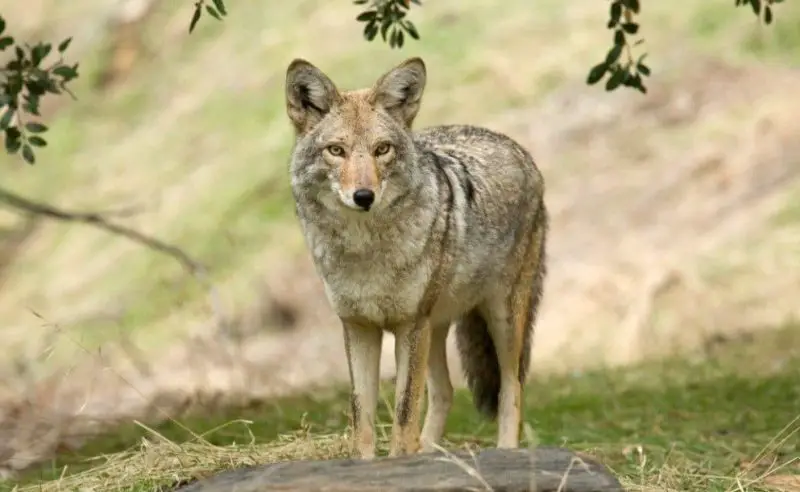
Across California, coyotes have become one of the most visible wild predators living alongside people. They trot through suburban streets at dawn, hunt along agricultural edges, and appear on trail cameras deep in the hills. As sightings increase, one question keeps resurfacing among residents, pet owners, and online forums: can coyotes in California interbreed with domestic dogs?
Stories circulate about unusually large coyotes, dogs with wild features, or aggressive animals that seem to behave unlike either species. Some people are convinced hybrids are roaming neighborhoods. Others dismiss the idea as pure myth. The truth sits between biology, behavior, and ecology, and it is more nuanced than a simple yes or no.
To understand whether coyotes and domestic dogs can interbreed in California, it is necessary to look closely at genetics, mating behavior, real documented cases, and why this question persists so strongly in this state.
Table of Contents
- 1 Coyotes Are Native and Widespread in California
- 2 Domestic Dogs Share Ancestry With Coyotes
- 3 Can Coyotes and Dogs Physically Interbreed?
- 4 Behavioral Differences Are the Biggest Barrier
- 5 Social Structure Reduces Hybridization
- 6 When Coydog Hybrids Are Most Likely to Occur
- 7 Why California Has So Many Hybrid Stories
- 8 Appearance Is a Poor Indicator of Hybridization
- 9 What Genetic Studies Show
- 10 Why Coywolves Get Confused With Coydogs
- 11 Are Coydogs More Aggressive?
- 12 Pet Safety and Hybrid Myths
- 13 Why Hybrids Would Struggle to Survive
- 14 Human Influence on Hybridization Risk
- 15 What California Wildlife Experts Say
- 16 Why the Question Persists
- 17 What Science Actually Tells Us
- 18 How to Respond to Unusual Sightings
- 19 Living Alongside Coyotes in California
- 20 FAQs About Coyotes and Dogs in California
- 21 Final Thoughts
Coyotes Are Native and Widespread in California
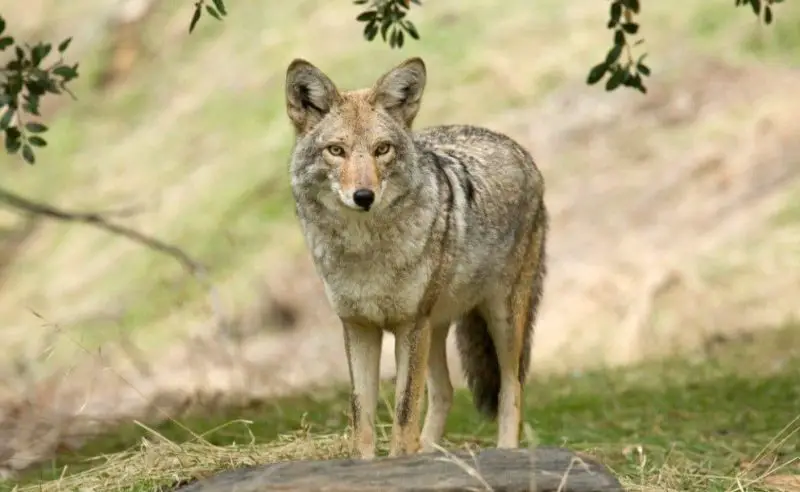
Coyotes are native to California and have occupied the region for thousands of years. Today, they are found statewide, from coastal scrub and Central Valley farmland to mountain forests and dense urban areas like Los Angeles and the Bay Area.
Their success comes from adaptability. Coyotes adjust their diet, activity patterns, and territory use depending on human presence. This flexibility places them in frequent proximity to domestic dogs, especially in suburban and rural communities.
Where overlap exists, questions about interbreeding naturally follow.
Domestic dogs and coyotes are closely related. Both belong to the genus Canis. Dogs are classified as Canis lupus familiaris, while coyotes are Canis latrans. They share a common ancestor and retain similar chromosome counts, which makes hybridization biologically possible.
This shared ancestry is the foundation of the hybrid debate. Unlike cats or other mammals that are separated by larger genetic gaps, dogs and coyotes are close enough that reproduction can occur under certain conditions.
However, biological possibility does not mean frequent or easy occurrence.
Can Coyotes and Dogs Physically Interbreed?
Yes, coyotes and domestic dogs can interbreed. The offspring are commonly referred to as coydogs. This is a biological fact supported by genetic evidence.
However, the ability to interbreed does not mean it happens often, especially in California. Several powerful barriers significantly reduce the likelihood of successful mating.
Understanding those barriers is critical to separating reality from exaggeration.
Behavioral Differences Are the Biggest Barrier
Coyotes and dogs behave very differently, even though they are genetically compatible.
Coyotes are highly seasonal breeders. In California, they typically mate between January and March. Females come into estrus only once per year, and the window is short.
Domestic dogs, especially free-ranging or feral dogs, can breed year-round. Their reproductive timing rarely aligns with coyotes.
Courtship behavior also differs. Coyotes form monogamous pairs and rely on specific vocalizations and behaviors during mating season. Dogs do not respond to these cues in the same way.
These behavioral mismatches drastically limit mating opportunities.
Social Structure Reduces Hybridization
Coyotes live in tight social units. Breeding pairs defend territories aggressively, especially during mating season. Intruding animals, including dogs, are often chased away or attacked rather than tolerated.
In California, most coyotes involved in urban environments still maintain strong territorial instincts. This reduces prolonged contact with domestic dogs, even in shared spaces.
Hybridization is more likely in environments where coyotes lack access to mates of their own species, which is rare in California due to healthy populations.
When Coydog Hybrids Are Most Likely to Occur
Documented cases of coydog hybrids usually occur under specific conditions.
Hybridization is more likely in rural or remote areas where coyote populations are low and dogs roam freely. It may also occur when human intervention is involved, either intentionally or unintentionally.
In California, these conditions are uncommon. Coyotes are abundant and rarely lack access to other coyotes for breeding.
As a result, confirmed coydogs are extremely rare in the state.
Why California Has So Many Hybrid Stories
California’s geography and population density amplify wildlife stories.
Millions of people live near coyote habitat. Trail cameras, doorbell cameras, and smartphones capture countless images of animals moving through neighborhoods. Lighting, camera angles, and distance often distort size and features.
A large coyote can look dog-like. A large dog can look wild. When people expect hybrids, they interpret ambiguous images accordingly.
Social media accelerates this process, turning isolated sightings into viral claims.
Appearance Is a Poor Indicator of Hybridization
Many animals labeled as coydogs are not hybrids at all.
Coyotes naturally vary in size and coat color across California. Diet, environment, and genetics influence appearance. Some coyotes have thicker fur, broader heads, or unusual coloration that resembles dogs.
Conversely, certain dog breeds, especially German shepherd mixes, huskies, and other working breeds, can look remarkably coyote-like.
Without genetic testing, appearance alone cannot confirm hybrid status.
What Genetic Studies Show
Genetic studies across North America confirm that dog–coyote hybridization occurs far less frequently than many people believe.
Most genetic mixing involving coyotes occurs with wolves, not dogs. This is especially true in eastern North America, where coywolves are well documented.
In California, genetic testing of coyotes has shown overwhelmingly pure coyote DNA, with little to no evidence of dog ancestry.
Wildlife agencies and researchers consistently report that coydogs are not a significant or stable population.
Why Coywolves Get Confused With Coydogs
Many people confuse coywolves with coydogs.
Coywolves are hybrids of coyotes and wolves, primarily found in the northeastern United States. They are larger and more wolf-like than western coyotes.
California does not have a resident wolf population large enough to produce widespread hybridization, making coywolves irrelevant to most sightings in the state.
This confusion further muddies public understanding.
Are Coydogs More Aggressive?
There is a widespread belief that hybrids are more aggressive or unpredictable.
There is no scientific evidence supporting this claim. Behavior in canids is shaped primarily by environment, learning, and socialization, not hybrid status alone.
Coyotes involved in conflicts with pets or people are almost always pure coyotes responding to food availability, territory defense, or habituation to humans.
Blaming hybrids distracts from real behavioral causes.
Pet Safety and Hybrid Myths
Fear of coydog hybrids often centers on pet safety.
Coyotes may prey on small pets regardless of hybridization. This behavior is part of normal coyote ecology and does not require dog ancestry.
In California, most pet conflicts occur due to unsecured pets, feeding wildlife, or allowing small animals outdoors unattended.
Understanding coyote behavior reduces risk far more effectively than worrying about hybrids.
Why Hybrids Would Struggle to Survive
Even if a coydog were born in California, survival would be difficult.
Coyotes rely on highly specialized hunting strategies, social structures, and seasonal behaviors. Domestic dogs lack many of these instincts.
Hybrids may struggle to integrate into coyote packs or survive independently. This limits the likelihood of hybrids persisting or reproducing further.
Nature strongly selects against unstable combinations.
Human Influence on Hybridization Risk
Human behavior plays a role in rare hybridization cases.
Allowing dogs to roam freely in rural areas increases contact opportunities. Feeding wildlife reduces natural avoidance. Abandoning dogs near wild areas increases risk.
In California, strict leash laws and urban density reduce these risks in many regions.
Where responsible pet ownership is practiced, hybridization becomes even less likely.
What California Wildlife Experts Say
California wildlife biologists consistently state that coydogs are biologically possible but extremely rare.
The California Department of Fish and Wildlife emphasizes that most animals identified as hybrids are misidentified coyotes or dogs.
Experts stress that focusing on coexistence and behavior is more productive than speculating about hybrids.
Why the Question Persists
The idea of hybrids is compelling. It feels mysterious and dangerous. It offers a simple explanation for unfamiliar animals.
In a state as large and diverse as California, rare events feel common because stories travel fast.
Uncertainty feeds curiosity, and curiosity keeps the myth alive.
What Science Actually Tells Us
Science supports a clear conclusion.
Coyotes and dogs can interbreed in theory. In practice, it happens rarely. In California, there is no evidence of widespread or stable coydog populations.
Most sightings involve pure coyotes behaving normally in changing environments.
Understanding this helps reduce fear and misinformation.
How to Respond to Unusual Sightings
When encountering an unusual animal, report it without assuming hybrid status.
Wildlife agencies rely on accurate data rather than speculation. Photographs, location, and behavior matter more than labels.
Avoid approaching or attempting to identify animals based on appearance alone.
Living Alongside Coyotes in California
Coyotes are a permanent part of California’s ecosystem.
Coexistence strategies include securing trash, supervising pets, removing attractants, and maintaining natural fear through hazing when appropriate.
These steps address real risks rather than imagined ones.
FAQs About Coyotes and Dogs in California
Can coyotes and dogs breed
Yes, they can, but it is extremely rare in California.
Are coydogs common in California
No. There is no evidence of stable coydog populations in the state.
Do coydogs look different
Appearance varies and cannot reliably indicate hybrid status.
Are coydogs more dangerous
No scientific evidence supports increased aggression in hybrids.
Why do people think hybrids exist
Misidentification, social media, and fear drive the belief.
Should unusual animals be reported
Yes. Reporting sightings helps wildlife monitoring efforts.
Do coyotes pose a threat to pets
They can pose a risk to small pets, regardless of hybrid status.
Can DNA testing confirm hybrids
Yes. Genetic testing is the only reliable method.
Final Thoughts
The question of whether coyotes in California can interbreed with domestic dogs has a clear scientific answer. It is biologically possible but extremely uncommon.
California’s coyotes are thriving as coyotes, not hybrids. Their behavior, appearance, and presence near people are the result of adaptation, not interbreeding.
Understanding the facts replaces fear with clarity. In a state where wildlife and people live side by side, clarity matters far more than myth.